


In April, Tyler Johnson published a moving parable called “The Keepers of the Well.” My response to his parable comes in the form of another, as we consider together what it means to seek living waters.
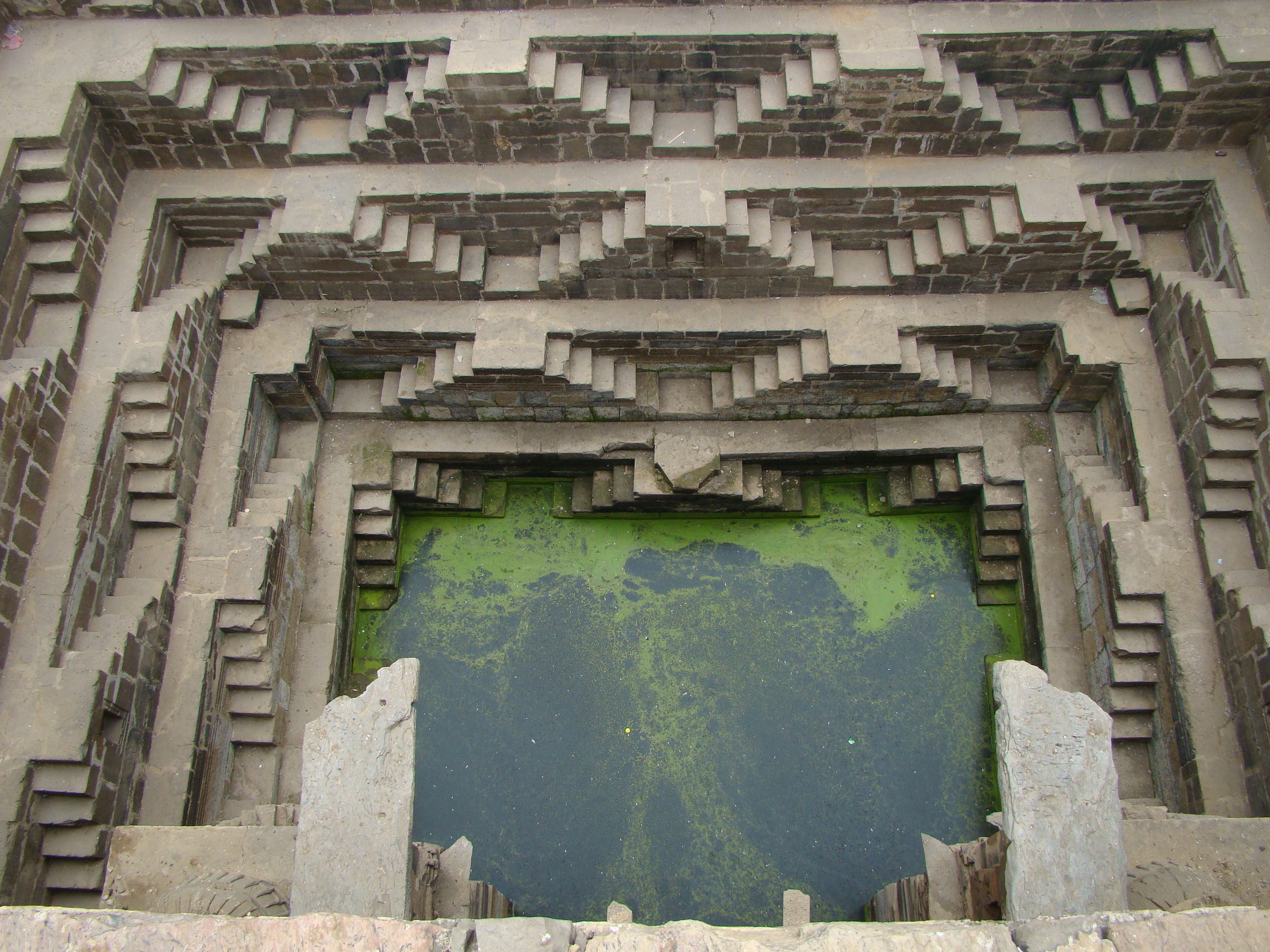
Once there were three sisters, who made their home by an old stepwell. The well was not so ancient or grand or famed as others in the land. It was simple and small, but some said that not so long ago, an angel had stirred the waters there. They said the well’s waters were blessed to bring light to the mind and strength to the bones.
And when they were young, the sisters believed it. They felt strength and intelligence filling them as they drank daily. They wanted to make their homes there forever, building their lives by the living waters.
But in process of time, a drought fell over the land. The soil soured. The crops yellowed. And the waters in the stepwell began to fall low. Many days the stepwell’s waters were clouded with sands blown in from a withering world. The sisters had to strain them into jars and drinking skins before the waters could be used. The more difficult that separation became, the more they began to think of their stepwell as a chore.
As the drought dragged on, each of the sisters quietly considered moving away. They would always carry a part of those waters within them, deep in their bones, but they had grown weary of working with the well. They began dreaming of better lands. Perhaps they could take a little of the stepwell’s water with them and venture out into the world.
The eldest sister married a farmer from a faraway town. She fetched her water from that place’s old and sturdy stepwell. Every well has its own troubles—the waters of that one often tasted chalky from accumulated minerals—but she made it through well enough. She only occasionally thought of the distinctive taste of the angel-touched waters of her youth and the tedium of trying to separate them from contaminants as she grew. She had brought a jar of those waters with her, and she would sip from them sometimes. But they felt so much like a part of herself already that she felt little need to return to the stepwell.
Around the same time, the second sister ventured further and further into the desert country around the stepwell. She came across the great paths of trade and became a traveling merchant. Her tiny stepwell was off the main routes of exchange, and soon she stopped going back. She was not sad to leave the well, but she took a few of the well-filled skins with her. And sometimes, in a gathering of friends, she would mix a few drops of those angel-touched waters into their evening cups of wine.
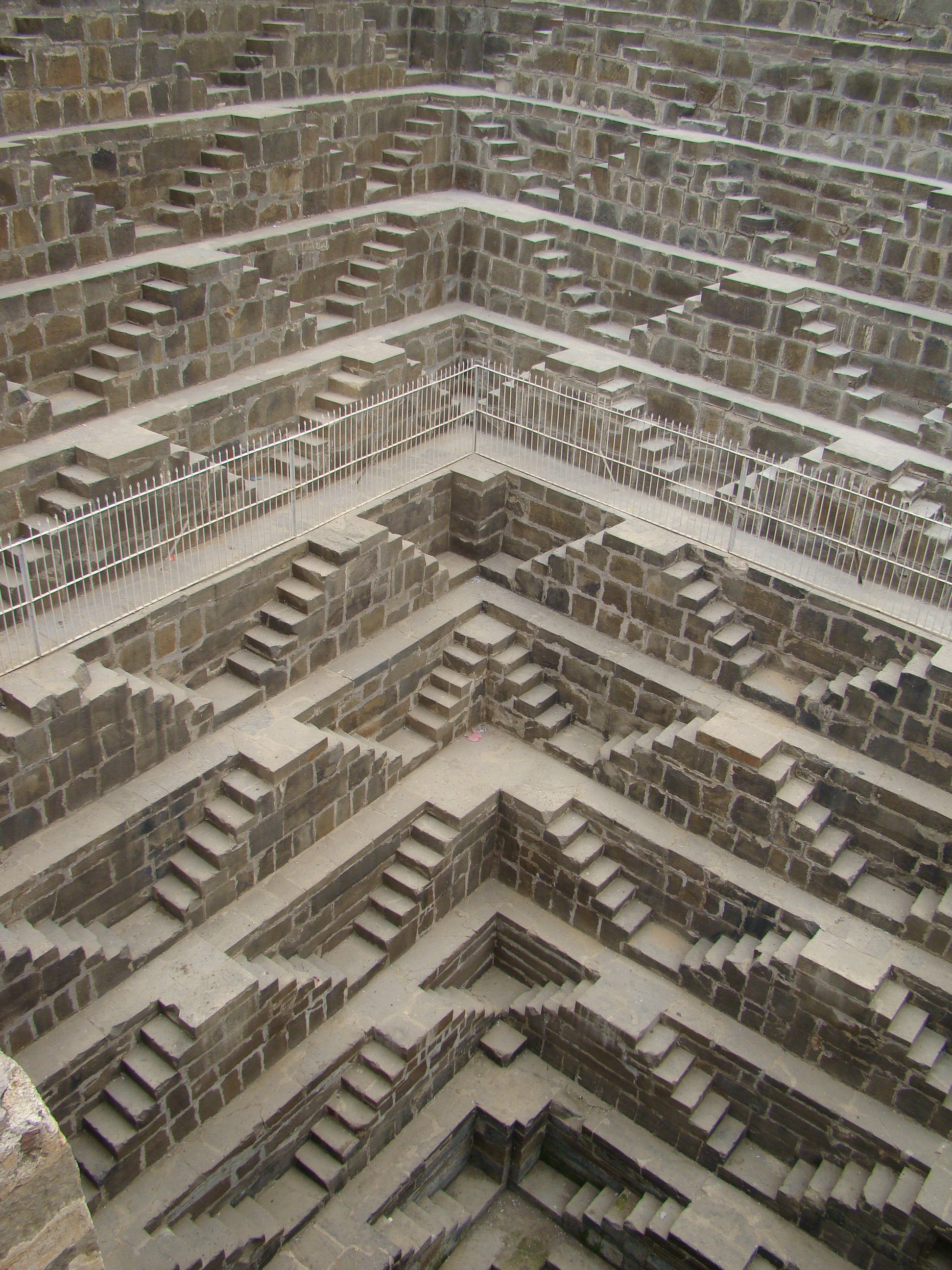
The youngest sister moved away from the well when she took a lover. But he was too much a man of the desert, only part substance and the rest mirage. When she became pregnant, he disappeared. She was left to raise her child alone.
Like her sisters, she had brought a vessel of their home waters with her. But the sips of water that nourish memory are not enough to slake the thirst of a child. She could have gone to another well. She could have had a different drink every day on the paths of trade. She could have walked out into the desert, following another mirage. But she remembered how the little stepwell’s waters had once strengthened her bones and brightened her eyes.
So she made her way back to the stepwell. The waters were still low, still clouded with silt carried in by the wind. But she made her way to the bottom. And she started to dig. It was hard work, harder than the straining had ever been—but the deeper she dug, the more water surrounded her. In their abundance, the waters became clearer on their own. Her daughter drank them up. And in the deepening little stepwell, the third sister found herself washed, nourished, reborn.
James Goldberg is a poet, novelist, and champion of Mormon literature. His works include The Five Books of Jesus and A Book of Lamentations.
Photos of Chand Baori, a stepwell in the village of Abhaneri in the Indian state of Rajasthan. Constructed around the 8th–9th century, its thirteen stories are made of 3,500 steps in an upside-down pyramid style.
The Keepers of the Well

Author’s note: Over the last years, the following story has distilled into my heart. I have worked to hone it, including with the help of James Goldberg. I present it here, without further comment, as a parable.


I loved this.
Good. Thanks.