


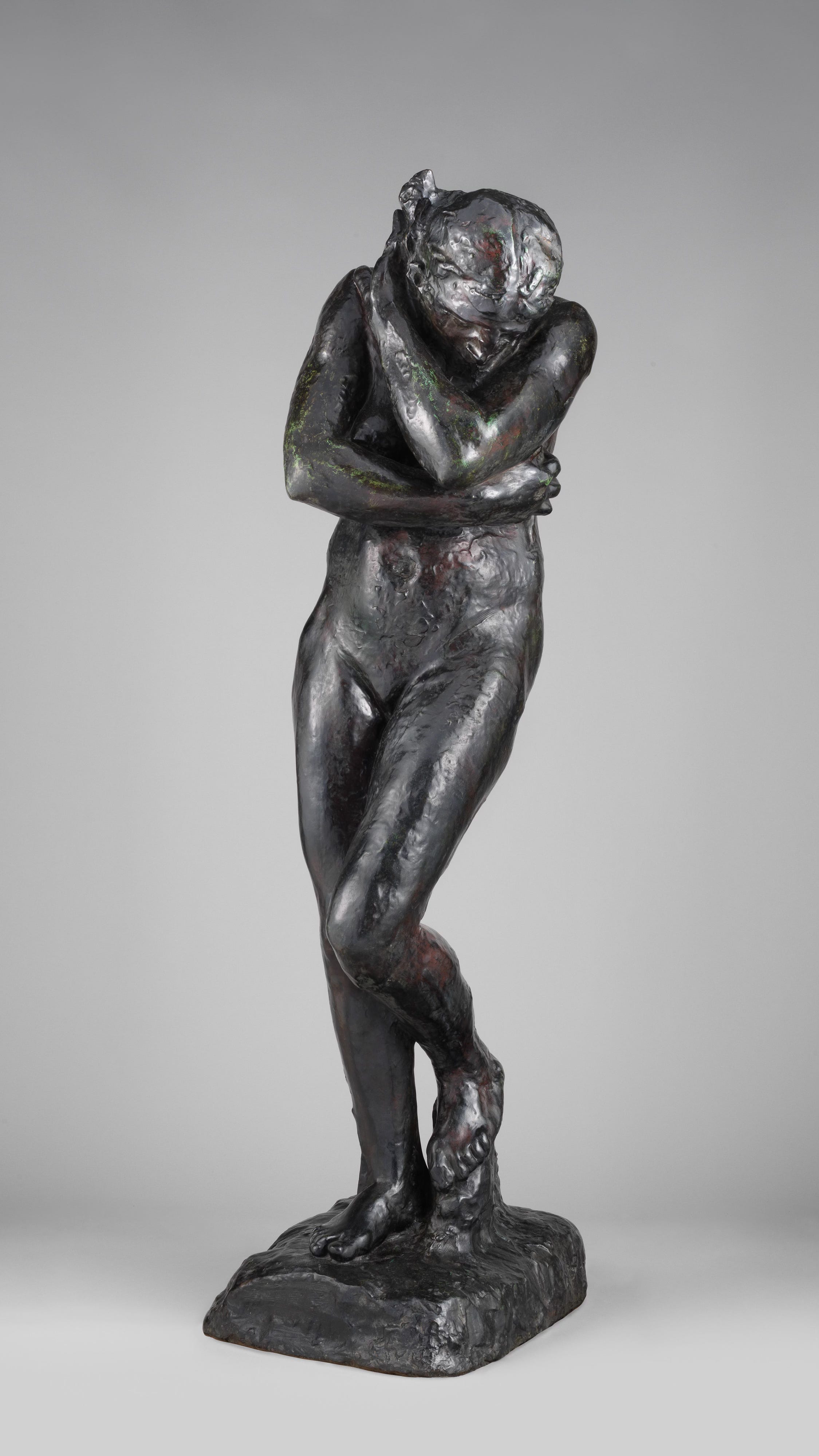
Who told thee that thou wast naked? (Genesis 3:11; see also Moses 4:17)
Have you ever wondered why Adam and Eve hid when they realized that God was about to see them naked? I have. Because this wasn’t a new situation. To that point, Adam and Eve had only ever been naked before God. God knew their nakedness—he created their nakedness! Whether speaking to them face to face or just aware of them as their all-knowing Creator, God surely was not bothered by their nakedness. What changed when Eve, then Adam, chose to partake of the forbidden fruit?
The difference was that they became aware of their nakedness. I imagine that this was not the first time they had shared a walk with God in the cool evening breeze. But this time, for the first time, when they heard that familiar voice in the garden, they “hid themselves from the presence of the Lord God amongst the trees of the garden” (Genesis 3:8; see also Moses 4:14).
In Isaiah 50, God wonders where we have gone. “When I came, was there no man? When I called, was there none to answer?” (Isaiah 50:2). What causes us to hide when we hear God’s voice? What causes us to believe that we have been “put away” by God; that we have no option but to sell ourselves “for [our] iniquities?” (Isaiah 50:1).
[W]e hid as it were our faces from him . . . (Isaiah 53:3)
As I read Isaiah 50–55 this week, I was struck that these chapters can function as an answer to the experience of shame—an experience that too often causes us to “[hide] as it were our faces from” our God (Isaiah 53:3).
Like in the Garden of Eden, our “nakedness”—the things which cause us to feel shame—do not actually require us to withdraw from God. God has always stood aware of our shortcomings and our needs. He knew them long before we came to recognize them. But that experience of recognizing our nakedness can be one of intense vulnerability and shame. Many of us respond by separating ourselves from God. We “sell ourselves” to cover the debts we take ourselves to have accrued (Isaiah 50:1). We feel darkness surrounding us, and instead of asking God for light, we burn from the inside, trying to light our way on our own, until we inevitably burn ourselves out and “lie down in sorrow” (Isaiah 50:11).
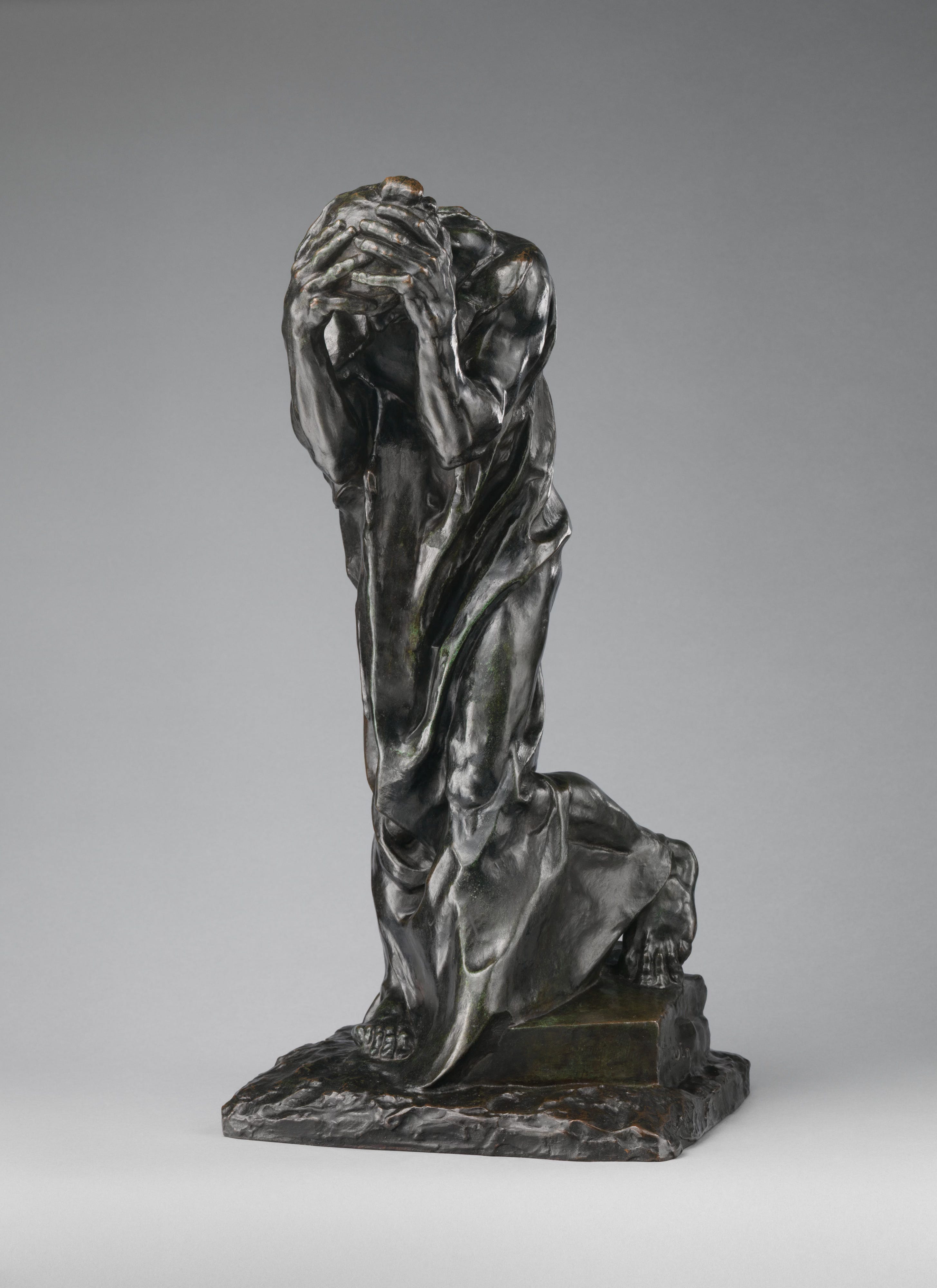
God watches us withdraw from him in sorrow of his own. Isaiah presents his anguished call to us, asking why we don’t believe he can help us: “Is my hand shortened at all, that it cannot redeem? or have I no power to deliver? behold, at my rebuke I dry up the sea, I make the rivers a wilderness . . .” (Isaiah 50:2). He begs us to “[l]ook unto Abraham your father, and unto Sarah that bare you” (Isaiah 51:2). We belong to the human family that he seeks to tie together through covenant; without us his family is incomplete and there is a gaping hole in “the rock whence [we] are hewn” (Isaiah 51:1).
Nevertheless, we often are utterly convinced that our shortcomings mean we are condemned to “divorcement” from God (Isaiah 50:1). But God wonders, who do we take to be calling for this condemnation (Isaiah 50:9)? God calls to us not to condemn us, but to offer deliverance. And as for those who would condemn us, he promises that when we heed his voice, “[n]o weapon that is formed against thee shall prosper; and every tongue that shall rise against thee in judgment thou shalt condemn” (Isaiah 54:17). The Lord seeks to give us relief from the voices that would keep us feeling the need to hide our faces. I can’t help but hear in this verse the Savior’s exchange with the woman taken in adultery:
“Woman, where are those thine accusers? hath no man condemned thee?”
“No man, Lord.”
“Neither do I condemn thee: go, and sin no more” (John 8:10–11).
God does not want us to cower in condemnation. He wants to redeem us.
But what about the moments when I don’t hear God’s call? Or when I feel his disappointment?
In a little wrath I hid my face from thee for a moment; but with everlasting kindness will I have mercy on thee. (Isaiah 54:8)
Why does the Lord sometimes hide his face from us, even for “a small moment”? (Isaiah 54:7). As a parent, I know that how I react to my children matters a lot. Even when they are actively resisting what I am asking of them, I know they are tracking how I respond. My reactions to them shape their world—their sense of self, of worth, of belonging. With such high stakes, I sometimes worry about doing anything that risks alienating them from my approval.
But I don’t only want my children to feel loved. I also want them to learn how to be active participants in loving relationships, where the care flows both ways. And that means sometimes letting them see that I am hurt. I respect their growing agency when I allow them to see that their actions impact me—for a moment, letting them understand that they have the power to put distance between us.
But the moment I see that my child has understood this, I usually have an overwhelming need to reassure them. To connect more deeply, to close any space that they feel between us. When I read Isaiah 54, I see our God feels that way too. He promises that his “everlasting kindness” will never “depart from [me],” ensuring an overflowing of mercy and a perfect commitment to “the covenant of peace” he offers me (Isaiah 54:8, 10).
I think of the way my little girl will fall into my arms when she knows she did something wrong but sees my outstretched hands and knows that I want to hold her in that hurt, not condemn her for it.
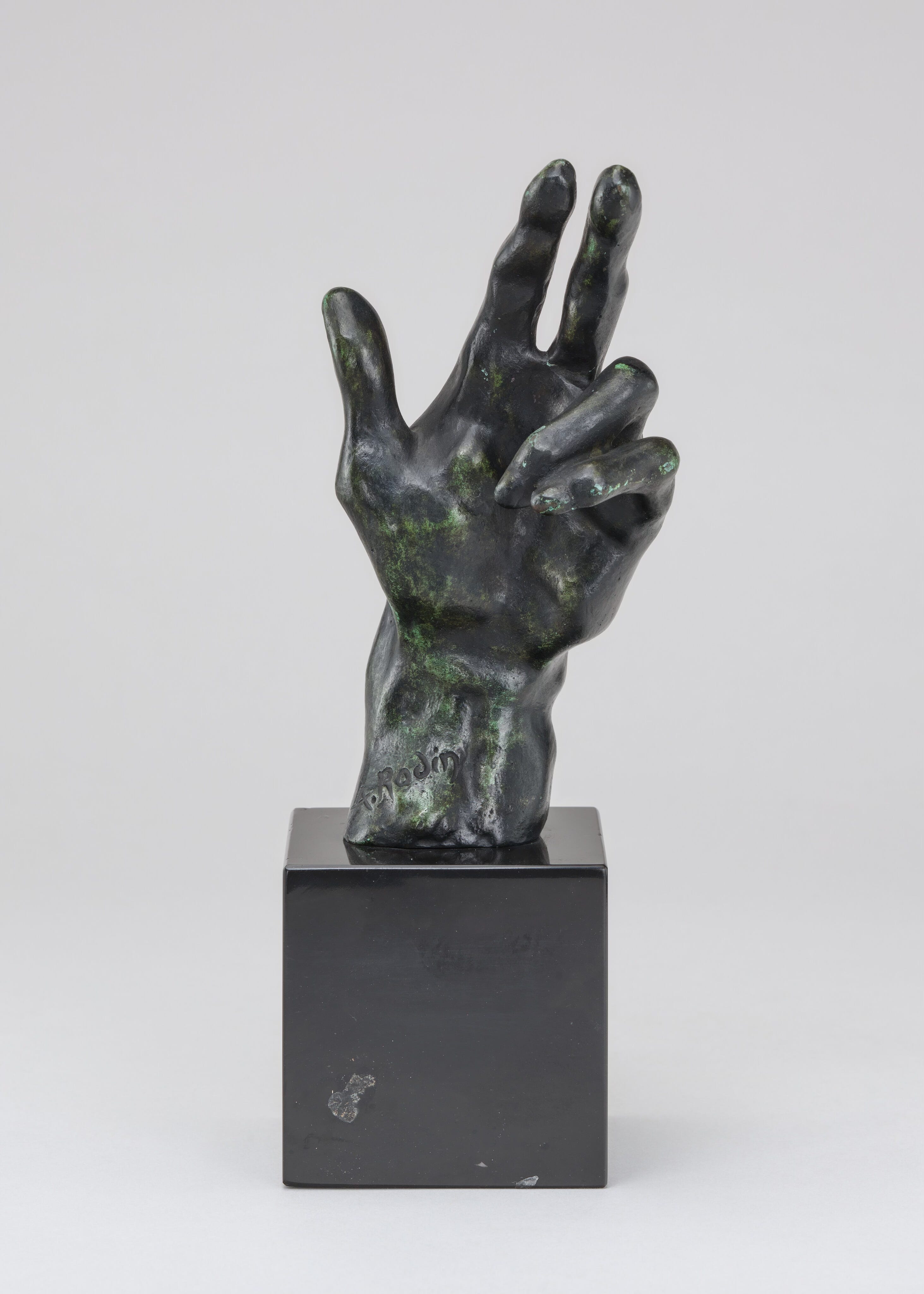
He is despised and rejected of men; a man of sorrows, and acquainted with grief: and we hid as it were our faces from him . . . (Isaiah 53:3)
What allows us to accept such an expression of care when we feel ourselves drowning in shame? There is incredible power in knowing who Christ is. The sacred heart of this sequence of scripture is surely the description of Christ in Isaiah 53.
Abinadi quoted this chapter in its entirety when he stood bound before King Noah and his priests. Among those priests is Alma, who “knew concerning the iniquity which Abinadi had testified against them” (Mosiah 17:2). I imagine that in that moment, Alma had cause to feel great shame. Abinadi had spoken plainly and publicly of the priests’ failure to teach the people what they knew was in the scriptures, instead indulging in destructive vices that then spread through their people (Mosiah 12:29). When Alma recognized the truth of Abinadi’s words, he surely felt his own “nakedness.” How did he stop from hiding his face, instead finding the strength to stand up to King Noah, and ultimately record and teach Abinadi’s words?
I suspect that the time Abinadi took to quote all of Isaiah 53 had something to do with it. Alma was reminded that his God understands the experience of shame: to be despised and rejected, to have others turn their faces from you in disgust and judgment, to be oppressed and afflicted (Isaiah 53:3, 7). He also was reminded of the willingness of the Savior to undergo such suffering out of a love for us, because “with his stripes we are healed” (Isaiah 53:5).
For he shall grow up before him as a tender plant, and as a root out of a dry ground . . . (Isaiah 53:2)
Having recently spent time with my family trying to make things grow during the scorching Utah summer, the image of Christ as a tender plant with a root in dry ground caught my attention. We removed the lawn in the yard beside our house to plant things we could harvest, but we quickly realized that only a few inches down the dirt turned into rocky, nutrient-poor ground fill. If our garden dreams were going to come true, we needed to learn how to help tender plants grow in dry ground.
My husband suggested planting comfrey to enrich the soil. Comfrey has a long tap root that reaches deep into the earth as it grows. This makes the mature plant drought-tolerant. Comfrey is able to seek out the water and nutrients that plants with shallow roots cannot access. It then grows robust, abundant green leaves that can be cut down and left on the ground, providing a nutrient-rich mulch. Over time, the quality of the dry soil improves, and more plants are able to grow.
Perhaps Christ, the tender plant in dry ground, is able to work something like the comfrey. Seeking out the hidden goods around him that others struggle to access. Willing to give of the richness he produces to feed the ground in which we strive to grow. He knows what it is like to feel the sorrow of dry ground, but promises that if we stay near him, we will receive relief and nourishment.
[P]ut on thy beautiful garments, O Jerusalem . . . (Isaiah 52:1)
The experience of shame is so well captured in the sudden realization of nakedness; is it any surprise that Isaiah presents God’s ability to soothe this vulnerability as the offer to clothe us in beautiful garments? Or to build us of “stones with fair colours,” foundations laid with sapphires, “windows of agates,” and “gates of carbuncles” (Isaiah 54:11–12)? We are offered beautiful comfort, homes of safety from which we are encouraged to “[e]nlarge the place of thy tent . . . spare not, lengthen thy cords, and strengthen thy stakes” (Isaiah 54:2). Isaiah’s message of comfort to the ashamed is that if we answer the call of our Savior, not only will we “forget the shame of [our] youth” (Isaiah 54:4), but we will find ourselves able to open up our homes and hearts to other members of God’s family.
Isaiah teaches that the isolation of shame and loss can be replaced with the security of knowing a God who works tirelessly to “[gather] the outcasts of Israel” (Isaiah 56:8). He begs us to “[take] hold of my covenant” (Isaiah 56:6), so that he may “revive the heart of the contrite ones” (Isaiah 57:15). The language and emotion that runs through these sections of Isaiah’s poetry is rich—it’s no wonder that so much of this material is quoted in other books of scripture.
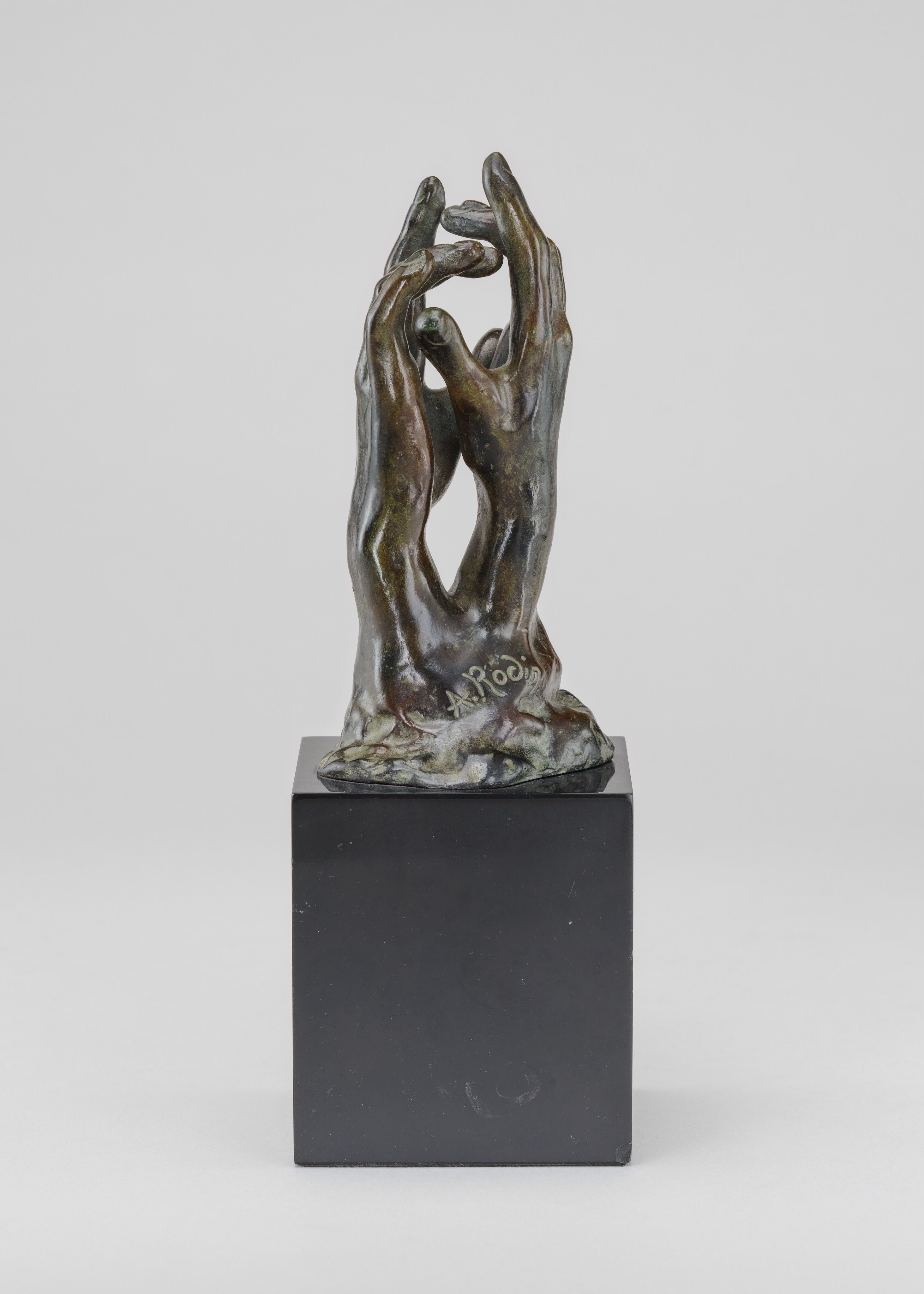
He is near that justifieth me . . . (Isaiah 50:8)
If God wants us to know anything, it is that we don’t need to hide from his voice. He has provided a way for us to be reconciled to him: a Savior, who knows how we feel and how to succor us in our pain. I love the image of confidence Isaiah provides: I will “set my face like flint, and know that I shall not be ashamed” (Isaiah 50:7).
That is the confidence that can come when we know that “[h]e is near that justifieth me” (Isaiah 50:8). There is no distance he cannot overcome, no debt we accrue that he cannot resolve for us. He wants nothing more than for us to reach out in our moments of nakedness, so that his outstretched arm can offer comfort and safety. And once we know his care, he asks that we join him in reaching out to those who still feel the need to hide.
Katie Paxman is an associate professor of philosophy at Brigham Young University and a Visiting Campus Fellow at the Neal A. Maxwell Institute for Religious Scholarship. A Canadian philosopher specializing in early modern philosophy, she focuses particularly on David Hume’s theory of the passions, moral psychology, philosophy of mind, and philosophy of emotion. She is a founding member of the Latter-day Saint Philosophy Project and has published in Hume Studies, The Journal of Scottish Philosophy, Res Philosophica, and several anthologies of Hume scholarship.
Art by Auguste Rodin (1840–1917).
Thank you for reading Wayfare Theology. If you no longer wish to receive these items in your inbox, click manage subscription under your profile and turn off notifications for this section.
The Old Testament Reflections series is published in collaboration with the Maxwell Institute. Click the links below to read more!


