


This is a story about another daughter in the world of Tyler Johnson’s parable, The Keepers of the Well.
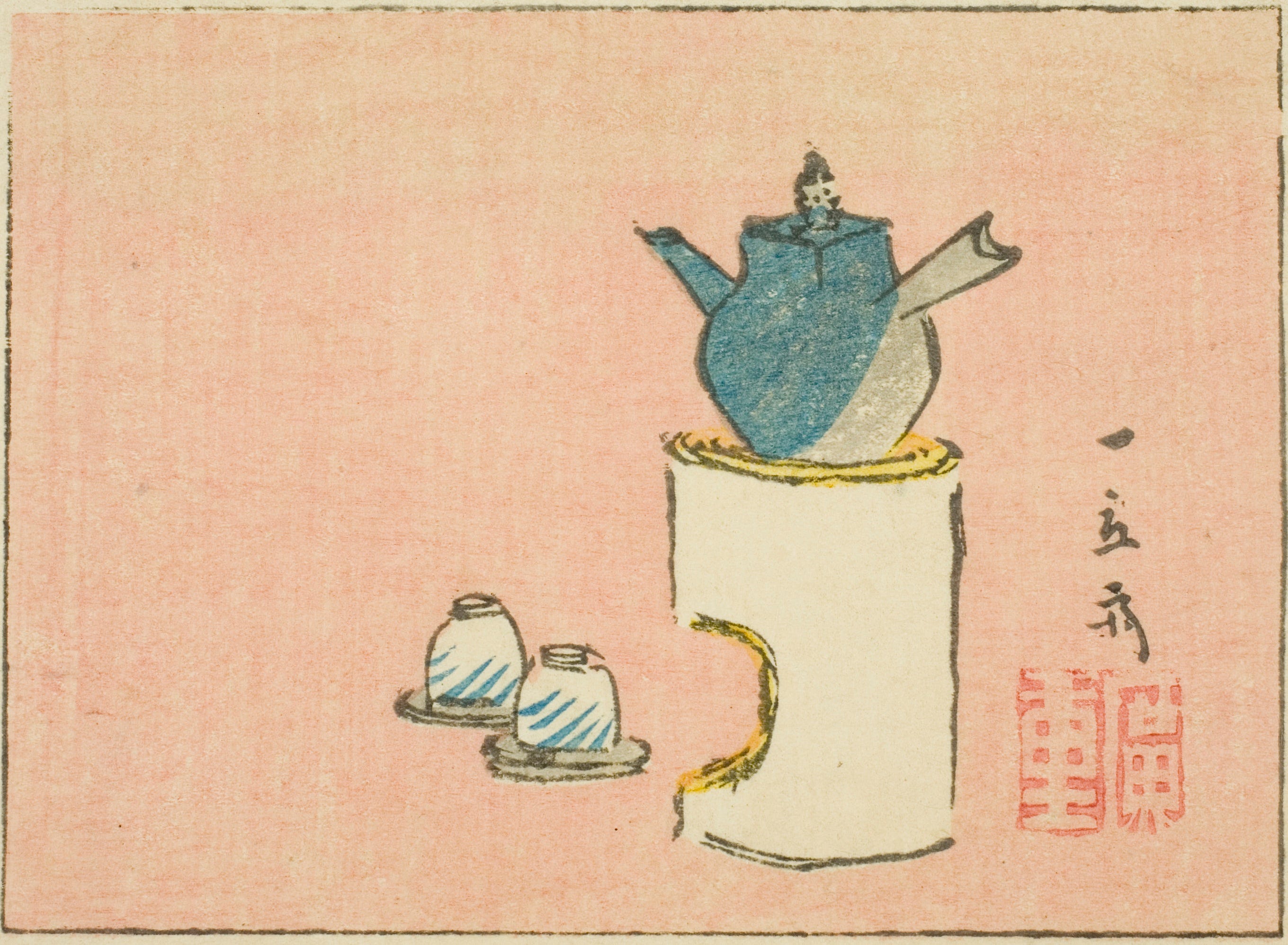
There once was a desert as wide as the world, its dusty expanse speckled with cities. In the center of one such city was a well, tended to by a family of well-keepers. The well-keepers had many children over many generations. Some of them turned away from the family task, for reasons selfish or sincere. Others, for their own reasons, stayed to clean the well, scrub the surrounding stones, and distribute water across the city.
One daughter, like the generations before her, was raised to faithfully care for the well. She took pride in polishing the vessels, in knowing the stories of the stones, in catching debris before it could ripple the clear water. She loved being a well-keeper.
But, over the years, uncertainty trickled into her devotion. When she drank from the well, the water was not cool on her tongue; it did not fill her with sweetness. It was as though the nectar that poured effortlessly down others’ throats evaporated near hers. When others drank, they seemed to have an emptiness inside them soothed and softened. This well-keepers’ daughter did not feel soothed, but that wasn’t what troubled her most. She did not even feel empty. She could keep working when others panted and paused for a drink; she enjoyed her meals without anything to wash them down. Had something changed? Or had it always been this way? Had she only thought this water was life-giving because everyone told her so?
The well-keepers’ daughter was lonely and confused. She knew that well-keepers had their disagreements. She had often listened to her family fight about where the water came from and how it should be distributed. But, as she watched them spend their days ladling crystal water into many-colored cups, she saw how the water sustained them. They did the heavy, damp work because they saw a city full of thirst that their efforts could quench. They did it because they came from generations of well-keepers, and this was what well-keepers did. As she passed out cups with her family, the well-keepers’ daughter scrutinized those who drank. She tried to determine if there was power in the water, or if their confidence created its power, or if they were just tasting air like her and smiling anyway.
Eventually, she found herself holding two truths: the truth of others’ faces when they held a cup to their lips—joyful, peaceful, restored, made whole—and the truth of her own body. She was not thirsty, nor was she quenched. When she listened in absolute stillness and aloneness, she found that her body did not seem to have a place for water. It was as though when others drank, the water poured like a key into a lock, opening a door with light on the other side. In her, the water sloshed around uselessly, searching for a keyhole in an open field.
The stories she knew, however, did not make space for both truths. Some who had left her family’s well told her that it was poisoned; others talked of distant pools with sweeter water; still others claimed that water was only ever a desert mirage. In the well-keepers’ stories, those who abandoned the well spent the rest of their lives with a gnawing thirst that left them drained and parched. They might lie to themselves about it, or distract themselves with the city’s pleasures and sparkles, but they could never be truly refreshed without the well.
When she tried to tell her own story, the other well-keepers did not understand. With eyes full of concern, they reminded her that everything grew from the well: they and all their ancestors, the city and all its flowers. Was she just being foolish, mistaking water’s lack of flavor for worthlessness? Was her palate contaminated by city food? Did her cup have a crack (jostled accidentally? smashed deliberately?) that let its contents drip out before she could drink? She watched their hands tighten around their own cups as they talked to her, as though cracks were contagious.
Time passed, and the well-keepers’ daughter remained a well-keepers’ daughter. Some evenings, she stayed in the city, relishing hours when her questions receded from view. Other evenings, she polished the vessels with her family, everyone toasting from the well when the day’s work was done. The smiles in that room were all genuine: theirs because they loved the well, and hers because she loved them.
And some nights, she tiptoed from her bed to the edge of the well. She would lie on her stomach with her chin on her hands, her elbows supported by the smooth stones whose stories she knew. She would watch her reflection moving in the clear water, wondering what it would feel like to be full, wondering what it would feel like to thirst.
Eliza Wells is an assistant professor of philosophy at the University of Manitoba. Her research focuses on the normative dimensions of social roles, including gender, citizenship, and professions. She completed her PhD in philosophy at MIT and postdoctoral work at Harvard. She also works on feminism in the Mormon tradition and has an MA in religious studies from Stanford. Her analysis of gender in LDS general conference rhetoric appeared in Dialogue.
Art by Utagawa Hiroshige (1797–1858).
To subscribe to Tyler Johnson’s column, first subscribe to Wayfare, then click here to manage your subscription and turn on notifications for On the Road to Jericho.

This is beautiful in many ways. I have thought a lot about DC 46:13, "To some it is given by the Holy Ghost to know that Jesus Christ is the Son of God...." That sounds like the testimony we are all taught to seek after. But then there is verse 14, "To others it is given to believe on their words." I don't feel like we often think about that second gift or the fact that to some people, it is the gift they are given, not to believe in Christ, but to believe in those who do. It is an idea I don't hear discussed very often.