


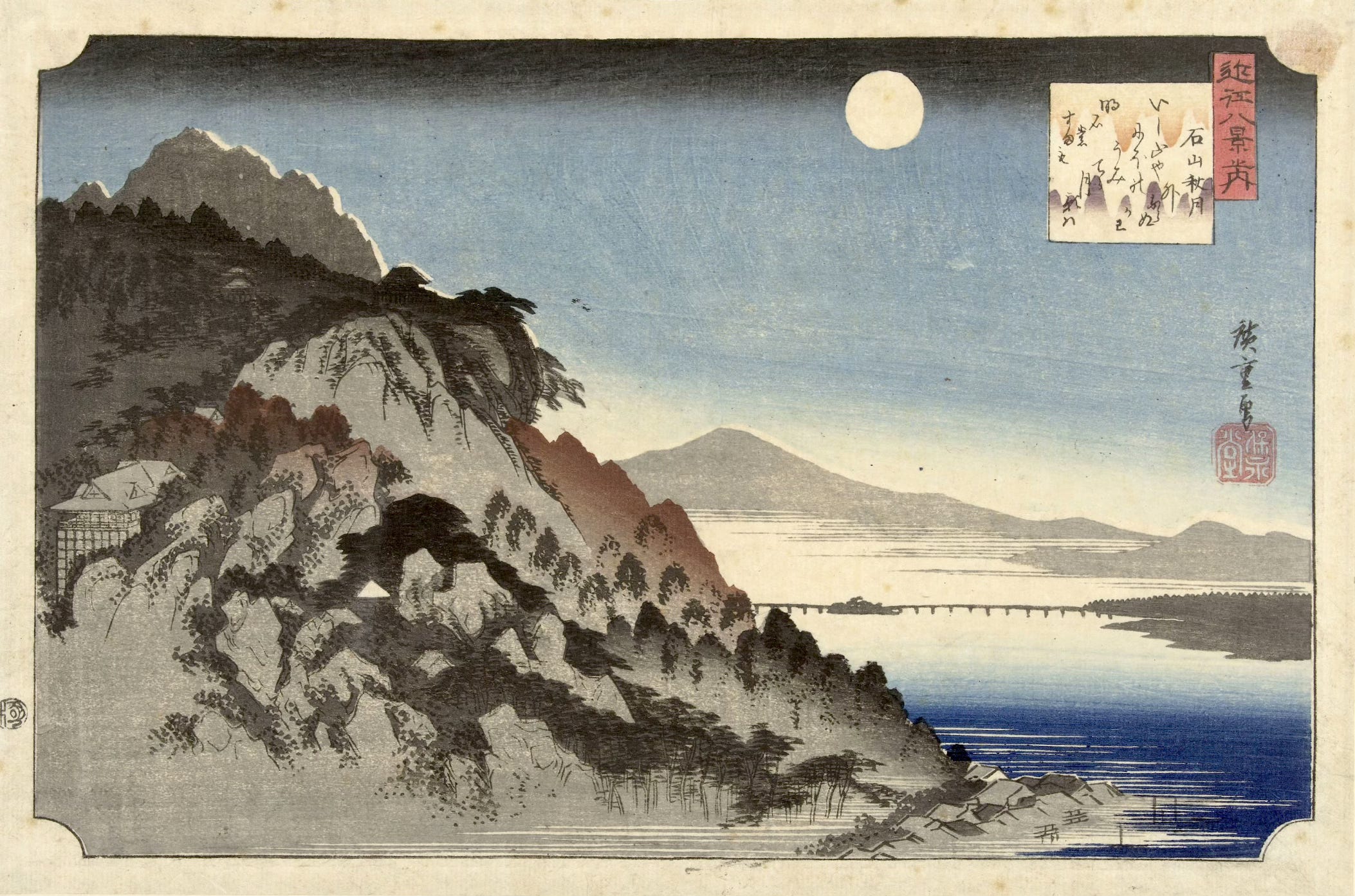
There’s an oft-invoked Zen Buddhist parable about a finger pointing at the moon. You’re supposed to follow the finger and fix your attention on the moon. If you instead focus on the finger, you’re missing the point. Or, maybe, caring too much about the point.
When it comes to religious texts, we talk about the literal meaning and the deeper symbolic meaning. But sometimes we make the mistake of assuming that the deeper meaning is just a “truer” interpretation of what the original author really meant.
You can read the Bible, for instance, literally. In doing so, you may accept it at face value and say that it aligns with your specific religious beliefs, or you can have the exact opposite reaction, launching into a tirade about historical and scientific inaccuracies. In both cases, you’re too focused on the finger to see the moon.
Taken one step further, you might understand that many of the stories in the Bible can be read symbolically or metaphorically. But even then, you’re still focused on the finger—you’re just looking at the finger from a different angle or a closer perspective.
The point of the Zen parable (or at least one point of the Zen parable) is that a religious text isn’t all about figuring out what the author meant, a task that may very well be impossible anyway. That’s not what the “deeper meaning” of a text is. The deeper meaning is the part that you co-create with the words on the page.
I would go so far as to add that the most important part of religion is not about the meaning of the words you read on the page or the ones you hear in the pews, or the art, or the music, or the rituals, or anything else. It’s about what those things are trying to point you toward. It lies beyond reason and cleverness and even language itself—beyond all the tools of your surface-level consciousness. It’s the thing that stands a chance of fundamentally changing you in some genuine, enduring way.

