


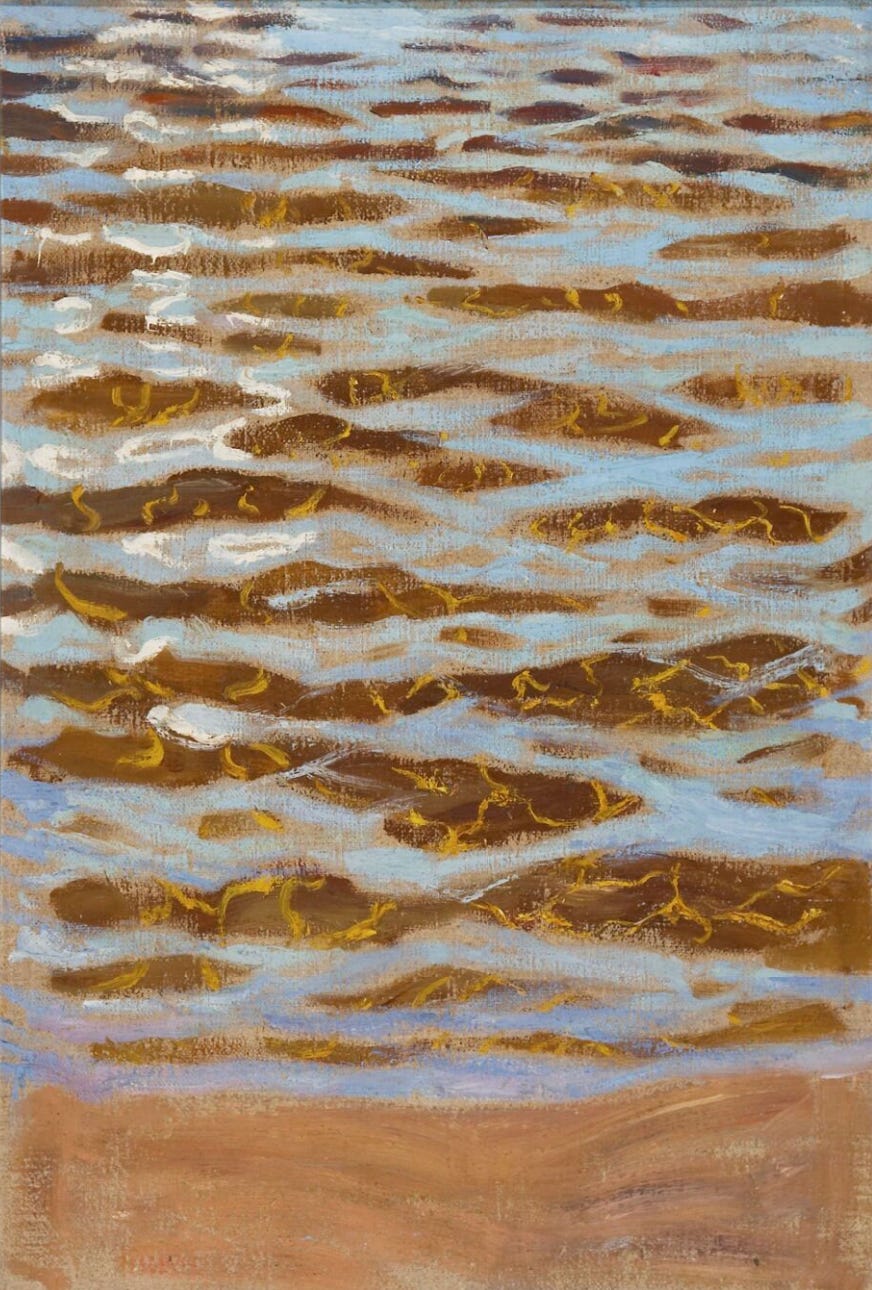
Former president of the American Academy of Religion, Dr. Mayra Rivera, stated in her presidential address that in recent years record-breaking climate disasters have become so commonplace the meaning of “unprecedented” has eroded. As she listed diverse catastrophes, I thought about one ecological crisis close to my heart: the shrinking of the Great Salt Lake. This disaster is pertinent to me and my faith community whose church headquarters lie in Salt Lake City. When I visited the lake last December, I was deeply perturbed both by the sixty degree weather and the bird carcasses strewn every few feet across her shores on Antelope Island.
In talking about cataclysm and upheaval, I do not wish to instill fear. Rather, I hope to offer a framework that may provide pragmatic support while sustaining a wonder for life as we respond to our climate realities.
I base this framework on what Dr. Rivera refers to in her presidential address as “looking into the entanglement of our inheritances.” When I refer to the entanglement of our inheritances in this essay, I mean the interactions that have shaped and continue to shape our circumstances. These interactions include the relational ties between people and place that form our social and climate conditions. Such ties can lead to both gifts and damages.
Reflecting on our entanglements centers the relationships that have created our environments and our place within them. When we regard ourselves as inheritors, we recognize both that we have received our circumstances and that we are part of their ongoing creation.
In an exercise of looking into the entanglement of our inheritances, I want to explore how the Great Salt Lake landscape has shaped and been shaped by human settlement. Looking at related webs of creation is nothing short of pressing; in recent decades, the lake has lost over 70% of her water volume. Because reflecting on our inheritances means seeing ourselves in our circumstances, examining the Great Salt Lake’s inheritances is also examining our own. By exploring these entanglements, I suggest a framework for holding and stewarding the relationships that have built our surroundings. Tending to these points of convergence can heal and transform our interconnectedness into life-giving relationality.
From tectonic tension that opened the basin where the lake formed to rivers providing habitat for wetlands of broad-leaf cattails, the Great Salt Lake landscape has been shaped through interactions among forces and ecosystems. These interactions include human influence, such as the role of my Latter-day Saint ancestors who arrived in the Salt Lake Valley in 1847. My ancestors were determined to secure food and stability after facing famine and persecution as they were forced out of Illinois, Ohio, and Missouri. They quickly began irrigating farms and building settlements, transforming the social and ecological landscape.
These transformations are simultaneously glorious and disastrous. Their rapid development enabled a massive population boom. In just over a decade of the Latter-day Saint arrival, the population more than tripled. This growth has continued; now Utah’s population surpasses 3.5 million. It strikes me that each number in these millions marks the arrival of a person into the world, one who—if you will—comes into being within a vast entanglement of inheritances of their own. For this immensity of life, I take the post-settler transformation of the Valley as extraordinarily tremendous.
Ensuing relationships in the Valley between humans and the lake have extended effects beyond Utah. In 1936, William Brighton opened Utah’s first ski resort, and subsequent development created a recreation industry that now draws millions each year. The Great Salt Lake acts as a natural engine for lake-effect snow, enriching the mountains. Thus, the ski industry is a result of our interactions; we maintain the slopes and the lake helps maintain the snow.
In the 1950s, local residents began harvesting brine shrimp from the lake, a practice that now supports nearly half of the table shrimp consumed worldwide. Likewise, during World War I, the Utah Salduro Company began extracting potash from the lake to compensate for disrupted imports from Germany; today this fertilizer nourishes oranges, berries, pistachios, and almonds grown on farms in California and Florida. Interactions creating world-famous recreational sites as well as global and national food systems between humans and the lake have, like a butterfly effect in motion, sent far-reaching gifts around the world.
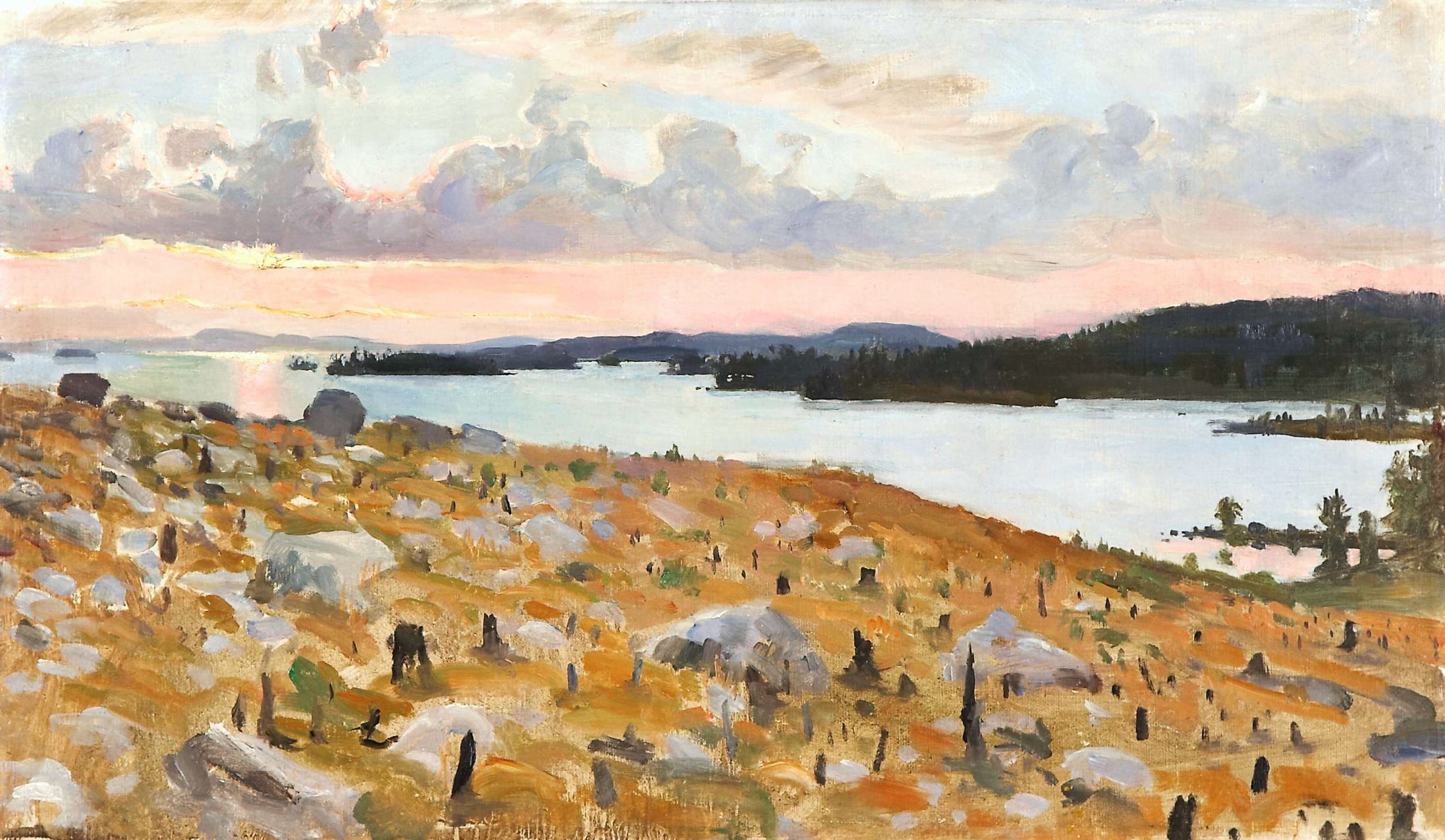
Just as post-settler interactions with the Great Salt Lake landscape have borne positive fruits, they have also brought with them far-reaching harms. My early ancestors to Utah built their developments on top of natural grazing lands, diminishing herds of elk and encroaching upon major Indigenous hunting trails, fishing grounds, and campsites.1 These changes blocked access to long-held pathways of livelihood and survival, displacing Timpanogos bands and other Indigenous communities.2
The displacement caused by Mormon settlers not only transformed the environment but was also violent. In 1850, the Mormon militia attacked a Timpanogos village, killing up to 100 individuals in the Fort Utah Massacre. This was not an isolated incident. Reflecting on another massacre along the Bear River, Darren Perry, Elder of the Northwestern Band of the Shoshone Nation observes, “It is not without irony that these Mormons who were pushed from their homelands as victims of hate, would soon do the same violence to others.”
Violence committed by my ancestors and other settlers repeated cycles of harm and devastated Native communities. This violence, combined with environmental changes and disease, contributed to the sharp decline of Native populations across the region. Much as each birth marks the arrival of an immense being into the world, each loss marks the departure of the same. This harrowing transformation of the social landscape reveals deep wounds and invites repair.
Practices beginning with my ancestors also started the ongoing displacement of the Great Salt Lake. Missionaries from the British Isles returned to Utah with alfalfa seeds. The hay gained popularity because of its adaptability to the surrounding climate. In time, alfalfa alongside other livestock feed crops became widespread. Irrigation of these water-intensive plantings diverted large amounts of water from rivers that would have otherwise flowed into the Great Salt Lake. These diversions marked the beginning of the lake’s steady decline. Even during a brief surge in the 1980s caused by unusually wet weather, the lake stood five feet lower than she would have without human diversions. Diversions have now caused the lake to receive only about one third of her natural streamflow.
Looking into the entanglement of our inheritances reveals that, while nonhuman interactions have shaped the Great Salt Lake for millennia, recent shrinkage stems largely from human consumption of water. Over 70 percent of this use comes from agricultural irrigation. We continue to cultivate thirsty crops like alfalfa and grass hay because of stable export markets, the availability of existing irrigation, and agricultural infrastructure. Climate change, outdoor municipal water use, and mineral extraction are smaller but nonetheless significant contributors to the lake’s decline. Considering these relationships between humans and the lake underscores the breadth of our entanglements and the ways in which our actions can actively diminish and transform the environment around us.
These relationships also make clear that damages to the lake reverberate through all connected life systems. As we drain the lake, dust arises from her exposed lakebed, increasing the rate of snow pack melt and shortening the snow season. This dust releases particulate matter containing arsenic and other minerals that can enter the lungs and bloodstream and that pose serious health threats to communities inside and outside of Utah. When Owens Lake, a comparable though significantly smaller saline lake in California dried from the overuse of water in the 1920s, neighboring communities dealt with respiratory diseases as dust mitigation efforts cost the state 2.5 billion dollars. Indeed, the lake’s losses are human losses.
The Great Salt Lake landscape abounds with transformations that have resulted in both gifts and damages. To reiterate, while my ancestors built the foundation for a new community that I love, their re-creation of the landscape and deliberate violence contributed to devastation for and displacement of native communities. Likewise, while our relationships with water through the diversion of rivers has supported regional agriculture, these same patterns of irrigation have largely driven the decline of the Great Salt Lake. These relationships reveal our inherent interconnectedness with the land and each other. They also reveal that, without making changes on our part, both the lake and related systems of livelihood cannot be sustained.
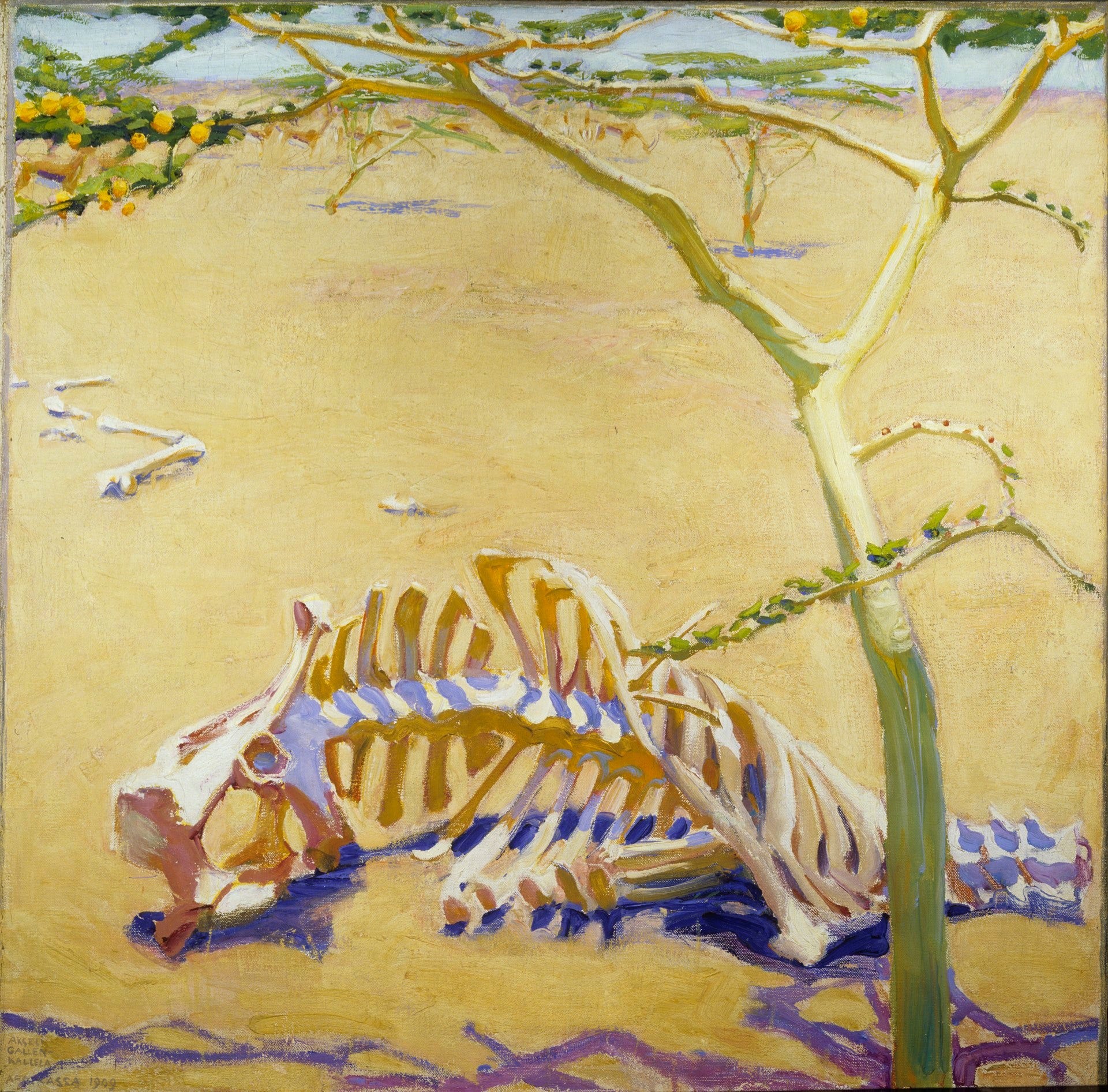
We practice holding tension when we look at these inheritances that bring us both wonders and horrors. A recent conversation with one of my professors has made me think that tending to such tensions can lead to new life and healing. My professor told me, “It is often in the convergence of competing truths that sanctity is revealed. This is ultimately what crucified Jesus.” He continued, “He was pulled in tension between justice and mercy, humanity and divinity, tradition and innovation.” My professor’s response etched its way into my soul and made me see how the space Christ created for opposing truths led to retribution, redemption, new life, and creation. Jesus was capable of holding all these tensions completely and likewise is capable of holding all of us in our uniquely contingent and conflicting inheritances.
As competing truths converge for sanctity to be revealed, their relationships are prioritized over their competition. Thus, part of holding tensions together involves a devotion to staying in relationship. This may look like expanding the latticework of our understanding so all tensions, or inheritances, elucidate and inform each other, guiding a path towards healing by allowing the needs of various landscapes and the experiences of diverse people to be held together.
I see paths toward healing arise in the case of the Great Salt Lake landscape as we hold these tensions together. For example, as people attend to alfalfa’s impact alongside its steady demand, rather than dismissing either, they recommend creating stable markets that would allow farmers to transition to less water-intensive crops like wheat.
When each environment, landscape, and inheritance is valued as part of the same latticework, we live within our means to make space for our mutual flourishing. This means we turn aside from developmental projects that, though they may respond to a specific climate calamity, shift harm to other environments by not centering personal responsibility. For the Great Salt Lake, respecting the value of all environments and inheritances points toward reducing our water consumption rather than importing water from distant sources or relying on cloud seeding for manufactured precipitation. Reducing our water consumption includes household efforts for water efficient landscaping and agricultural efforts to lease or donate water shares to the lake.
Our mutual flourishing also requires tending to the harms of specific entanglements. The Wuda Ogwa Restoration project is an example of tending to such wounds from settler violence. This project spearheaded by the Northwestern Band of the Shoshone Nation aims to restore 350 acres of land along the Bear River where the U.S. military massacred hundreds of Shoshone people amid tensions influenced by Latter-day Saint communities. The restoration work is expected to send 13,000 acre-feet of water to the Great Salt Lake each year while transforming former agricultural fields back into wetlands. Volunteers, biologists, and engineers are supporting the effort; last November, hundreds of volunteers from Utah and Idaho helped plant 50,000 native trees and seedlings.
The Great Salt Lake needs about one million acre-feet of additional water each year, but projects like this show the possibility to heal and revive our landscapes as well as each other. I believe it is for these possibilities of repair and new life that sanctity can be revealed in our converging relationships. In this way, our relationships with each other and the world can become sacred and holy.
These potentials in our relationships inform how I interpret my Latter-day Saint faith’s teachings regarding our relationship with the earth. Restoration scripture suggests a role for humans as stewards of the earth, sometimes using language of human dominion. Doctrine and Covenants 59:18 reads that “all things which come of the earth . . . are made for the benefit and use of humanity, both to please the eye and gladden the heart.” This verse carries the potential to fill us with a sense of our belovedness as we view everything as divine gift. It also, I must admit, pinches a vertebra in my spine. By presenting all things of the earth—including deep-sea creatures humans did not know existed for millennia—as made for human pleasure, the verse may incline us to forget that the earth, of which we are a part, has the power to destroy as well as to bless. By forgetting, we risk losing a sense of our ultimate reliance on our surroundings, and thus our humility.
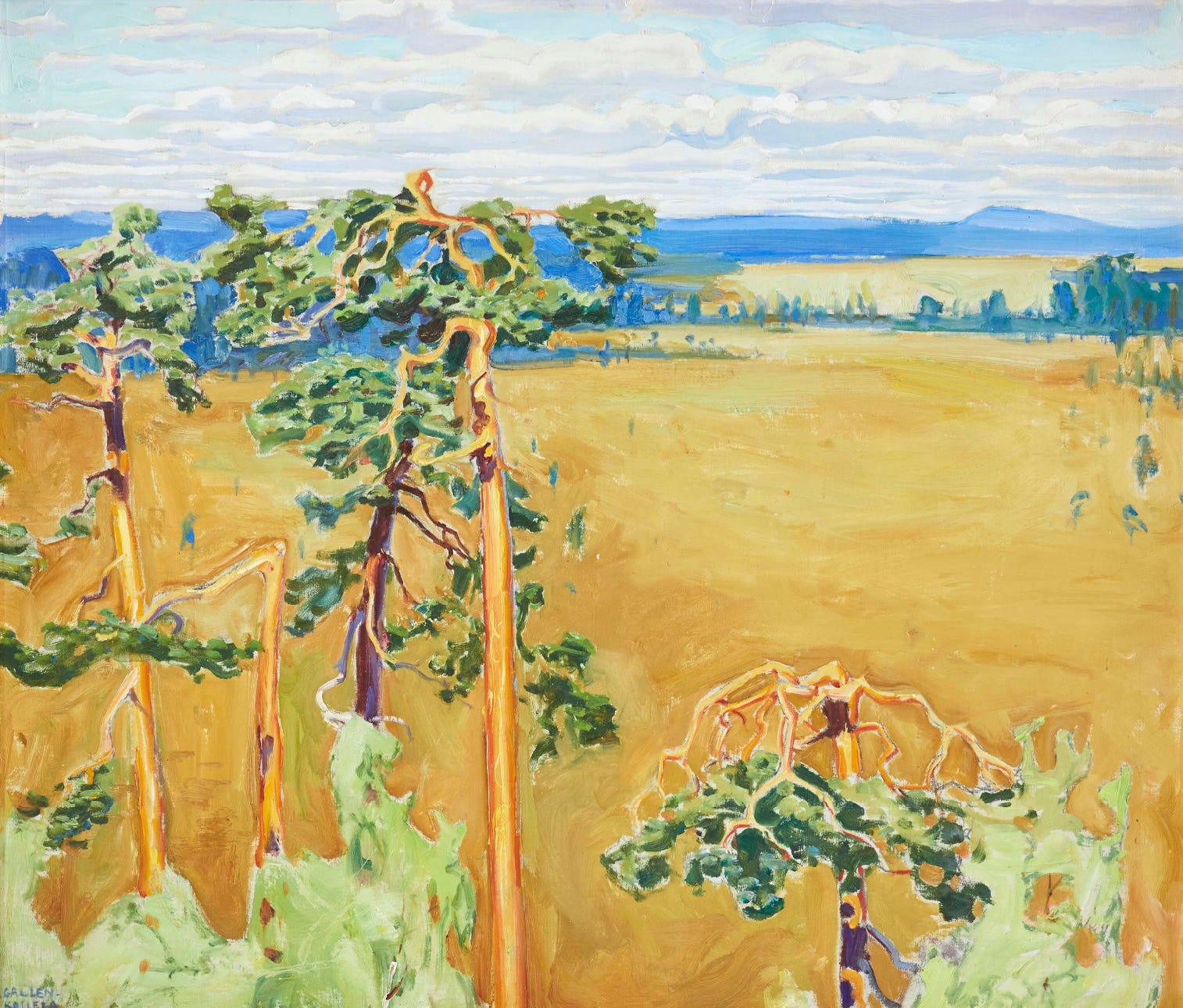
When scriptural rhetorics of stewardship or dominion are viewed in light of the entanglement of our inheritances, however, they suggest that we need not define ourselves based on superiority or inferiority but rather based on our reliance on each other. Letting go of hierarchical ways of understanding ourselves does not mean overlooking differences among forms of life nor applying human value systems and standards to snap-peas or otters. Rather, attention to our entanglements causes us to recognize that the earth can and does dominate humanity as humanity can and does dominate the earth. We come to join with Moses after seeing the creation of the world in saying, “Now, for this cause I know that man is nothing, which thing I never had supposed” (Moses 1:10).
When we recognize that the earth also stewards us, our role as stewards of the earth invites us to practice gratitude, humility, and joyful reciprocity. We see that from the air we breathe to the food we eat, we exist because of our relationships with our surroundings. As a part of “that which come[s] of the earth,” perhaps we too are created for the benefit of other creations. Our glorification is reliant on each other, and holiness can bloom from the mutual stewarding that creates the conditions for life.
I love the biblical promise that Elijah will turn the heart of the parents to the children and the heart of the children to their parents (see Malachi 4:6, KJV). When read in light of looking into the entanglements of our inheritances, this verse can be viewed ecologically as well as relationally. Turning our hearts to each other may be a call to see the circumstances we have inherited, hold opposing stories and tensions as we examine why these circumstances continue, and respond to our circumstances in order to better mutually steward one another. Doing so has the potential to transform our inevitable interconnectedness with our surroundings into life-giving and holy relationality. The scriptural promise comes with a warning; if we do not build a welding link between us, “the earth will be smitten with a curse” (D&C 128:18).
Like all landscapes, the Great Salt Lake was crafted through natural processes over millions of years. She has also been shaped, and largely diminished, by people. To look into the entanglement of our inheritances is to recognize that we are an integral part of these processes. In holding these inheritances, we recognize that the health of one life-form is the health of us all, inspiring us to hold tensions together so that we can experience mutual flourishing. Repair, redemption, and holiness follow from prioritizing our relationships so that we can pass on an inheritance where new life can continue—inheritances for the lake, for the communities who depend upon her, and for those who will inherit the landscapes we continue to cocreate.
Becky Wilson was born in Wisconsin and spent most of her growing up years in California. She received her bachelor’s degree in Interdisciplinary Humanities at Brigham Young University and is pursuing a Master’s of Divinity at Harvard.
Art by Akseli Gallen-Kallela (1865–1931).
Nathan Hale, “Blood in the Snow The Mormon-Timpanogos Conflict at Battle Creek,” The Thetean 52, no. 1 (2023): 99–100, https://scholarsarchive.byu.edu/cgi/viewcontent.cgi?article=1376&context=thetean.
Kenneth L. Alford, “Indian Relations in Utah During the Civil War,” in Civil War Saints, ed. Kenneth L. Alford (Religious Studies Center; Deseret Book, 2012), 203–25.
