


We knew moving the cats across the country was going to be difficult—a huge investment of time and money, but we couldn’t find any way around the fact that we loved these particular cats and we wanted them with us.
Our adult children flew Jaxy and Q-tip across the country to us and then flew themselves back to the home we used to know. The rest of us adjusted to our new life in Northern Virginia—the desert was replaced by forty-foot trees, a veritable Garden of Eden.
Unfortunately, Jaxy and Q-tip didn’t feel like this was paradise. They marked their new territory, fought with each other for dominance, and made it dirty and unpleasant for everyone else.
After several days of this, I angrily put them in the garage, showed them their (unused!) litter box again, and shut the door. In a heap of frustration and exhaustion, I complained about them to my husband.
The next morning, seeing the animals had once again missed the litter box, my husband opened the garage and the cats ran out.
He came to me matter-of-factly, explaining that the cats were wandering the neighborhood like they did back in Utah. But I hadn’t yet taken them outside often, and their marking had been almost entirely inside our house, not in our yard. Their return would be nearly impossible.
I listened in shock and fear. What would we tell the kids?
Three hours later, after calling for them repeatedly, I spotted Jaxy in a neighbor’s yard and he quickly ran to me. But there was no sign of Q-tip anywhere.
At our previous home she had come when I called. Why wouldn’t she come?
We put out some food, and even made Jaxy sit in his carrier crate on the back porch as night fell. His pitiful meows echoed through the neighborhood, pleading for release. We hoped Q-tip would hear his cries and come try to rescue him or at least use his voice as a homing beacon. But no luck.
We prayed. A lot. Mostly we prayed for forgiveness for our anger. We would figure out a way to deal with the bad behavior if we could just get her back. We prayed for her safe return. By the end of the week, we had been praying and calling for her repeatedly throughout the day with no sign of her whereabouts. We didn’t want to consider that the worst that could possibly happen was the most likely scenario—there were, after all, a lot of foxes in the area.
Imagine our surprise when our eight-year-old, while riding her bike through the neighborhood, spotted Q-tip under a bush about fifty yards away from our house. She ran and picked the cat up, and our other son who was with her took the unruly cat and brought her home while she clawed him and tried to escape.
Our prayers were answered! It was a miracle that she was still alive after seven days of being on her own. What had she survived on? Frogs? Salamanders? Where had she slept? What did she drink?
Why was she fighting her rescue?
We didn’t let her out of the house for a few days, but gradually she went back outside for brief periods of time. I guarded her well and brought her home if I sensed she was about to stray.

Alas, a week later, Q-tip and Jaxy got spooked while they were outside with me. Although the back door of the house was open and they could have retreated to safety, they once again disappeared. Jaxy returned again a few hours later, zipping through the open door then collapsing in exhaustion. By the end of the day, it was clear that Q-tip wasn’t coming back.
It was heartbreaking losing Q-tip. Again.
She was a precious member of our family. I assumed that she could hear my voice but would not come when I called. It made me think about the Savior’s words, “I am the good shepherd, and know my sheep, and am known of mine. . . . My sheep hear my voice, and I know them, and they follow me” (John 10:14, 27).
The difference between Jaxy and Q-tip was that Jaxy trusted me enough to come when I called. I assume Q-tip could hear me, but she wouldn’t heed me. She didn’t trust me enough to yield her will to mine.
It made me think. Do I race off into strangers’ yards when things go awry or do I retreat to the protection of places where my Master dwells? Do I take refuge in sacred spaces? Do I come when my Good Shepherd calls?
We could seek out the lost cat and bring her back, but she had to decide that it was truly her home. She had to feel deep inside her that she was part of this new household. That this fold we had brought her to was not a constraint but a refuge.
Against all odds, as I was washing dishes six days after her second disappearance, I saw a flash of white in the neighbor’s yard. I gasped and ran to the back door, throwing it open. I called her name and she hesitatingly came in. Parched and thin, she gulped the clean water that I gave her.
Now it appeared she had learned her lesson. The first time she was lost was justifiable. No one could blame her for being scared and running—especially in the face of our anger. But this second time settled the matter. Home was where she belonged, not out in the lone and dreary world—no matter how paradisiacal it seemed. Now she surely knew that this was the place she wanted to be. Certainly.
And yet.
Three days later, I found myself laying on my new neighbor’s driveway, trying to pull our cat out from under their car. I could reach one leg. If I just got a good grip, I could pull her out from this spiral. Why wouldn’t she just obey?
After all of the expense of medical checkups, boarding her, flying her out here. We had put so much into keeping her part of our family!
I felt a well of frustration bubbling up. She kept running away for days at a time, breaking our hearts with worry. No. I wasn’t doing this again. I’d had enough. This cat was coming inside. Right now.
That’s when I had a distinct impression: You will hurt her, and by hurting her she will trust you even less. You cannot force her to come. You will hurt her.
The feeling of distraught protectiveness left me. Deflated, I stood, dusted myself off, and walked back home. But this time I sensed that this is the way it’s supposed to be. For cats and others.
Many of us welcome children into our homes through great efforts. We journey far from heaven, patterning our homes after that first one in the hopes that it will feel familiar and welcoming.
Yet mortality happens, and we frequently annoy, and sometimes wound, those we interact with most—our family. Sometimes unintentionally. Sometimes in anger. Sometimes we are driven apart from the overcorrection and complaints of others that shape our perception of ourselves and feed the lie that we don’t belong. Sometimes those we love are lost to strange roads where fear drives them or curiosity beckons them.
Sometimes our cats and our children run away. Again. And again. And again.
At such times, echoes of heaven remind us we cannot keep them here nor make them stay. They must choose to come home.
The anguish and guilt we feel over any prodigal is sometimes so large that we don’t set it aside to do the real work of loving. Instead, we try to fix the situation ourselves. We try to save the one who is lost, preferably through kindness but sometimes through different, useless strategies. We might flirt with where guidance stops and coercion starts. It doesn’t work.
One thing I have learned: You can’t do God’s work using Satan’s tactics.
Yanking on legs doesn’t help the situation.
It is not my job to try to save the ones I love. There’s a Savior for that. My feeble efforts to “save” usually complicate the situation, and sometimes even leave wounds.
I have learned these truths about loving my children and my pets:
It is my job to extinguish my fear so that they don’t mistake my anxiety for unbelief in their capacity, strength, and resilience to face the world outside our home.
It is their job to boldly act. To embark. To explore. To choose. To experience.
If they do get hurt, I hope they will come home. Come home with the scratches from feral cats and the bloody bite marks of a fox on their flank. I will help them heal. We will clean it together. I will get them medicine or doctors or both.
My job is to make home such a lovely place that they crave being here.
Their job is to find their way back. Use the kitty door their Father installed. It’s always open.
God cares about lost cats. He cares about one sheep among ninety-nine others. He cares about one coin among ten. One soul is priceless.
So as darkness falls, I open my door, pushing down a knot of worry.
And I call. Again.
Miranda enjoys re-watching favorite movies, spending time with family and friends, and composing music. Her writing often focuses on the overlap between caregiving and discipleship.
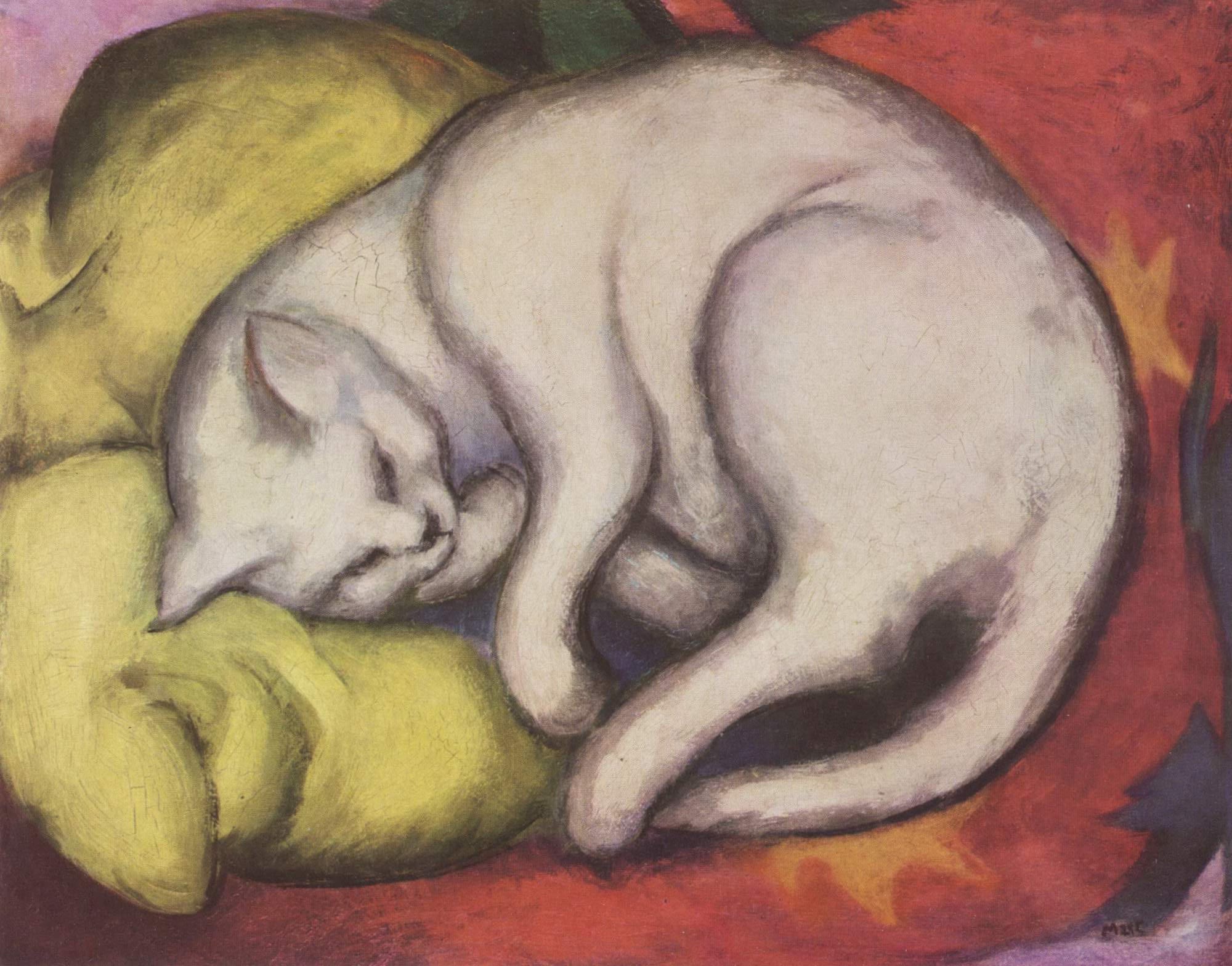
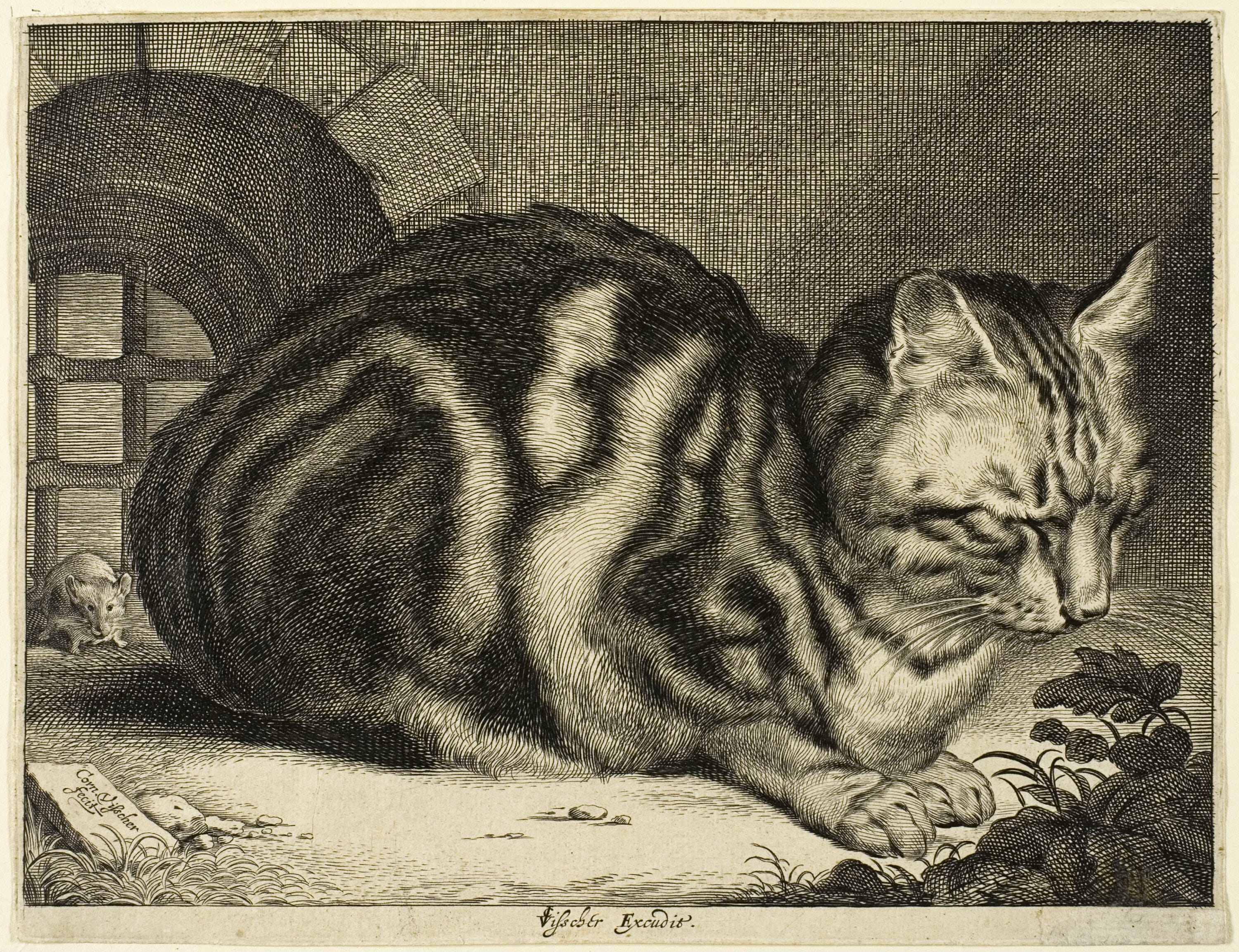
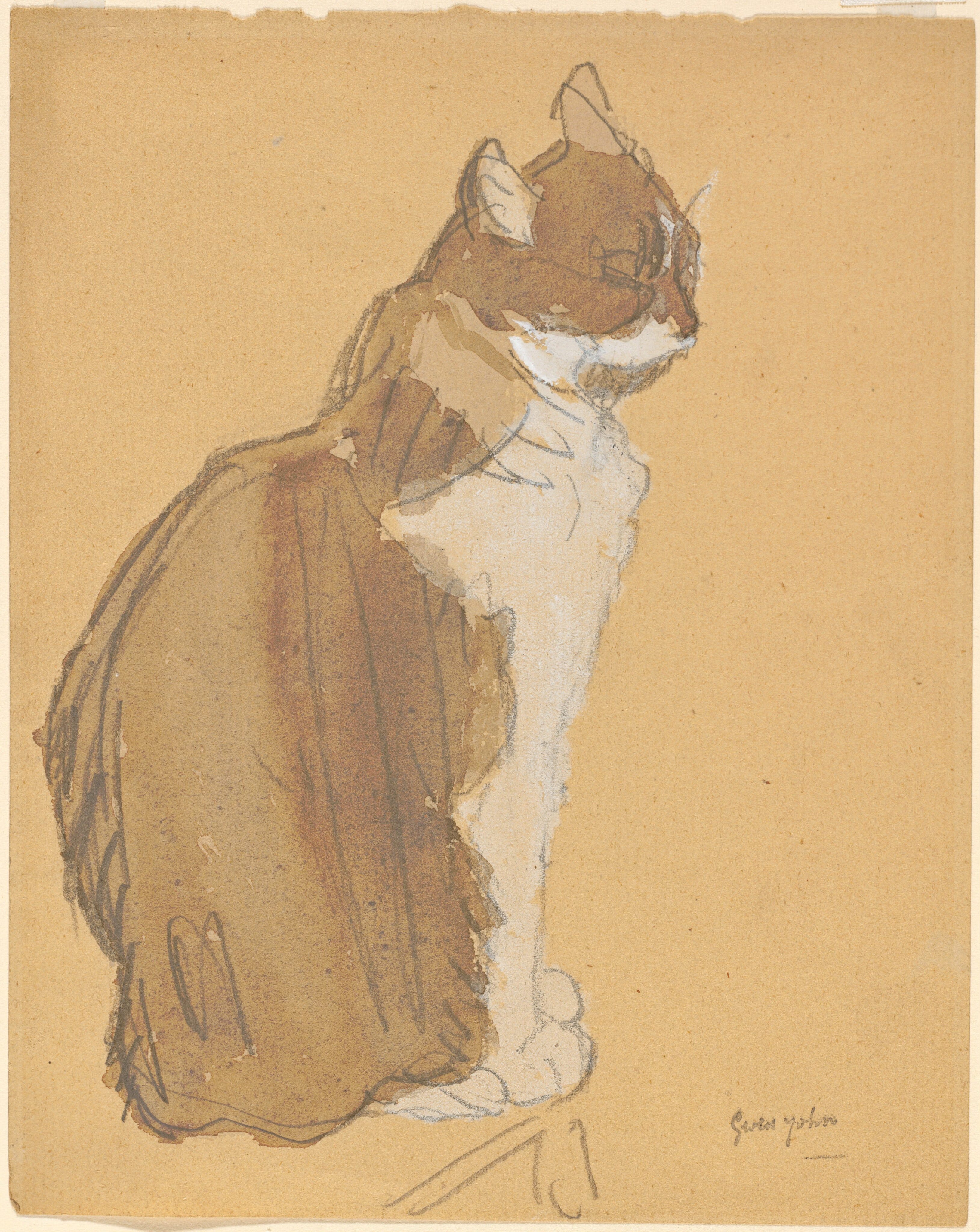
Art by Franz Marc (1880–1916), Cornelis Visscher (1629–1658), Takahashi Hiroaki (1871–1945), and Gwen John (1876–1939).

I loved this! I can totally relate.