


The travails of Israel culminate in Deuteronomy, the fifth and final book of Moses. The book records his last instructions to the children of God’s covenant, which emerge over the course of three sermons (chapters 1–4; 4–28; and 28–30). The book also marks the end of Moses’s mortal journey with his people. The story of Moses in Deuteronomy is an important contribution to our understanding of how God works through prophetic figures to lead his community. We can easily imagine that those who heard Moses’s instruction at the time may have felt challenged to make sense of divine revelation, the prophetic interpretation they received, and the personal responsibility placed upon them within their covenant with God; modern readers may feel some of those same things. A willingness to follow prophetic guidance is not always comfortable and demands great faith. Fulfilling our covenantal responsibilities toward God and one another opens up greater access to God and his blessings and protection, a fact evidenced throughout Deuteronomy.
Moses ended his first sermon by reminding his listeners of the promises given to earlier generations, which would be, for them, fulfilled in the very near future.
Now, therefore hearken, O Israel, unto the statues and unto the judgments, which I teach you, for to do them, that ye may live, and go in and possess the land which the Lord God of your fathers giveth you. (Deuteronomy 4:1)
Moses connected his hearers to their forebears’ promises received from God and helped them see that they would be the ones to realize their fulfillment.
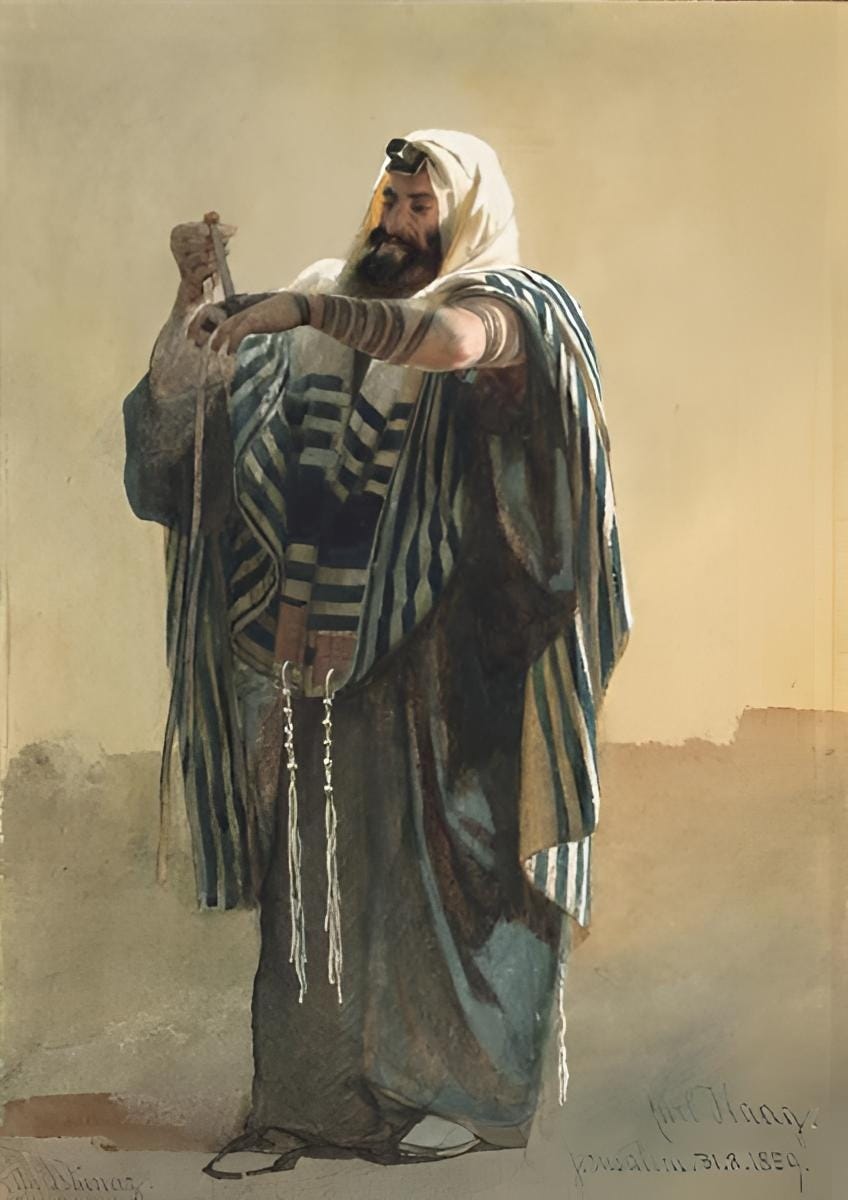
In his second exhortation, Moses invited those same listeners to keep the commandments (Deuteronomy 5) and then provided one of the most profound instructions in all of scripture. After repeating the injunction to observe and “do” the commands as they entered the promised land, Moses helped them see that, in doing what is required by God, we cannot dismiss the necessary step of getting the words into our hearts. This part of Deuteronomy 6 has come to be known as the Shema in Judaism, and it remains an essential part of weekly synagogue services even today. The words “Hear, O Israel: The Lord our God is one Lord: And thou shalt love the Lord thy God with all thine heart, and with all thy soul, and with all thy might,” lay out what God requires of those who covenant with him (Deuteronomy 6:4–5, KJV). The injunction to love God fully means that, as Moses instructed, those words must become part of our daily life. There is always the risk that those who love God will become distracted or forgetful of God’s mercy, love, protection, and care as we go about our day-to-day activities. Wisely, Moses offered his people a pattern of remembrance through ritual and symbol. The use of tefillin (ritual objects of prayer) and of a mezuzah attached to a door frame, among other physical items, provided ready-at-hand objects that would draw his people’s minds, hearts, and actions toward remembering the promises of the blessings that he and his people hoped for and (at least at this point in the scriptural narrative) were ready to receive (Deuteronomy 6:7–9).

The people of Israel were to love God with their heart, soul, and might—and they were to be holy (kodesh). Holiness was both an intrinsic element within Israel and a condition they actively sought after. As a people, Israel was deemed holy because God’s covenant provided them a special relation to him and a unique purpose in the world (Isaiah 41:8–10; Isaiah 49:5–8). They were commanded, likewise, to be holy through obedience to and maintenance of their covenant with God. The promise of becoming “my treasured possession” (Exodus 19:5, NRSV) was both intended to be realized in that moment and even more completely in the future. God, in reminding Moses and Israel about their covenantal status, reminded them of his continued guidance: among the Egyptians, through the Red Sea, and through the wilderness. The book of Deuteronomy expands the priestly responsibility of holiness outward to all of Israel, making holiness a characteristic of the nation. This expansion of holiness as an inclusive condition to be both appreciated and developed required that the people adhere to certain rules or commands that enabled such a community to exist.
Here is one such rule: the eradication of poverty was institutionalized for Israel. Deuteronomy 15 commands people to forgive debts of the poor every seven years and to fully free slaves as a way of signaling that the people are willing to both recognize the source of blessings and sacrifice for the health of the community. This act, previously reserved largely as a monarchical gesture from the king to his subjects and servants, now applied to all of Israel. Moses, like Brigham Young and the early Latter-day Saints preparing to head west, offered sage advice on how to keep the community together during difficult times in the wilderness and as they prepared to establish their homes in a promised land (compare Doctrine and Covenants 136:10–11, 18–26). In both instances, people were asked to look after one another as part of their covenant. Isaiah reminded his people that their complementary role in the covenant would be accomplished in part if “they helped every one his neighbor; and every one said to his brother, Be of good courage” (Isaiah 41:6, KJV). Like the people of Enoch (Moses 7:18) and those described in 4 Nephi, the desire to eradicate poverty, suffering, and jealousy blessed those who were within God’s covenantal bond.
Moses received a remarkable gift of grace from the Lord as he neared the end of his life. From atop the hills in the plain of Moab, Moses glimpsed the promised land, and could thereby know that God could and would fulfill the promises that reached back to Abraham, Isaac, and Jacob (Deuteronomy 32:49; 34:4). This moment may feel odd: God tells an aged Moses to go to the mountain of Nebo and see Canaan, the promised land, yet Moses would never step into that promised land. This leaves room to wonder. Why, we might ask, did God not let Moses enjoy the fruits of a long-sought-after reward and promise? Being close enough to gaze upon the land across the Dead Sea, did God intend to teach the Israelites something from the seemingly untimely departure of Moses? Moses had been their guide, their teacher, and their prophet for many years. He was great and inspiring. According to Deuteronomy 34:10, “there arose not a prophet since in Israel like unto Moses, whom the Lord knew face to face.” The death of Moses here occupies a unique transition to later portions of scripture for Latter-day Saint readers. Moses is said to have died in Deuteronomy 34. Importantly, it is God who fulfills the familial responsibility to care for the dead by burying Moses himself. This fulfillment speaks to the greatness and holiness of Moses in God’s eyes. Christians note that Moses appeared at the Transfiguration of Jesus (Matthew 17:3; Mark 4:4), and the Book of Mormon draws parallels between Alma’s fate and that of Moses (Alma 45:19). Moses, of course, was instrumental in restoring priesthood keys to Joseph Smith and Oliver Cowdery in 1836 in the Kirtland Temple (Doctrine and Covenants 110:11). His relevance for the Restoration of the gospel of Jesus Christ issues forward from that moment when God took Moses into his own care.
It may have been that the people stood to learn something significant from Moses’s departure before they entered Canaan. When Joshua was called upon to lead the people after Moses laid his hands on him (Deuteronomy 34:8 and Joshua 1:1–3), they could recognize in this call of a new leader the continued guidance that God channeled through his chosen prophet. It was almost immediately after the end of Moses’s mortal life that the people were told to go and obtain the land. The absence of Moses may have helped them see that the Lord, not Moses, was the giver of covenantal promise and blessing. Their work to prepare themselves was overseen by Moses during his lifetime and during their exodus. Their wanderings in the wilderness were managed by Moses, but it was God who beckoned them toward the gift he intended for them.
The final moments of Moses’s life show us how to trust God and focus on the transformation of our hearts and minds to better see God’s hand in our lives and to trust the prophetic figures that bring us to him.
Dr. Andrew Reed is the Richard L. Evans Chair of Religious Understanding and an Associate Professor of Church History. He studied Russian, Ukrainian, and European history at Arizona State University and holds master’s degrees from both the University of Oxford and the University of Cambridge.
Art by Carl Haag (1820–1915).
The Old Testament Reflections series is published in collaboration with the Maxwell Institute: https://mi.byu.edu/old-testament-reflections.
