


Near the end of January 2026, journalist Louise Perry published an op-ed in The New York Times with the provocative title “The Harry Potter Generation Needs to Grow Up.” Perry begins by recounting how the Harry Potter books entranced her and her contemporaries as they came of age. She then goes on to outline the ways in which JK Rowling has since grown more controversial.
Then, Perry arrives at her real point: Speaking of the generational differences and explaining why Millennials like the books so much more than members of Generation Z, she writes,
That’s why millennials like Harry Potter a whole lot more than younger generations do. The story captures a worldview that is no longer attractive to young people jaded by the experiences of economic decline, political polarization and spiraling identity politics. They have fallen out of love with Harry Potter because they have fallen out of love with the worldview the series represents, which is to say that young people have fallen out of love with liberalism.
Perry argues that children born within the last twenty years are possessed of a weary brand of cultural cynicism. Worn out from the ramifications of the 2008 financial crisis, the election and re-election of Donald Trump, and the coarsening of political discourse, they no longer recognize nor appreciate the virtues of liberalism generally, and of liberal democracy specifically. As she finishes her essay, she concludes that, when young readers thirty years ago imagined that liberal values were everywhere ascendant, they were demonstrating a dangerous form of naivete. Reflecting her hypothesis as the essay ends, she writes,
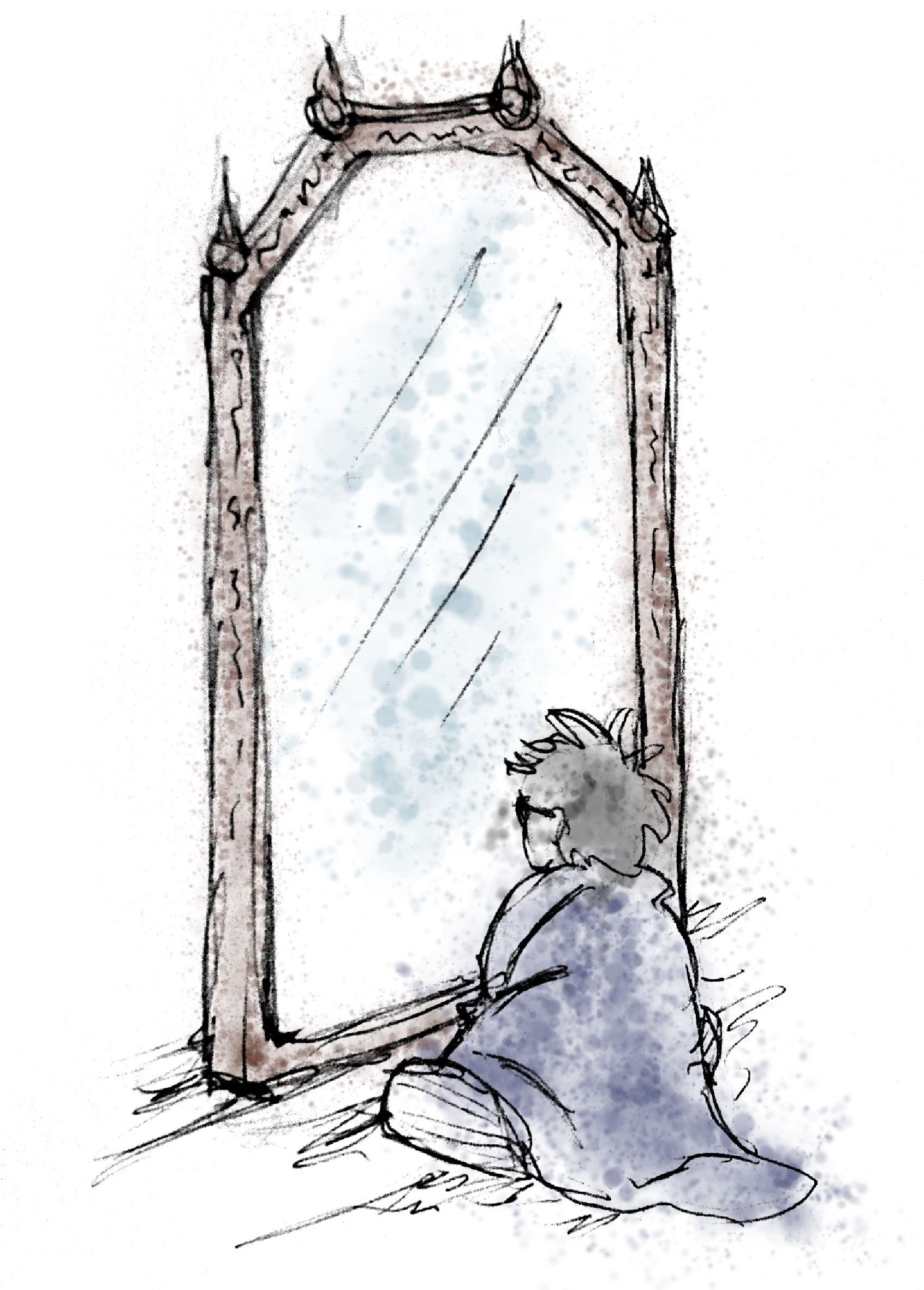
I now wonder if the Harry Potter books themselves functioned as something like a Mirror of Erised (which shows its viewers what they most desire) for my generation. They reflected an image of the world that we so wanted to be real: a world that was ancient and magical, where even children had the ability to identify and vanquish evil. It was beautiful in its moral simplicity. It was also too good to be true.
I read this essay with a cauldron bubbling full of mixed feelings and reactions. On the one hand, I admit a certain possessive defensiveness here. Yes, I have visited a Harry Potter-themed store. Yes, my three sons and I each have a house-specific Hogwarts mug. Yes, we have seen the movies too many times to count. Yes, we have visited the theme park. And, of course, yes, we have read every page of all seven books out loud not once but twice as a family. The books have played an important role in our family’s bonding and moral development.
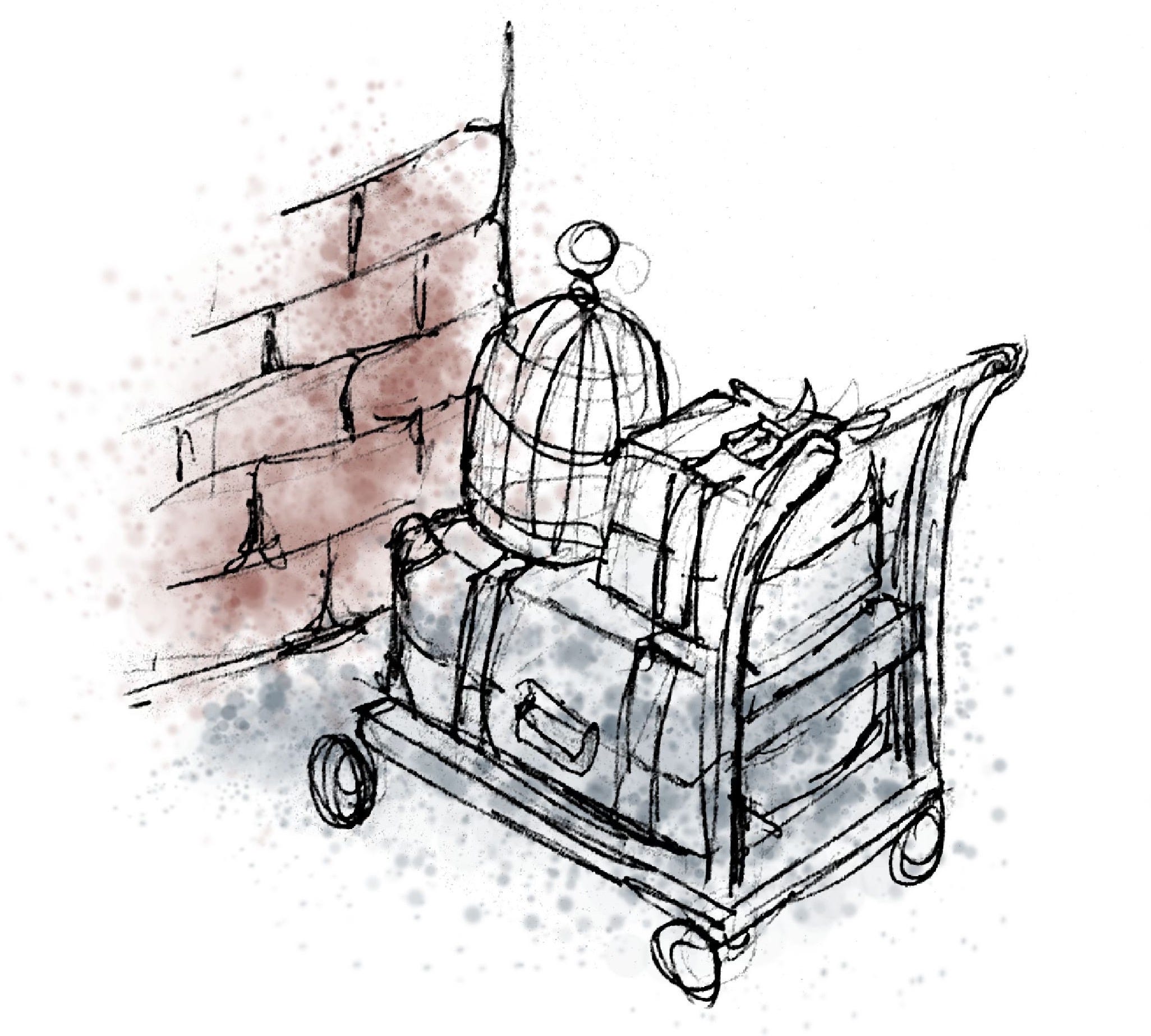
That said, my fourteen-year-old son would be the first to tell you that our familial devotion to these tales is, from his vantage, a little bit “cringe.” After all, Rowling has become a significantly more complicated figure, especially because of her remarks about trans people and her unapologetic and often seemingly oblivious tone in discussing them. What’s more, the movies and novels have become so deeply embedded in our shared cultural lexicon and collective imagination that they can hardly seem anything but threadbare and worn in 2026. Finally, some parents who insist on endlessly reliving the Harry Potter glory days are a bit reminiscent of Uncle Rico, from “Napoleon Dynamite,” who tries to relive the glow of his high school football heroics by endlessly watching tapes of himself.
Though my son might disagree: I get it.
At the same time, though, it’s also clear that Perry is making a point that runs deeper than just a commentary about a ubiquitous piece of intellectual property fading into irrelevance. By the end of her essay, her point is not just that parents should move on from childhood fables, nor is it that the value of these particular books should be questioned because of the complexity of their author. Rather, she is arguing that the values underlying the books—the principles that she says give the books their “moral momentum”—are somewhat dewey-eyed, a little hackneyed, or, as she says, a little “too good to be true.”
But what really seems to worry her is not so much that the values undergirding Harry Potter’s moral universe are not laudable—indeed, at one point in the essay, she specifically says she supports them—but that those values are taken for granted in the book, in effect concluding that Rowling intends to demonstrate across the tale’s arc that the values defining liberal democracy must always win out, that their triumph is, in effect, inevitable.
This is the place where I come to my most deeply-seated disagreement with Perry’s argument. Here, her critique is not a commentary on flaws inherent or unique to the universe of Harry Potter but a categorical misunderstanding of the purpose, power, and potential of literature. This flaw in her argument matters both for how we read Harry Potter and also how we read, understand, and experience literature more broadly.
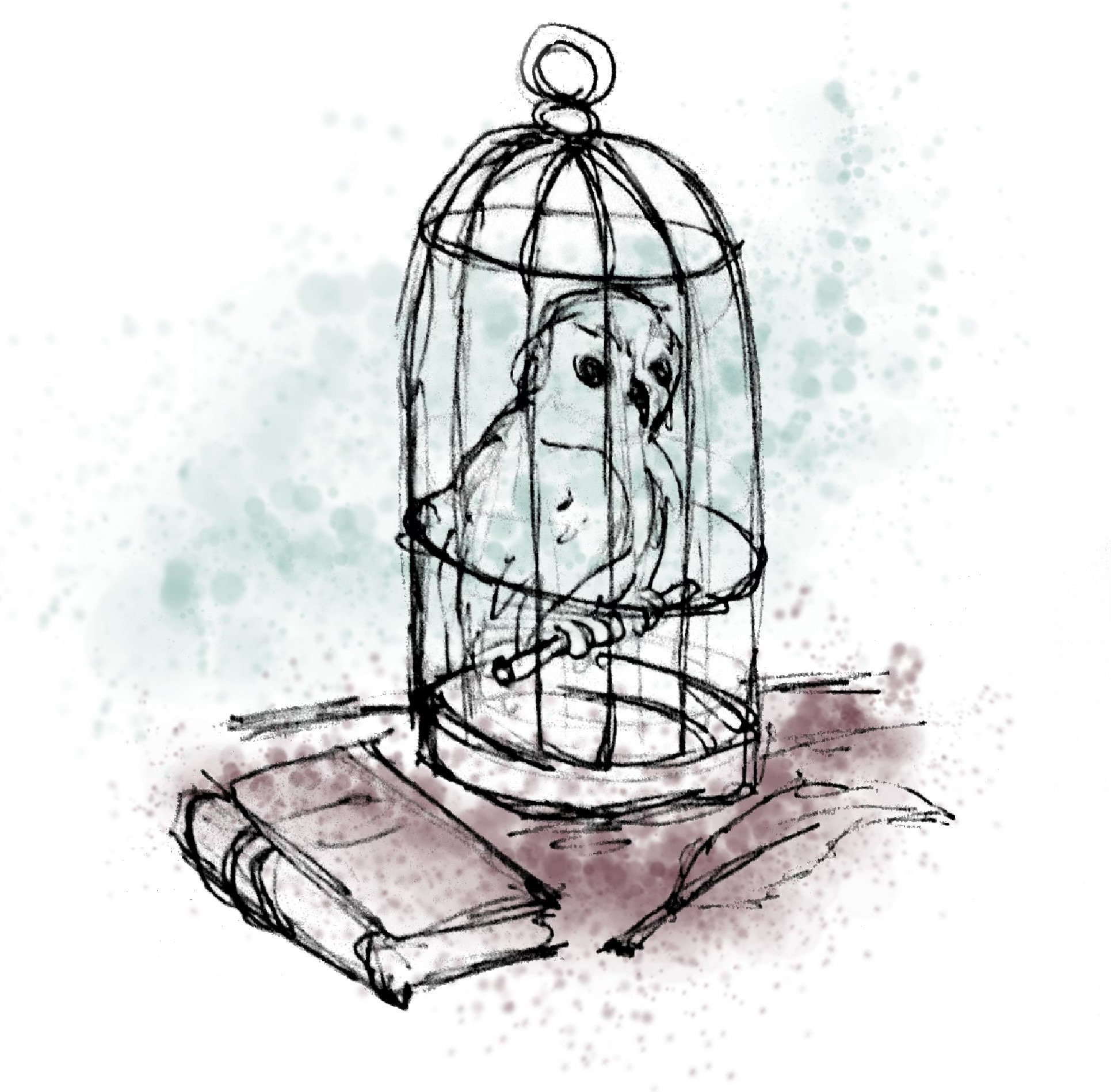
When the sixth book in the series, Harry Potter and the Half-Blood Prince, was originally released, Liesl Schillinger reviewed it in the New York Times. Her review contained a warning: “Suffice it to say that this new volume culminates in a finish so scorchingly distressing that the reader closes the book quaking, knowing that out of these ashes, somehow, the Phoenix of Rowling’s fiction will rise again—but worrying about how on Earth Harry will cope until it does.” Those who have read that book, or who have seen the movie that depicted it, will know that Schillinger is primarily referencing the death of Harry’s beloved mentor and spiritual guide, Albus Dumbledore. His apparent murder at the hands of his erstwhile friend and co-teacher, Severus Snape, is one of the most wrenching turns in the series.
But Schillinger’s description of that moment reminds us of something else: literature is not meant to be experienced with 20/20 hindsight. If we know the end of the books from the beginning, we can never read the books as they are meant to be experienced again. No matter how much we may savor the facsimile of experiencing the arc of the story, again, for the first time, repetition simply cannot live up to the thrill and catharsis of walking through a bildungsroman with the characters as they age and mature. The entire point of great literature involves our willingness to rise, fall, triumph, and suffer with the characters when we do not know how the story will end. Reading is, after all, an exercise in willful, embodied, and meaningful imagination. It is from living in the tension of the unknown future that stories derive their bite, character, and meaning.
In fairness, a much more valid criticism of the arc Rowling painted for her characters came in a review of the seventh book in New York Magazine on August 13, 2007. Those who have read the books or have seen the movies—and, at this point, is there really anyone out there who has done neither?—will know that near the climax of the seventh book, Harry volunteers to die to save his friends (and the rest of the world). Just after he dies, however, and in what initially seems an ineffable mystery, Harry meets the ghost of Dumbledore in a heavenly Kings Cross station. Then, Harry is allowed to choose to return to his body, and he reanimates just in time for the final fateful duel with his arch-nemesis, Lord Voldemort. Writing about this ultimate deus ex machina, Sam Anderson wrote,
I’m not opposed to Happy Endings per se—I’m just opposed to the author trying to get Emotional credit for both a tragic and happy ending without earning either. Rowling had been gathering storm clouds for ten years; her fictional sky was as purple and lumpy as a quidditch stadium full of plums, and the whole world had lined up to watch it rain. She owed this ritual sacrifice to the immortal gods of narrative: either the life of her hero or—infinitely harder to pull off—his convincing and improbable survival. With Harry’s death, the series would have graduated instantly from “light and possibly fluky popular megasuccess” to Heavy Tragic Fantasy Classic. Instead, at the last possible moment she tacked on an episode from “Leave it to Beaver.”
For me, that is a critique with teeth. I do think there is a sense in which the denouement of the final book tries too hard to have it both ways—and therefore ends up achieving neither convincingly. It is probably true—and to some degree this makes Perry’s point better than she does—that the novels would have had greater moral gravity and increased cultural staying power if Harry Potter’s sacrifice had been real, and if he were not rescued at the last moment by theretofore unknown ancient Wizarding Magic. Instead, her conclusion suggests that the world can have it all—that the sacrifices necessary to secure for our children a better world are not really needed because any pain inherent in them will be magicked away at the final bell.
Yet, even acknowledging all this, Perry’s critique strikes me as ultimately hollow and unconvincing. I say this in large part because I have watched the faces, eyes, and body language of my own children as we have journeyed through the books together. It is no small thing, after all, to read more than 3,500 pages out loud to small children. Whatever else is true, it remains a testament to Rowling’s limber and arresting voice, that my three rowdy boys remained riveted for the entirety of her chronicle, including the middle boy listening to all of those pages twice. I have watched their countenances rise and fall as the characters have variously succeeded and failed. I have felt my youngest son’s soul-deep anguish when Dumbledore was lost and have heard his incessant begging questions as he pleaded to know if Dumbledore was really dead or would somehow make his way back into the narrative. I have watched the boys’ faces glow with both anticipation and dread as they experienced these stories through my voice for the first time, including reading many of them during the darkest and most confusing days of the pandemic.
Because I have watched these children make that journey—indeed, making the journey with them has been one of the deepest privileges of fatherhood—I am left in the unusual position of conceding many of Perry’s observations and many parts of her analysis, and yet disagreeing foundationally with her primary conclusion. In my mind, the lesson we learn from revisiting Harry Potter in 2026 is not that the conditions that gave rise to the ascendancy of liberal democracy in the late twentieth century were too good to be true, nor is it that the characters in Harry Potter consider those values to be inevitable.
Quite the opposite.
The point of revisiting Harry Potter is that what we desperately need as we enter the second quarter of the twenty-first century is a return to the childlike ability to believe in our collective potential for embracing good. What is desperately needed is not more weary cynicism, but a greater degree of the type of gritty resolve that allows Harry, Ron, and Hermione to persevere when all seems lost. We deeply need and must never stop seeking the persistence and tenacity that fueled their continued striving even after Dumbledore had died, the horcruxes seemed a hopeless cause, and Voldemort had come within a whisker of achieving the domination he had so long sought.
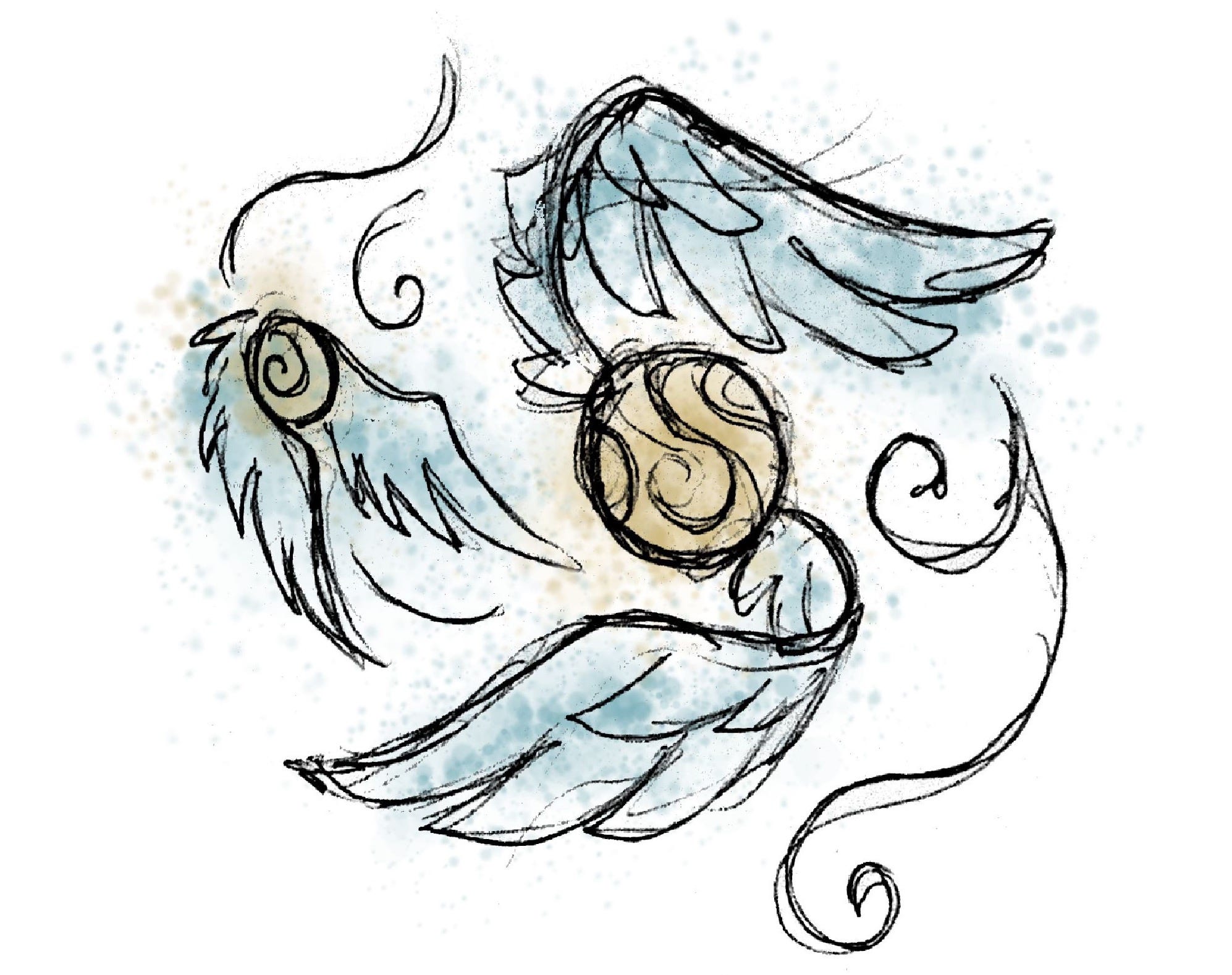
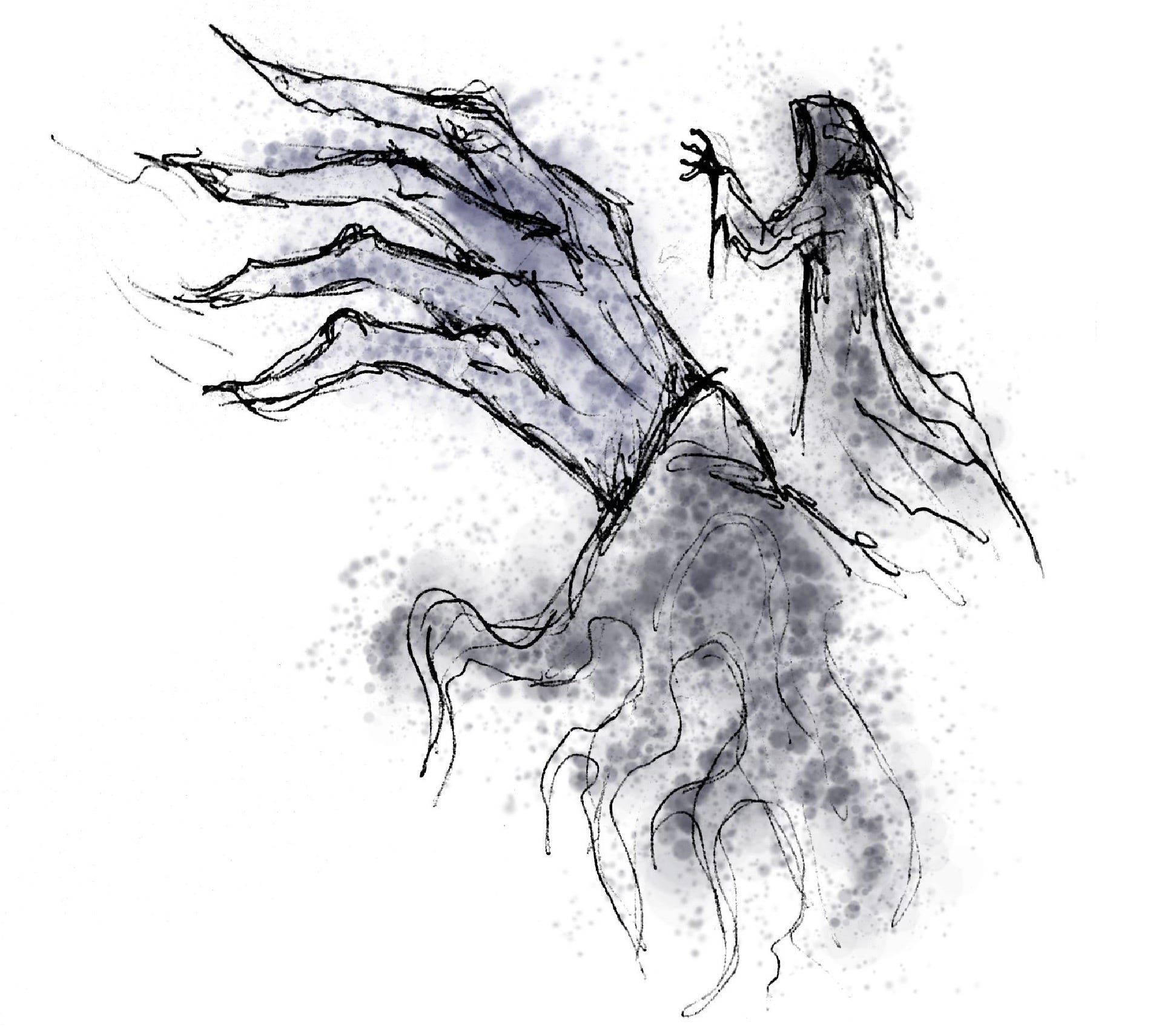
In the series’ third book—Harry Potter and the Prisoner of Azkaban—Harry comes face to face for the first time with one of his world’s most fearsome specters: a dementor. These creatures—faceless phantasms with rotting limbs, sucking happiness from the world around them—can only be repelled by dint of an advanced bit of spell-making: summoning a witch’s or wizard’s personal “patronus” (a luminous animal avatar). At the book’s beginning, Harry struggles to face down even a manufactured representation of such a being, grappling to find the words, the fortitude, the focus, and the magic necessary to utter the appropriate counter-curse effectively. Near the book’s conclusion, however, in an unanticipated moment of desperation, Harry and his friends are confronted with an entire flock of dementors—descending en masse like a host of dark angels from hell.
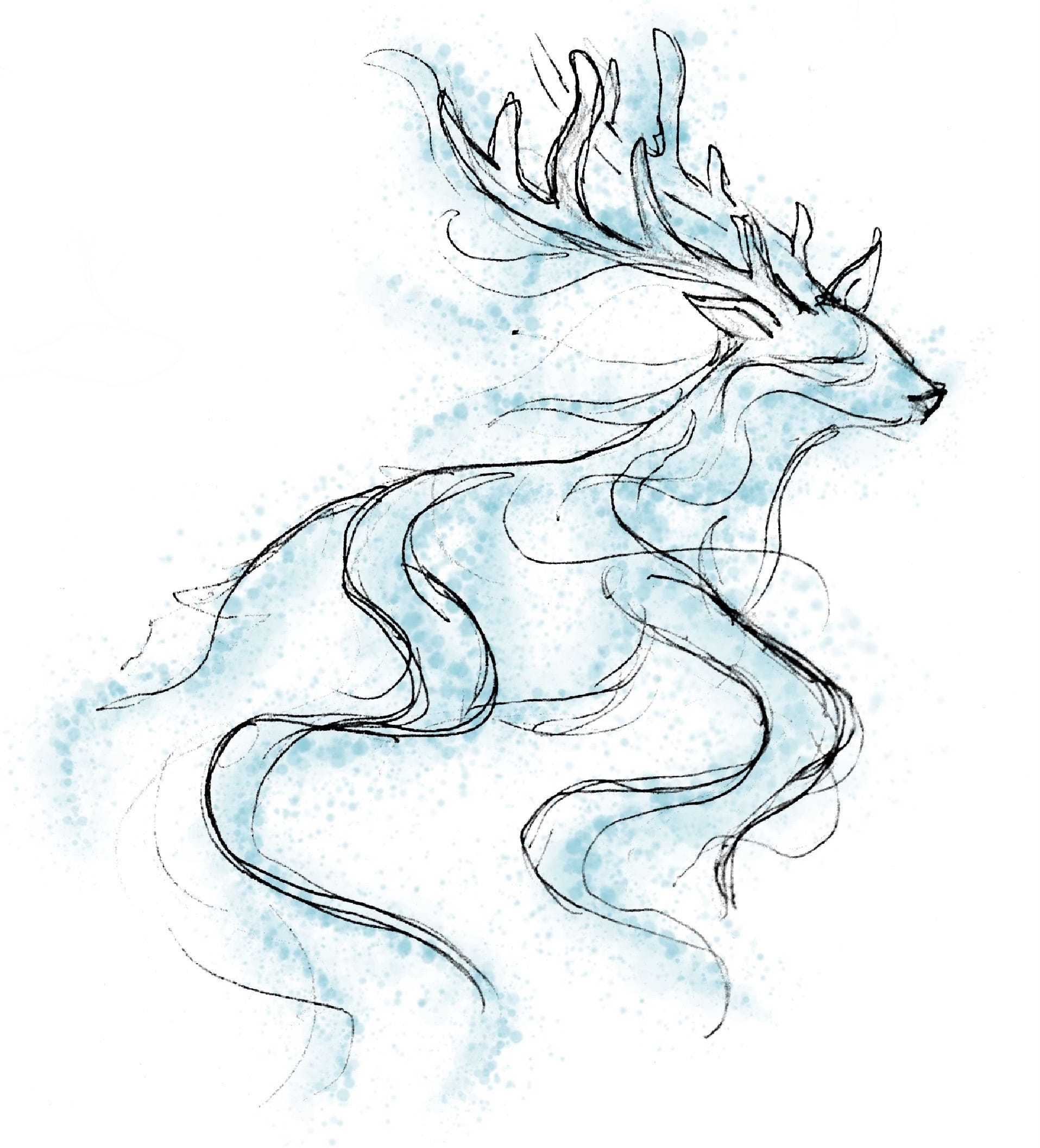
And at just that moment, seconds from the dementors triumphing, a mysterious figure emerges in the mist across the forest lake where they will momentarily perish, sending a stag patronus galloping into the horde of phantoms, scattering them in all directions. What we don’t learn until a few chapters later, however, is that the mysterious figure is not, as Harry initially expects, the spirit of Harry’s father, but, rather (by virtue of a bit of time travel magic Harry doesn’t become aware of until later), Harry himself. Harry has returned from the future to rescue himself and his friends and finds that, in that future-returned-a-few-hours-into-the-past-state, he is able to summon a patronus of blazing, corporeal, confident glory precisely because he has already seen himself do it. He is given the confidence to summon that faith, in other words, because he has already experienced himself doing just that vicariously by watching his future self (though unaware of what he is seeing at the time). That vicarious experience empowers him at the moment of decision, when he is asked to screw his courage to the sticking place.
I can still see my children leaning forward in agonies of anticipation as they heard this scene for the first time: faces contorted, the tautness of their emotional strings visible from across the room, hoping against hope that Harry would somehow, somewhere find what he needs to triumph and persevere. And that is precisely the power and point of literature: to invite each of us vicariously into the moment where we are called to battle the horde of dementors as they swoop in, right on top of us and our friends. We are meant to face that challenge vicariously so that when life sends at us masses of monsters scarier and far more real than those in an imagined universe, we have already developed the emotional muscles to respond as fate dictates we must. We face the dementors with Harry because literature can make of us apprentices as we prepare to go to battle in our lives.
The power in the Harry Potter books comes not from knowing the end from the beginning, but in remembering that the characters and the rest of us who journeyed through the books together for the first time had to do so powered not by knowledge, but by faith; not with certainty, but with hope; not because the ending was inescapable but because the triumph of good is forever at risk and can only be insured by each of us persevering when the odds seem impossible.
Tyler Johnson is a medical oncologist and associate editor at Wayfare. To subscribe to Tyler’s column, first subscribe to Wayfare, then click here to manage your subscription and turn on notifications for On the Road to Jericho.
Art by Rowan Li, @artistrowanli.