


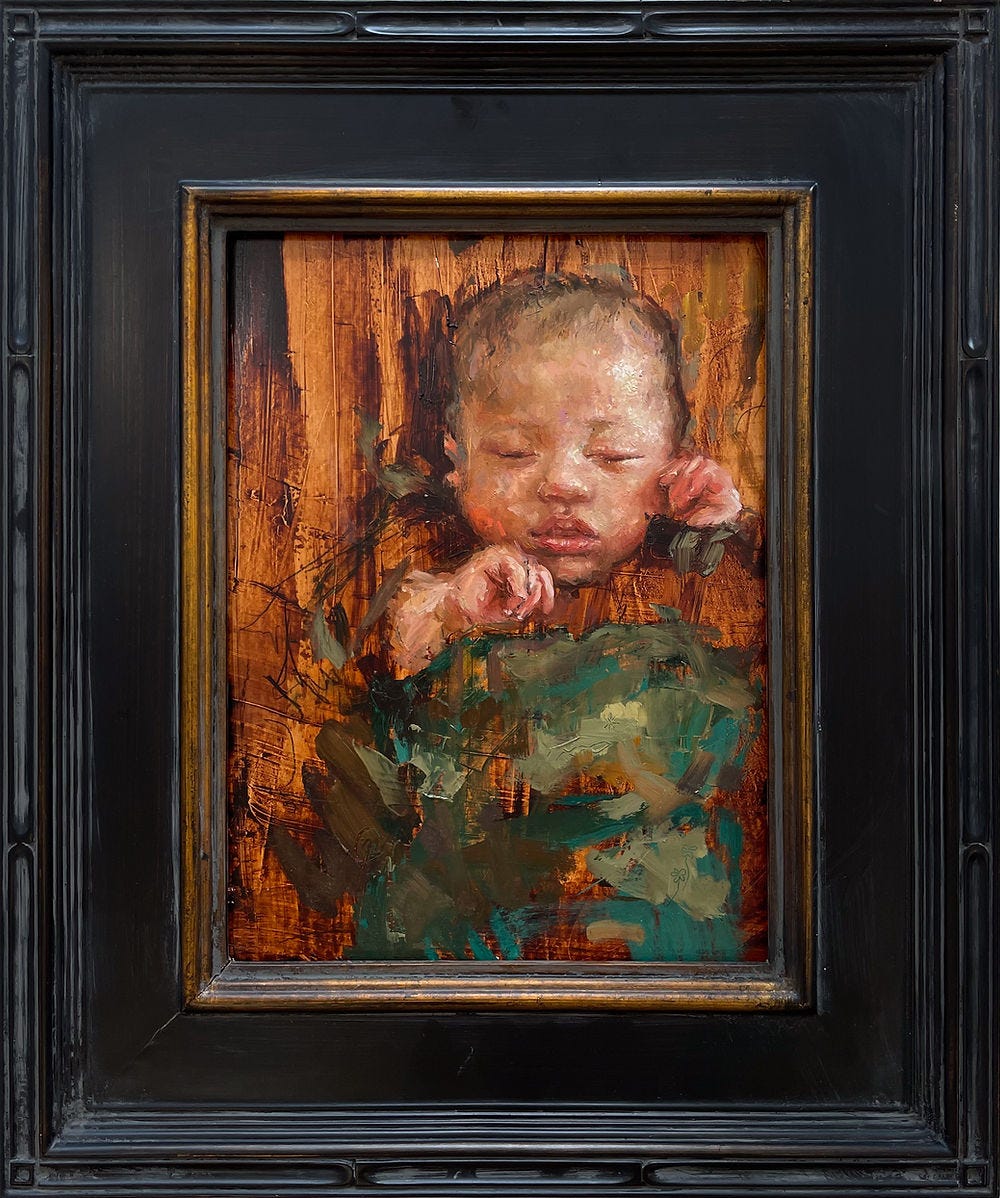
The incarnation is a game changer. God comes to where we are to bring us to where he is.
—Alister McGrath
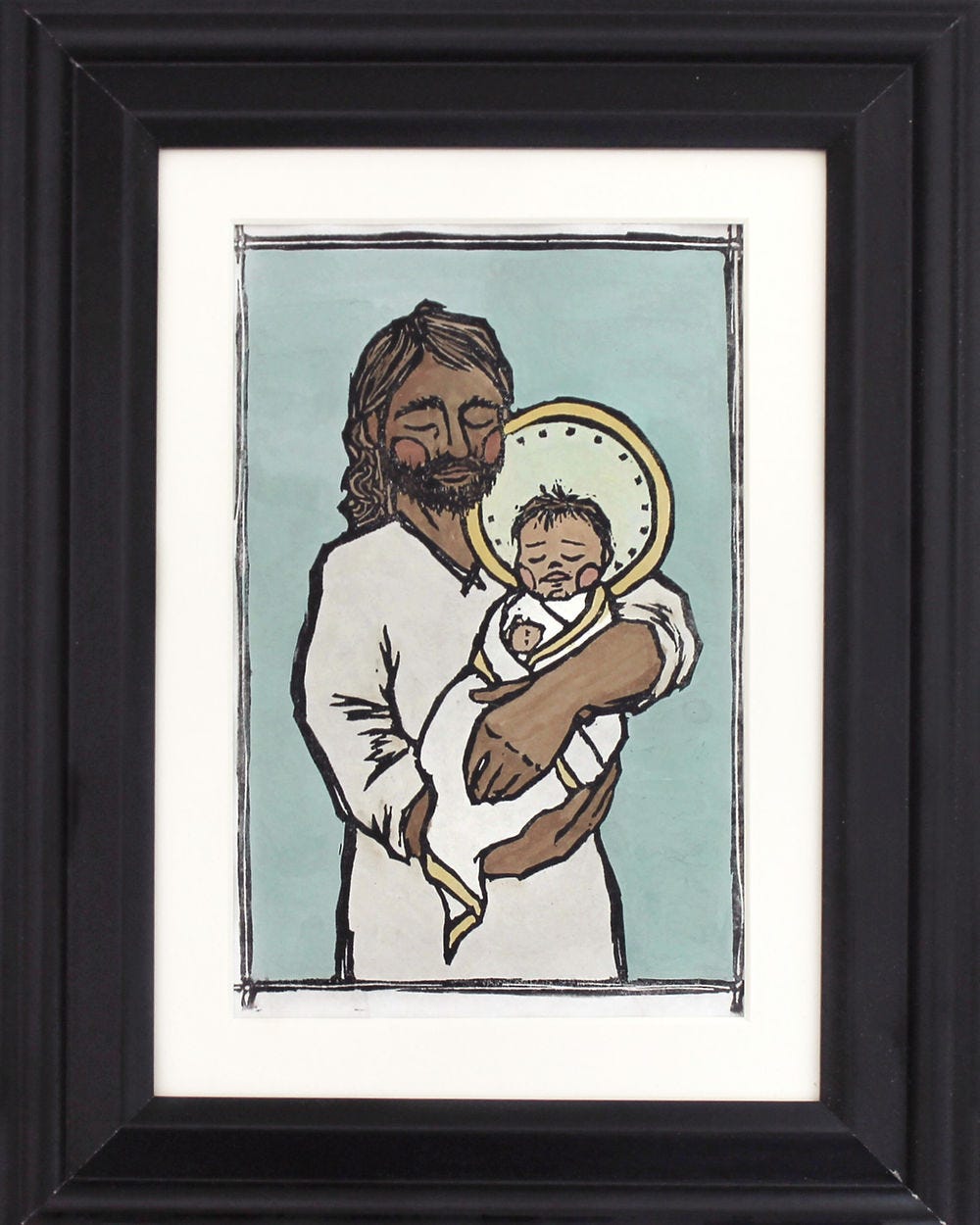
Where are we? We are in the mortal condition with our various characteristics of gender, race, and more. When God comes to us where we are, he comes to us as the individual we are, with all of our characteristics. Therefore, for a person to encounter God where they are through art, it may be through representations that they can recognize.
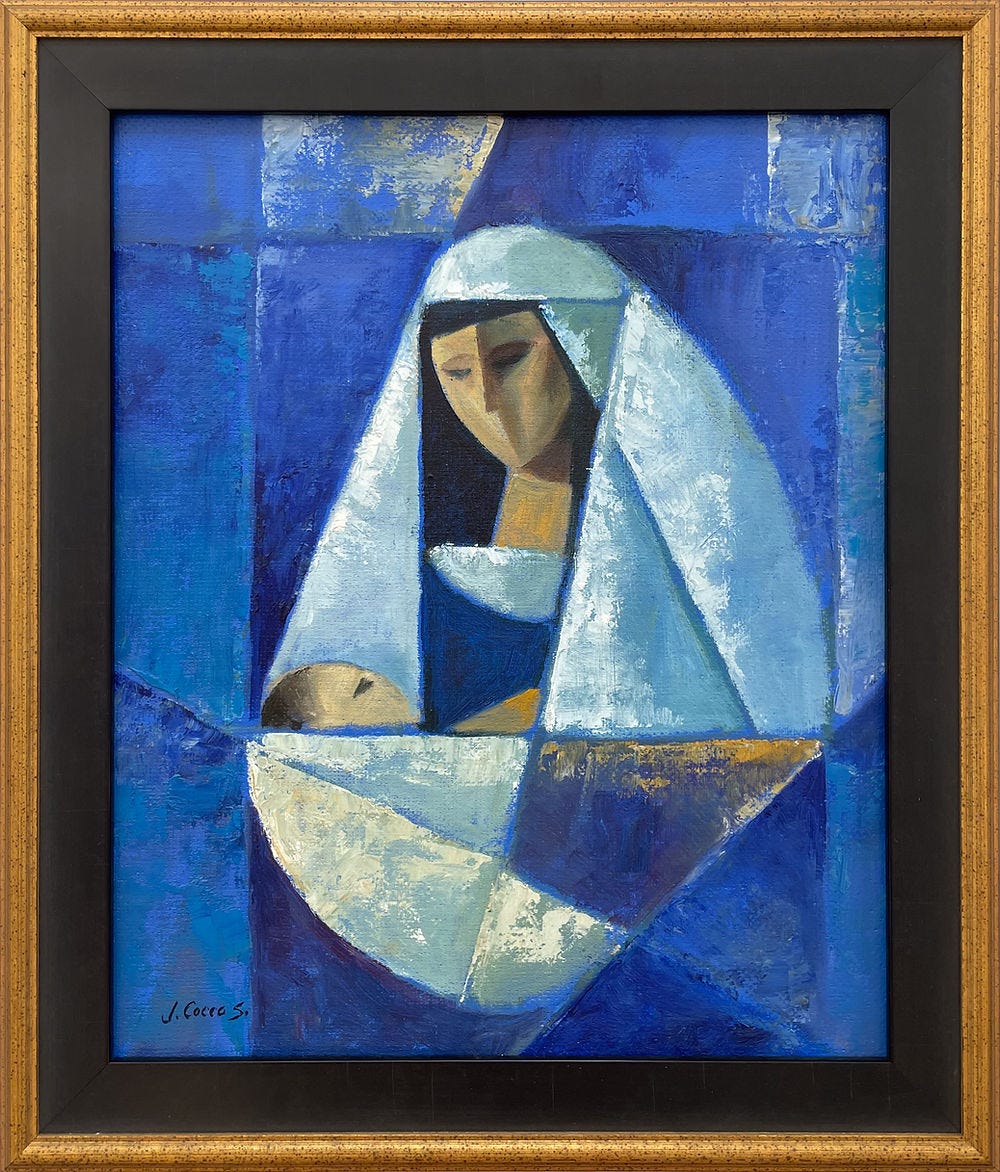
For me, these artworks do not restrict who God is, nor do they distract from my worship of him. Rather, they enable me to understand that God is the God of the whole world, and anything that can help us find him is to be counted as good.
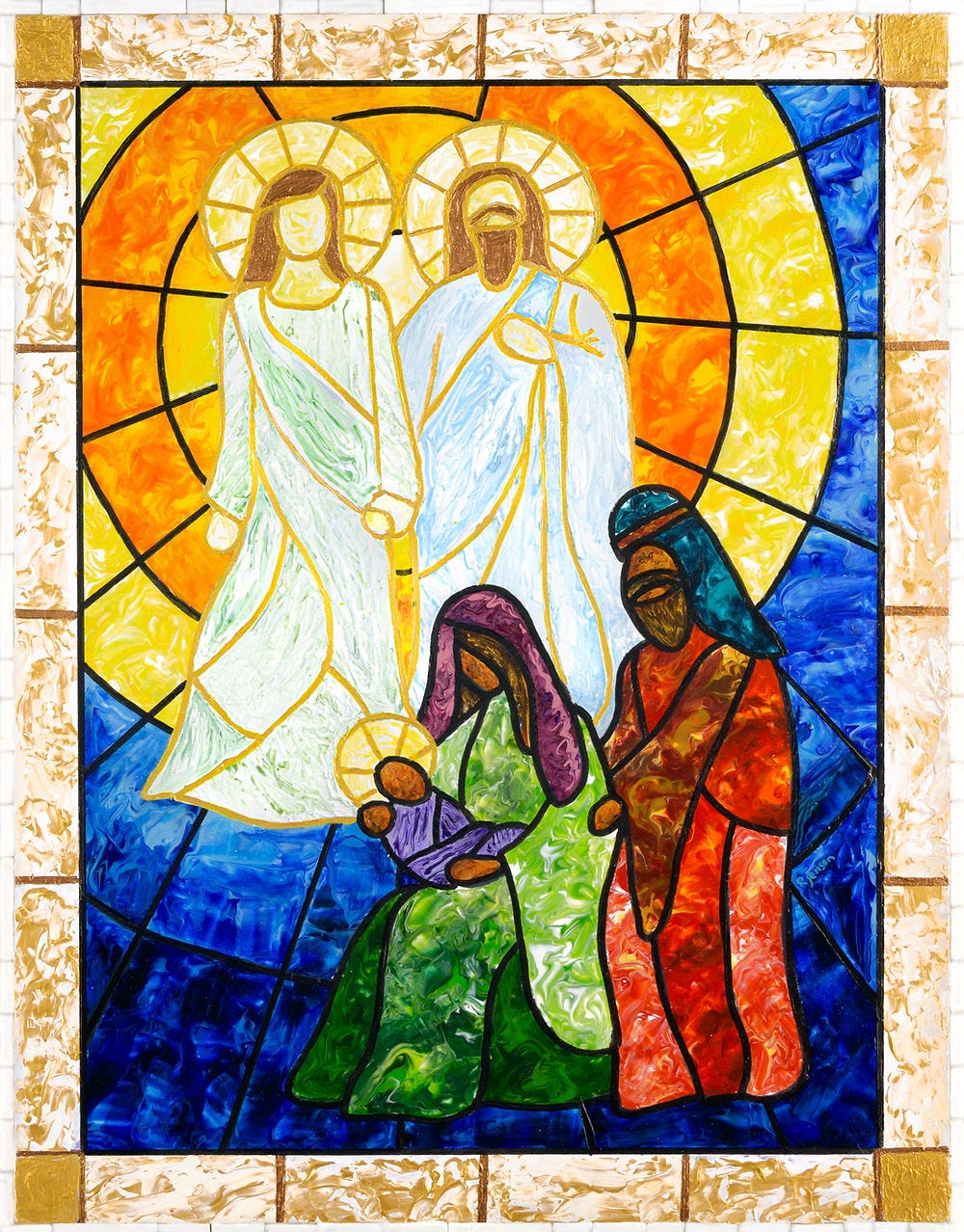
In my own faith tradition, there is a passage from scripture that states:
For behold, the Spirit of Christ is given to every man, that he may know good from evil; wherefore, I show unto you the way to judge; for every thing which inviteth to do good, and to persuade to believe in Christ, is sent forth by the power and gift of Christ; wherefore ye may know with a perfect knowledge it is of God (Moroni 7:16).
Bruce R. McConkie reiterated that this extends to art:
The Spirit of Christ is the medium of intelligence that guides inventors, scientists, artists, composers, poets, authors, statesmen, philosophers, generals, leaders, and influential [people] in general, when they set their hands to do that which is for the benefit and blessing of their fellow [people]. By it the Lord guides in the affairs of [humanity] and directs the courses of nations and kingdoms. By it the Lord gives ennobling art, the discoveries of science, and music like that sung in the courts above.
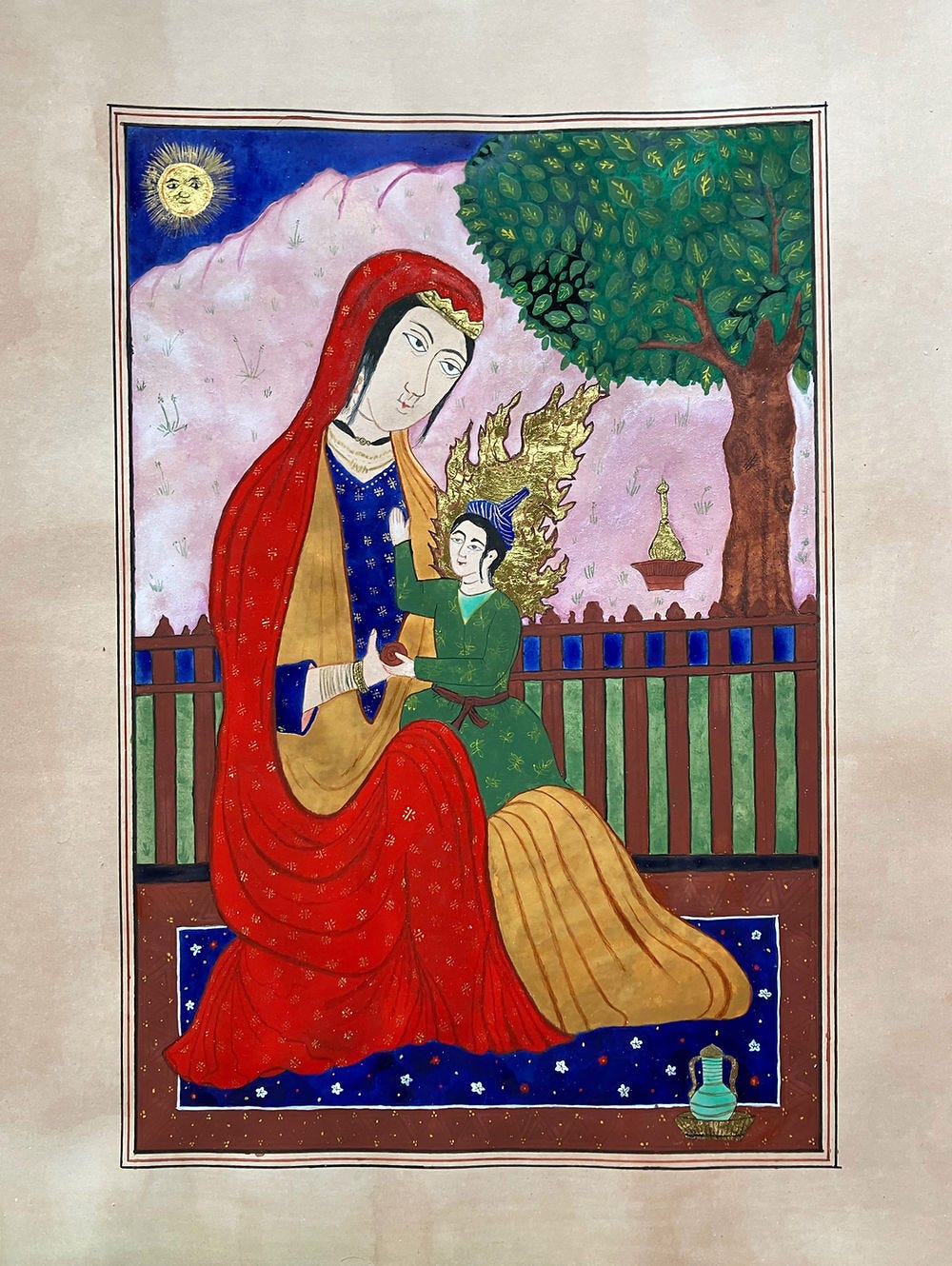
Recognizing all people as members of the body of Christ helps us to celebrate and integrate the Church and kingdom of God. Finding ourselves represented in the kingdom of God is crucial in understanding our relationship with God. I suggest that to create diversity in our art and worship is to replicate the diversity of God’s creation.
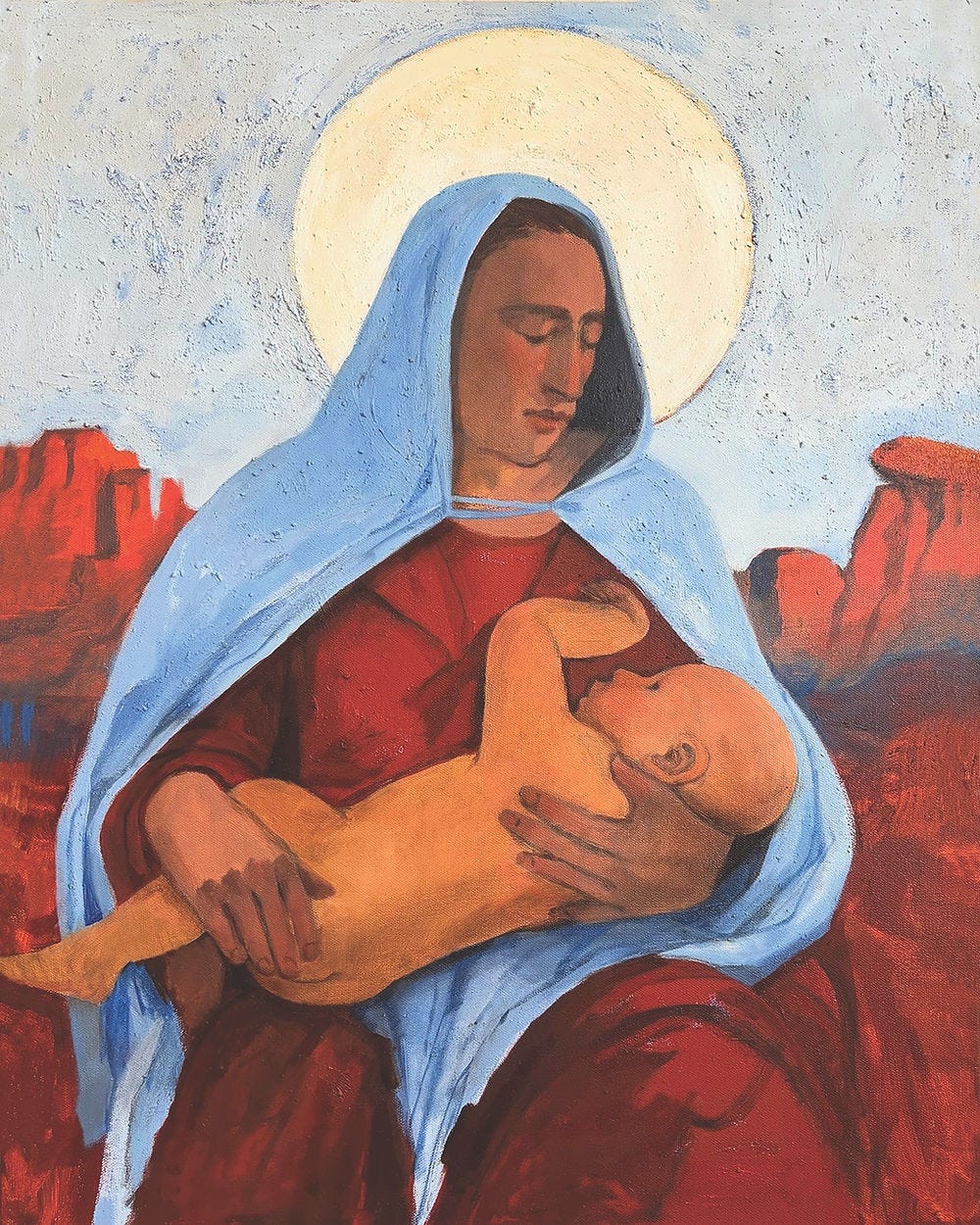
We have the responsibility to know one another, not to be threatened by what some would perceive as the ‘other.’ We might be challenged to question our attitudes and received norms, and that might be difficult, but there is, as Dietrich Bonhoeffer suggested, a cost to our discipleship.
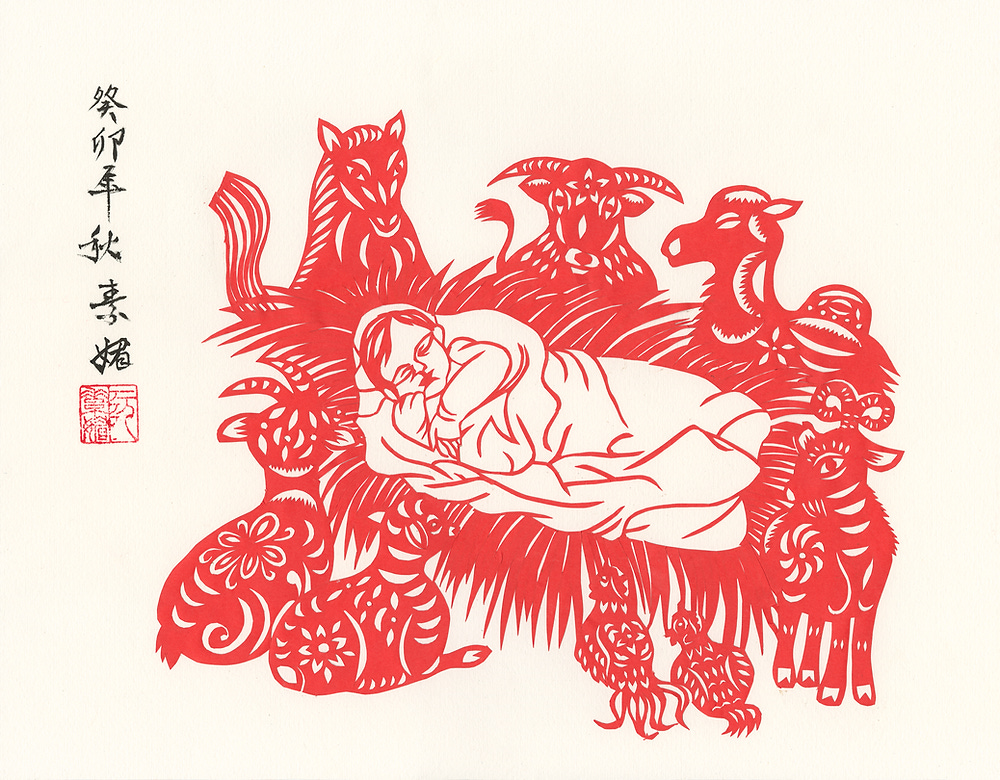
Central to my faith is the idea that Christ is the Saviour of all, regardless of anything that might be used to divide. It is through this lens that I view these pieces of art, recognizing that it is through our contextual and cultural lenses that we come to Christ as his disciples.
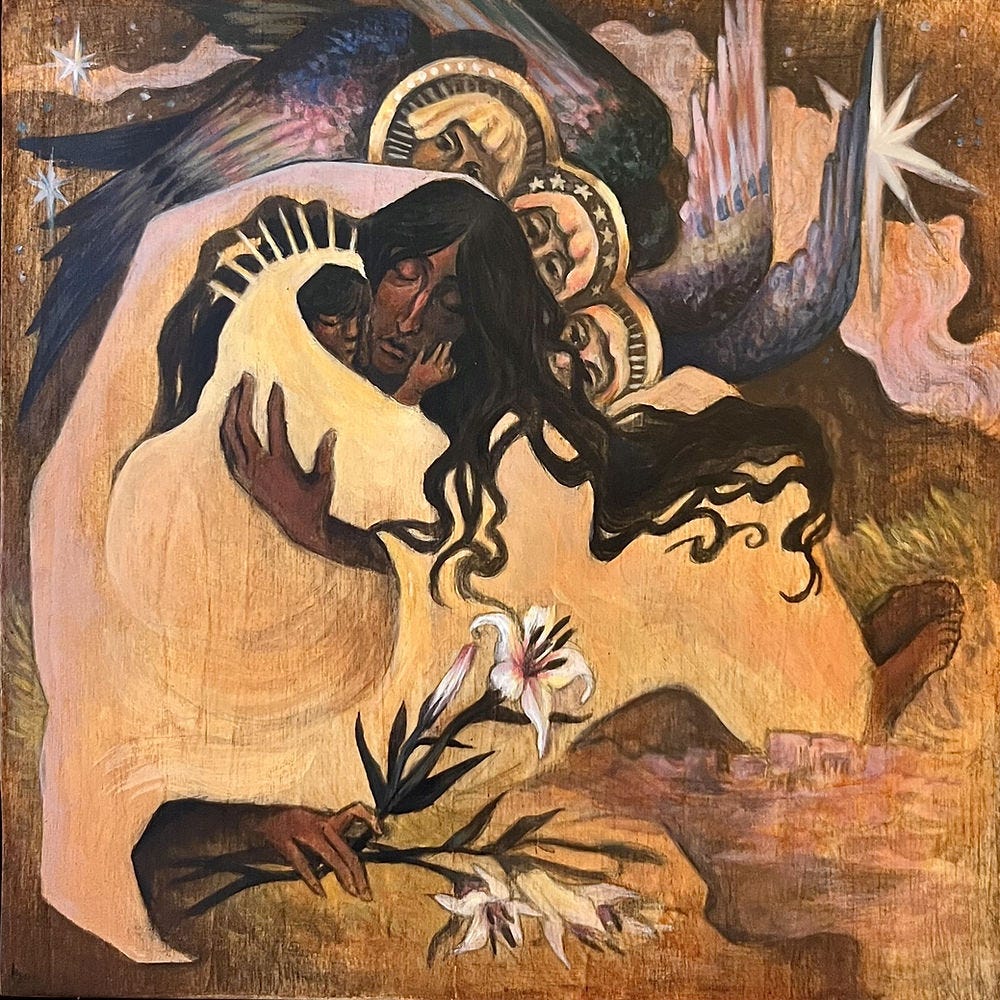
Indeed, all representations of Christ are also reflections of our contexts. These include the written expressions of faith that we find within the Gospels. The two Gospel writers who included the Nativity story chose events that reflected different perspectives.
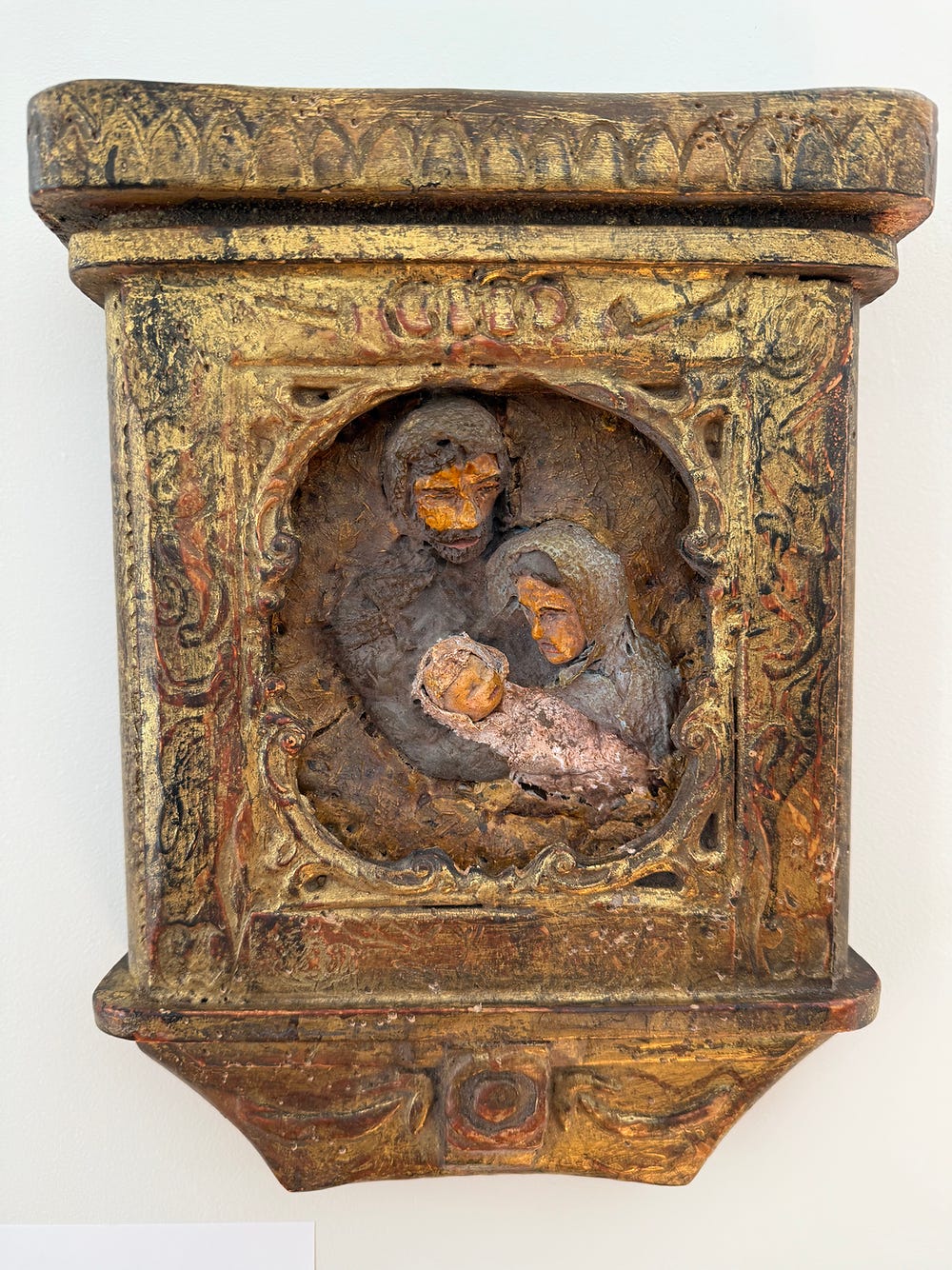
Art has always been a reflection of the artist’s context as well as their beliefs. Each piece of art tells us about the events of the Nativity and also about the faith and context of the artist.
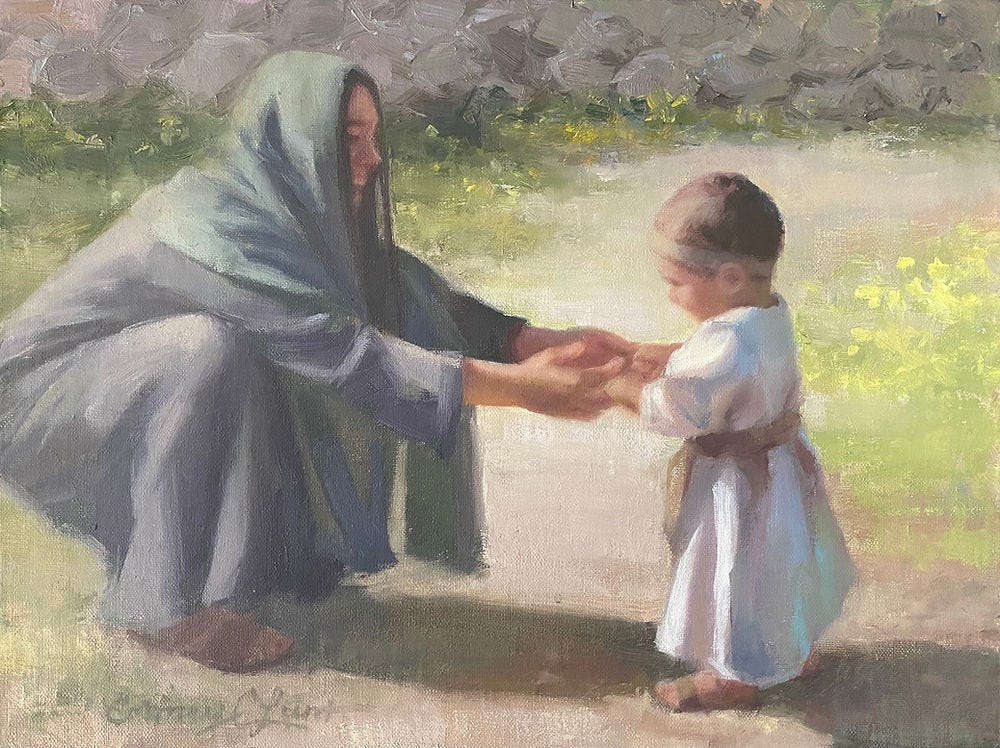
As much as the artist’s motivations are important, so too, as with all art, is my response as a viewer or consumer of art. Various images of the Nativity are an invitation for individuals to consider how and why they respond to a particular image in the way they do.
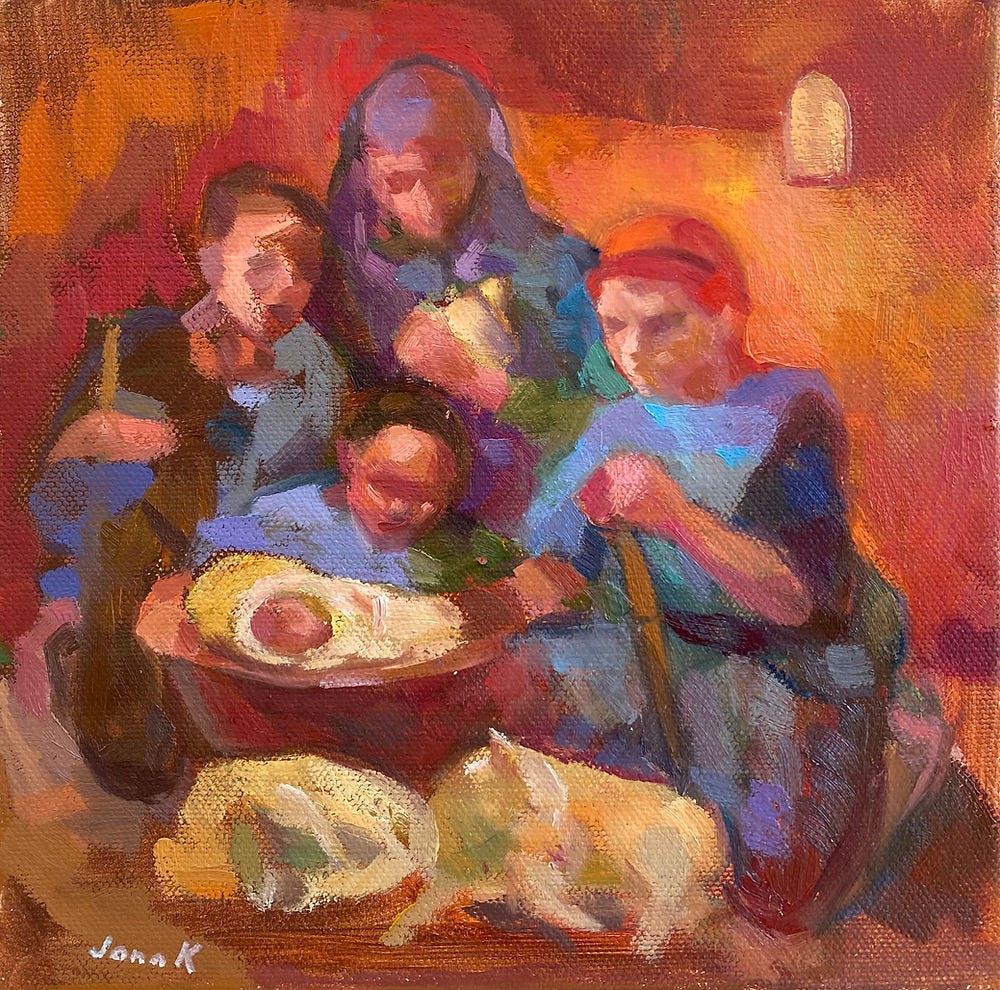
We learn a lot about ourselves in our response to art. A third space between an observer and a piece of art enables a person to transform their understanding of themselves and their faith.
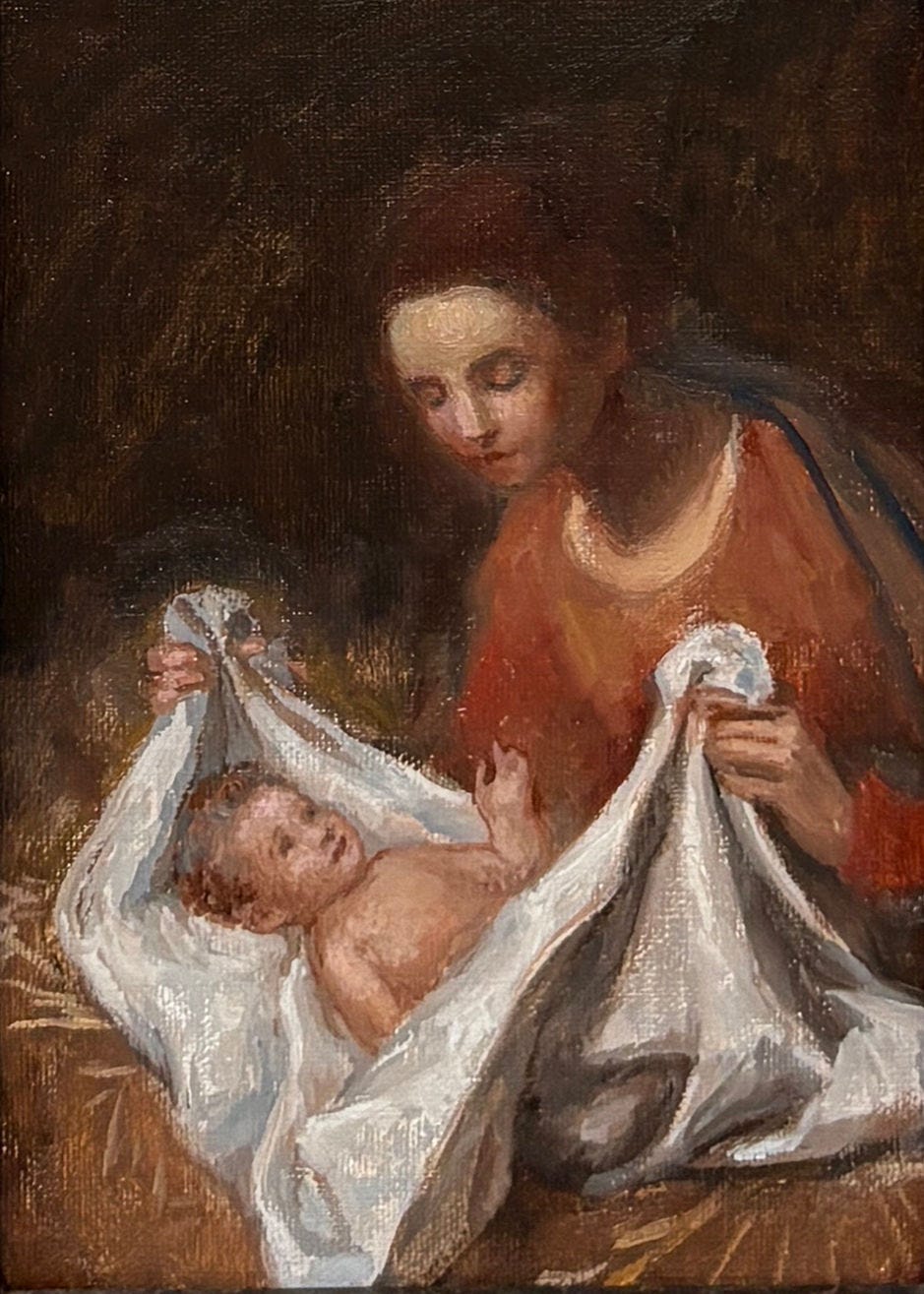
We cannot help but be changed by engagement with truths and art. The benefits of engagement with truths are not just greater insight, but also a greater understanding of who we are. That is the beauty of art—it can create discussion and help us understand who we are in relation to God and to others.
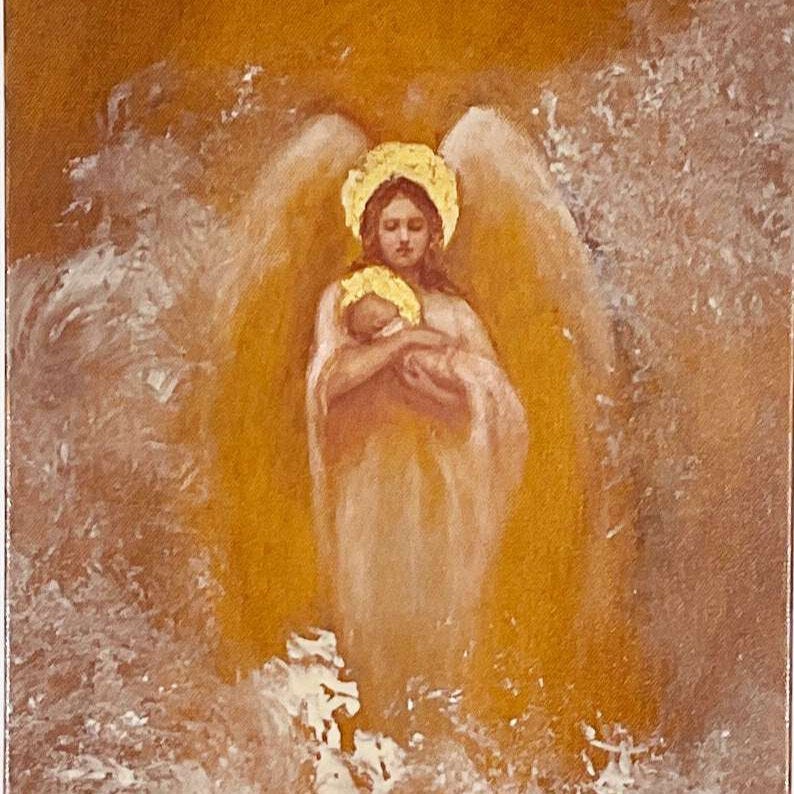
At the end of everything, there are many reasons why the use of diverse images of Christ is important. The art we see may be challenging to us and where we are, but it is transformational as we find ourselves and others in the images we use, and the kingdom of God of which we are a part. Art is media that enables God to come to us where we are.
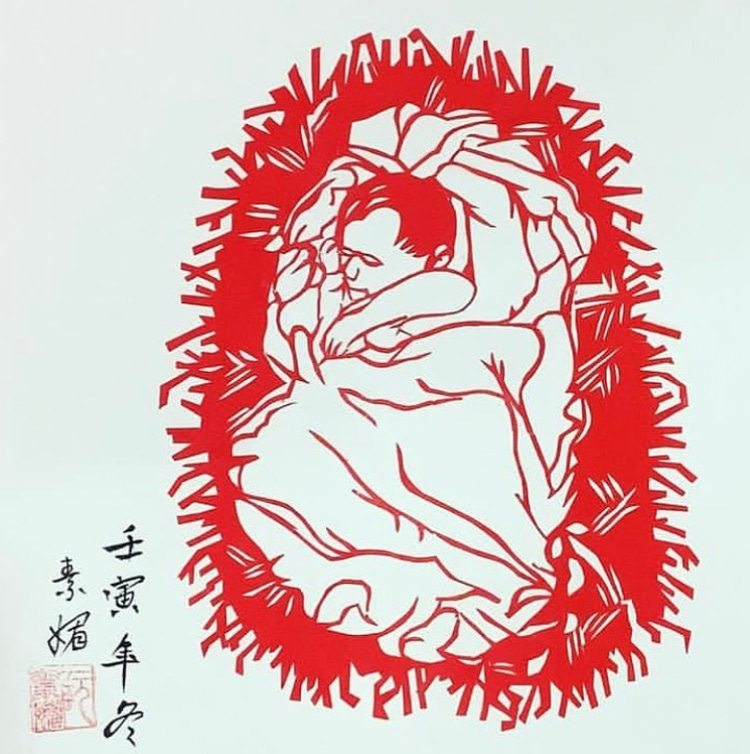
Visit The Compass Gallery to see all of these works and more during the AlterNativity show.
Commentary by James Holt, an Associate Professor of Religious Education at the University of Chester, UK.
Art curation by Cecelia Proffit, the social media editor for Wayfare.
