


By the time my youngest brother, Baden, and I arrived at the Spokane Valley Hospital in Washington state on Wednesday, November 13, 2025, our mother, Kathleen Jolley Fox, was no longer truly communicating with others. Baden and I, residents of Nevada and Kansas respectively, had the furthest to travel out of our seven other siblings to get to our mother’s bedside. Afterward he and I spoke to each other, wishing that we’d called from the airport that morning for the chance to speak with Mom before she began her final decline. But at least we were able to be there with all our brothers and sisters when she passed away, and that was the most important thing.
Like all my siblings, I had time to hold my mother’s hand and listen to her breathing slowly weaken throughout the afternoon. She had still been conscious and speaking with my siblings that morning, following the family conversation on Zoom the previous Tuesday evening, when our mother decided, in agreement with the doctors tending to her, to not pursue another rather risky surgery, and instead to forego any further palliative care, which in turn meant we all recognized our need to journey quickly to our old home state of Washington, to be part of the inevitable. But after the pain drugs she was given around midmorning, she fell into a slow torpor, which continued for another full day. I don’t know if she was ever even aware of me while holding her hand. When one of her oldest grandchildren, McKenna, arrived at our deathwatch later on Wednesday afternoon, Mother rallied enough to say her name. She also, that evening, as discussion was taking place about who would stay in her hospital room overnight, abruptly said that she wanted her second daughter, Marjorie, to stay. And then very early on Thursday morning, as nurses moved her to prevent bed sores and check her dressings, she moaned and struggled and pushed back loudly. But other than that, there was no interaction with anyone around her, nothing that could give Baden and me any reason to hope for a final connection before her end.
Except, actually, for one other interaction, one that stays with me strongly, though it was completely silent. It involved another of my brothers, Philip, who on Wednesday afternoon attempted to give our mother some ice chips, seeing as she hadn’t eaten or drunk anything since first thing in the morning. I was standing near her bed and saw Mom’s reaction. Her eyes were suddenly sharp, shooting daggers at Philip; she tightened her closed mouth, shook her head, and her hand and fingers flailed in opposition, rebuking his efforts. I watched this, and thought: She’s dying, and knows she’s dying; she can feel herself passing away, and wants it, and absolutely does not want anyone, not even a beloved child, to interrupt or prolong the process. What I heard, silently, was very clear: Leave me alone; I’m done; let me go.

When I was in high school, I had a copy of Dante’s Divina Commedia. I didn’t purchase it because I had any preternatural interest in late medieval poetry; actually, I probably bought those volumes solely because of a comic book I’d liked that had made use of Inferno in describing the origin of a particularly diabolical supervillain. Nonetheless, I not only read all the way to the end of the first book, but worked my way through Purgatorio and Paradiso as well—and one part of the latter has never left me.
Towards the very end of the Commedia, the final stage of Dante’s imaginary travelogue through the afterlife, he is ushered into the Empyrean, wherein dwells God himself. His eyes behold a beatific vision: a realm of pure light and pure love, wherein all the angels and saints and saved are arrayed endlessly and all around the radiant personage of God, like petals surrounding a glorious, celestial rose. Of those within this state of perfect and complete bliss, Dante writes: “There is a light above, which makes / Visible the Creator unto every creature / Who only in beholding Him has peace” (Paradiso, canto 30, lines 100–102).
It’s difficult to figure out exactly why this invocation of divine peace—a peace that comes from simply being, at the end of all things, able to look upon the Creator, eternally—has stayed with me for so long. Much of it, surely, is tied up in the many complicated ways I have, over the decades, tried to situate my own sense of God’s creation and purposes within my own spiritual experiences, my membership in the Mormon church, my always-evolving understandings of scripture. But at least part of the reason it has stayed with me, I’m certain, is Mom.
There were seven boys and two girls in the Fox family, and our father, James Russell “Jim” Fox, was charismatic and commanding, though not someone who strove to be comprehensively involved in the lives of his children. So long as our basic behavioral choices reflected his and Kathleen’s deep commitment to the LDS Church, perfect harmony was not something Dad expended a great deal of energy attempting to achieve. Predictably, especially when one adds the variables of being raised in the 1970s and 1980s on farms that had plenty of open pasture and thick woods and multiple mostly-empty old buildings to wander around, hide, and plot revenge in, ours was a family of young people who were regularly shouting at, fighting with, and sometimes bleeding on each other.
Mom did not deal well with this chaos. She loved her children absolutely, but the constant craziness and near-constant contention was absolutely wearying to her, and her own inability to respond to it correctly, at least in her mind—to keep the house clean, to keep herself presentable, to keep the children quiet, and so forth—filled her with frustration. (She would reminisce with me occasionally in later years about coming into my bedroom while I was growing up, and just sitting on the bed, soaking up the calm environment created by her neat-freak son.)
Kathleen was, by all appearances, a happy and kind woman during the busiest years of our growing up. Still, the weariness and the sadness that attended her was undeniable as well. Once, during a family meeting wherein Dad was attempting to lead his rambunctious brood in developing a family motto, Mom, who had written “Love One Another” on a pad of paper where she was keeping track of suggestions, scratched it out as the family meeting descended into another one of its all-too-frequent bouts of chaos and wrote “Hate One Another” in its place. Add to this her long struggles with health issues, with being overweight, with what would almost certainly be diagnosed today as depression, and her regular retreats to quiet isolation with her movies in her bedroom are no surprise.
At one point our father became a passionate fan of Taylor Hartman’s thoroughly unscientific “Color Code” personality assessment; he and Kathleen took the test and all the older children did as well. Dad was, unsurprisingly, a strong Red: assertive, inventive, a born leader. I asked Mom what the test revealed her to be. I was expecting that she’d be a Blue, the empathetic, maternal caregiver. I was surprised by her answer: White. “Peace,” she said to me on the phone. “I just want peace; I just want quiet; I just want everyone to get along and leave each other alone.” That’s something I don’t think I could have seen in my mother when I first read the lines above from the Commedia as a teenager, but it haunts me now.
Our father was busyness personified: always setting goals, making plans, starting projects, borrowing money, giving counsel, bringing lawsuits, getting sued, and more. He also embraced the folkloric associations surrounding the words of Joseph Smith presented as a revelation in Doctrine and Covenants 130:2—“That same sociality which exists among us here will exist among us there,” referring to heavenly glory—as doctrine: Unlike apostate Christianity, he believed, the Mormon heavens were hives of activity, of doing and building and planning and accomplishing.
Personally, I find that promise of Smith’s impossible to imagine actually being true. To me, the “sociality” of human existence, the phenomenology of our dailiness, is defined not by accomplishments but by near-endless banalities: delays, mistakes, confusions, generalizations, misapprehensions, and the thousand errors that give rise to the perplexity and consternation that everyone experiences. Not everyone experiences those things in the same way, of course, and some seem to move through life completely goal-oriented and future-confident. Still, the way the vicissitudes of embodied existence wear us down—as I believe they wore down my mother—is, I think, inextricable from being human.
Those who—like my father—fully embrace the folkloric implications of D&C 130:2 sometimes seem to want to deny the burning promise of salvific transformation. Instead, they prefer a heaven that is just a continuation of what we already have on earth. To the skilled who have spent their lives joyfully cracking their knuckles and testing their wits, this might not appear problematic. But if one can untangle oneself from Mormon folklore, one might also be able to imagine the eternities instead as being a place without all these social encounters and expectations. Maybe it could, instead, be a place of being seen, and loved, fully and finally, with no actions required and no responsibilities entailed. Maybe, just maybe, it could be like a beautiful rose, an endless celestial circle of petals full of light. Maybe it could be a place of rest, of peace.
I’m sure all these thoughts have been intensified and shaped by Mom’s struggles during the years which followed our father’s profoundly distressing death on September 19, 2016. The distress was not because of Dad’s suffering; his death was instantaneous, a random stroke while golfing alone early one morning. The assumption which everyone, including Mom herself, had long held was that Dad would long outlive his wife, and that he would be able to care for her and protect her privacy until her end. With the terrible loss of her husband of fifty-one years, Mom’s life was upended. In the years that followed, she was sometimes able to enjoy stretches of stability and peace on her own at Foxhill, the cabin my father had built for them to retire to and host their grandchildren in. But in time, her ability to take care of herself dramatically declined, and her demands on her children who lived nearby—including a refusal to accept their arrangements for medical professionals to visit her at the cabin—reached a breaking point. Up until the very day we moved our mother into a full-time care facility, she wanted to stay at her home. Her move was painful, not just because it moved her from a place of beloved memories, but because it meant a change in the patterns that she’d tried so hard to rely upon.
Perhaps, in the end, our mother was simply tired of all the trying and waiting—waiting for her body to finally shut down, waiting for her to be reunited with Jim. She talked about wanting to die casually with her children and grandchildren; while sometimes her time at the care facility enabled her to make new connections, more usually she would fall into ever more sad and slow routines, separating herself from church, finding even close associations with her children sometimes hurtful and depressing as her expectations shrank further and further. Eighty years, after all, can be a very long time.
When her health seemed to require yet another trip to the hospital, yet another surgery, yet another set of burdens (her next intervention would have resulted in a colostomy bag, a continued increase in the likelihood of infection, and likely even more pain), we all could understand her decision. The very last words that I spoke to her that I know she heard, on the aforementioned Tuesday evening phone call, were words of trust: “You know your body and spirit better than anyone, Mom—we’ll support whatever you do.” She thanked me, as though it was I who needed to give her permission to make the most personal decision imaginable. I doubt she felt the preoccupations that haunt me now—but that doesn’t make them less true.
Kathleen Jolley Fox died on Thursday, November 14, at 1 p.m., less than two days after entering the hospital. By early in the afternoon, her breathing had slowed even further, and her face was turning pale. The family decided it was time, and all seven of her sons laid our hands upon her body to pray, with my oldest brother, Daniel, giving voice to our desire that she be released from this life. And she was. I hope, immediately thereafter, she found herself in God’s glorious presence, a petal enveloped in love and light and a timelessness free from any kind of wearying work and waiting. But I also hope that there is, somehow, some element of Mormon folklore present there as well, so that my father can find joy in making himself weary with all sorts of organizing, serving, planning, doing. And I hope that when he takes an occasional rest from his work, he can be like a bee landing on a flower petal—because the mother I saw and knew and loved would, I think, likely rather simply abide quietly, restfully, and attentively in the presence of her eternal partner, more than anything else God’s eternity could provide.
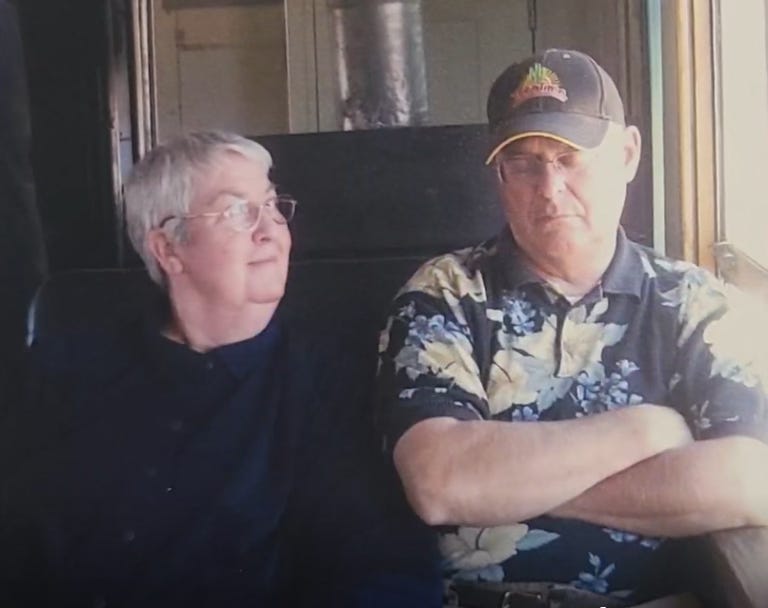
Dr. Russell Arben Fox is a local democracy expert who comments on Kansas politics, contributes to Front Porch Republic, and has published widely in academic journals. He lives in Wichita where he and his wife raised their four daughters.
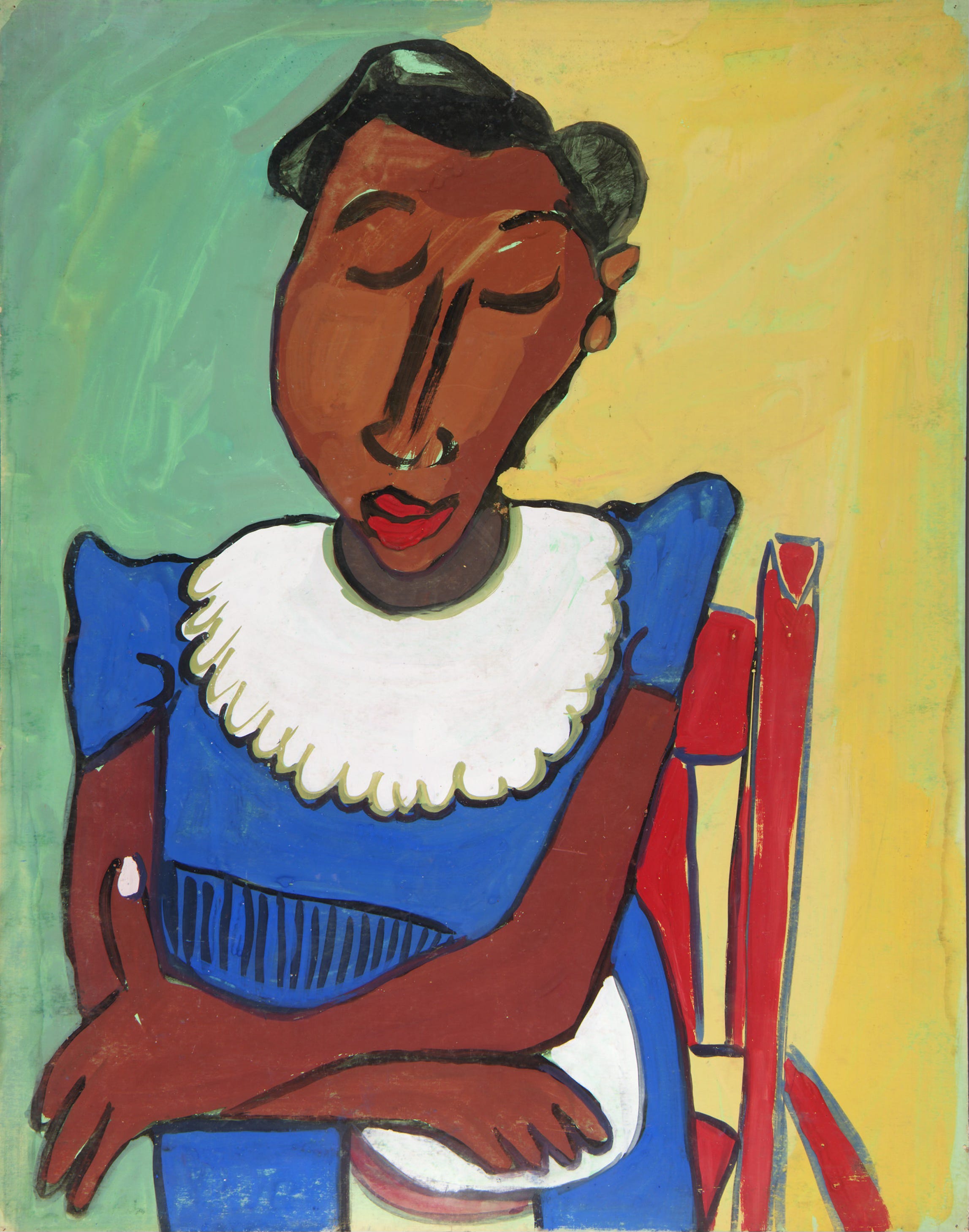
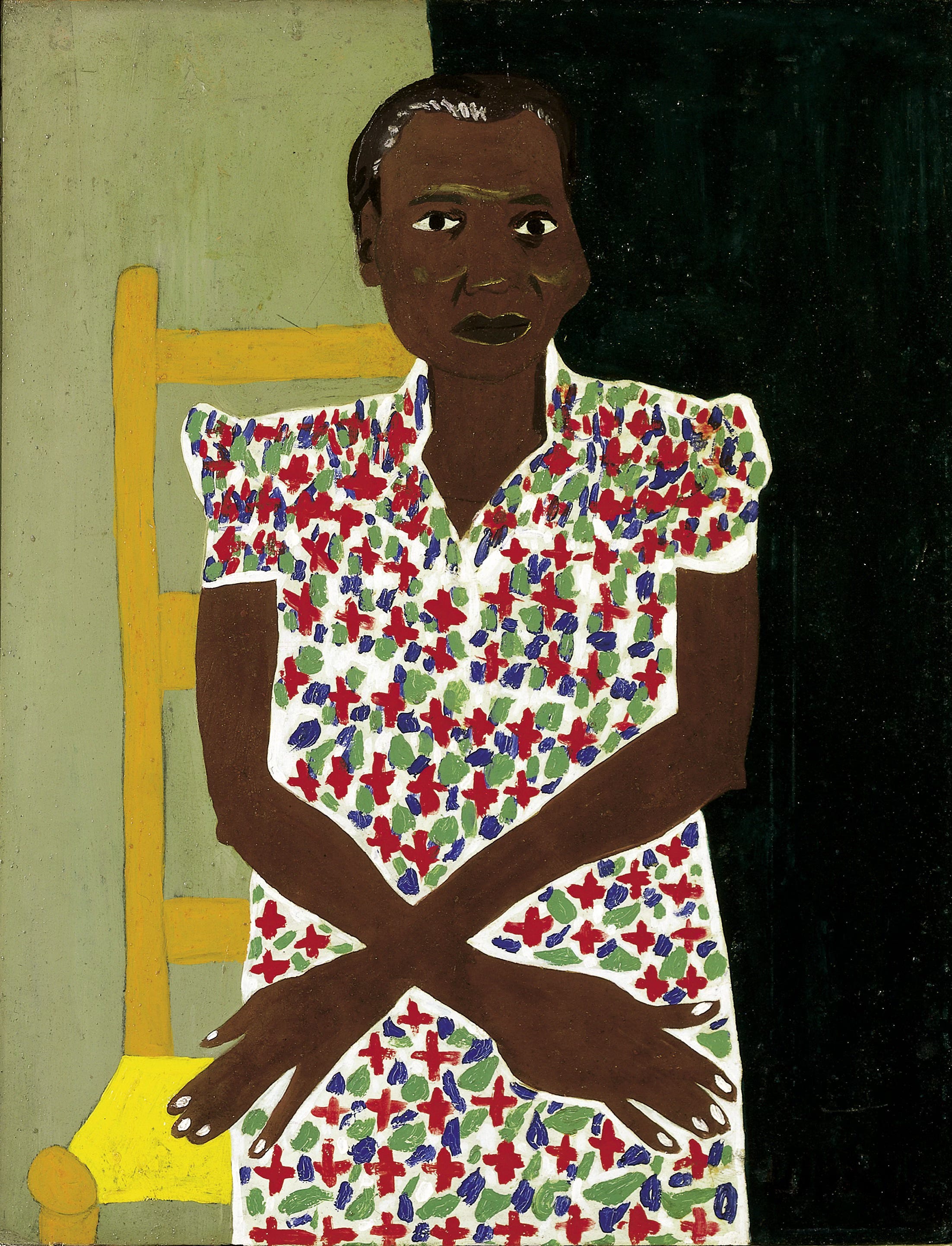
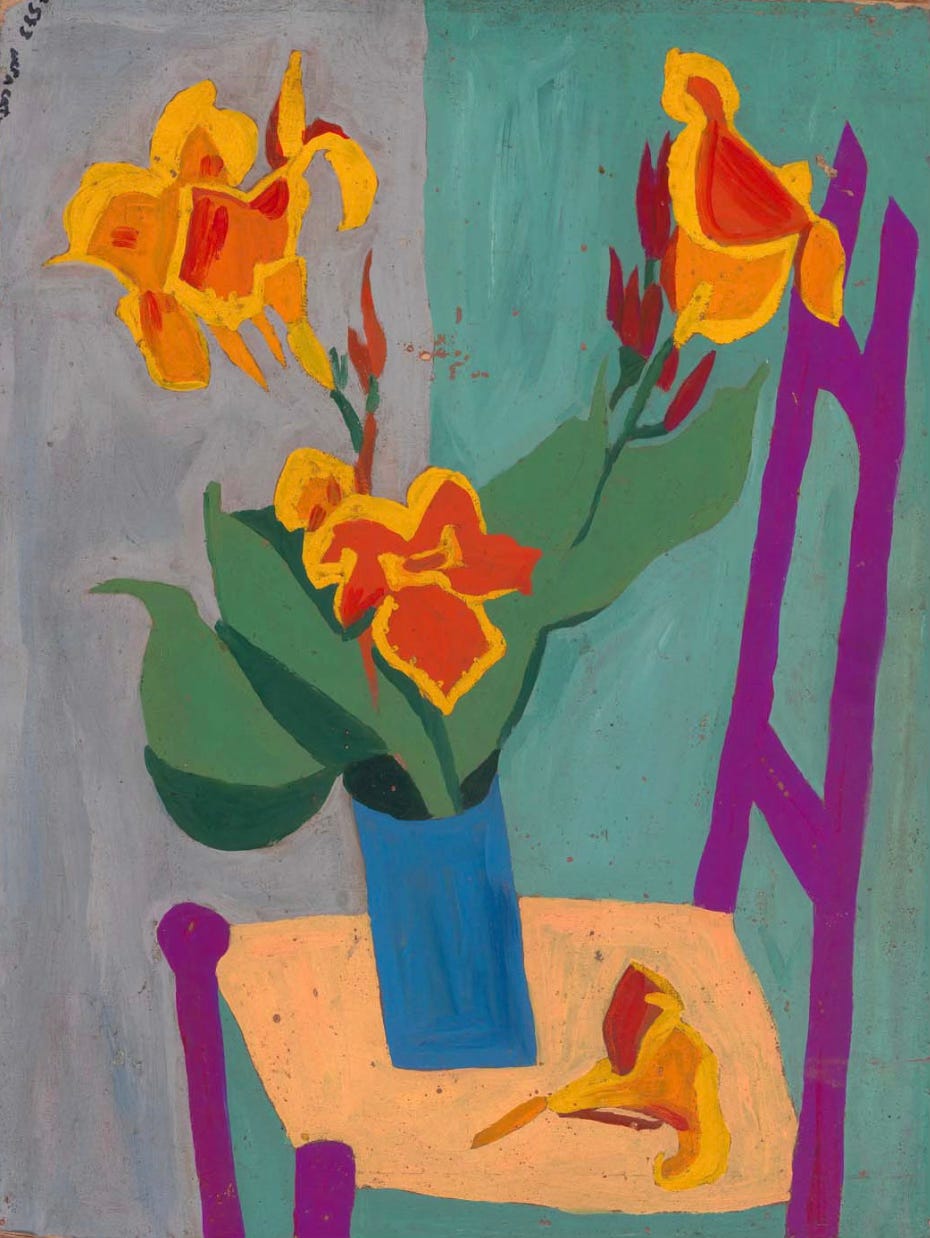
Art by William H. Johnson (1901–1970).
