


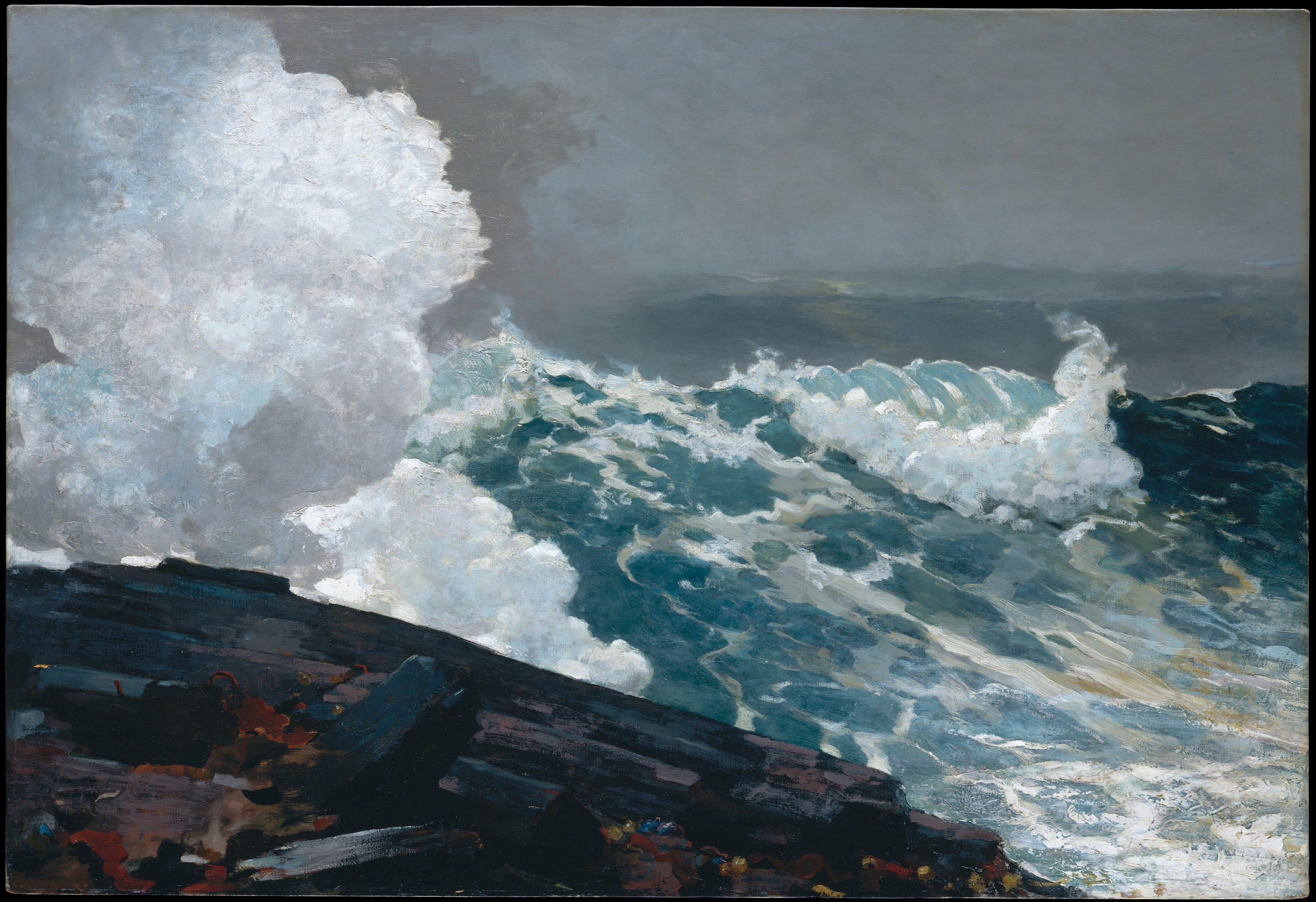
The woman kneels in the sharp grass at the water’s edge and gently sets a handwoven basket into the cold current. A forbidden child sleeps inside. The mother has defied Pharaoh for as long as possible. She can no longer hide her son; he has outgrown her protection. Jochebed checks once more to ensure no water is entering the vessel she has prepared with pitch and straw, the meager resources of a Hebrew slave. The basket is tight, secure. She glances around to make sure she is undetected by the soldiers who guard this part of the Nile. She looks in at her boy, and the ache deep inside starts to rise. God has guided her to do the very thing Pharaoh decreed—throw her Hebrew son into the water. How will he survive the dangers, the currents, the evils lurking beneath? Where will the water carry him? She forces herself to push past her fears and begins to close the basket. For the last time, she reaches in and gently brushes the boy’s hair from his forehead. At her touch, she sees again, with savage clarity, the vision.
It first came just after her baby crowned, after Jochebed pushed into the sacrificial fire of childbirth instead of pulling back. Puha, the midwife, breathed in wonder and whispered, “The child is still within the veil.” As Puha’s hands gently opened the sac to draw out the child, water gushed forth, and with the flood, divine sight:
The color blue-green, everywhere. A deafening sound—the roaring of water. A fierce current, unyielding and inescapable, driving a small vessel toward a foreordained destiny. Separation. Confusion. Followed by dominance. Position. Wealth. Jochebed, trembling, knows it is the child’s destiny. Water, everywhere. Power, immense. Rejection. Meekness. Pain. And finally: A burning tree that does not consume. Glory. God . . .
The vision fades. Jochebed has seen, like the prophetess Sarah, Mother of Israel, that her son is destined for greatness. She knows, somehow, that the water that was meant to destroy will deliver him. It is this assurance from God that has given her the strength and the wisdom to prepare this vessel—this ark—that will carry him safely through the water. And yet, Jochebed hesitates. She watches over her son a little longer. She basks in his loveliness, trying to memorize his small features. The child is heavenly, possessing a beauty uncommon even among the Egyptians. Her son is strong yet vulnerable, only months old. Her certainty about casting him into the water has begun to fade when Miriam’s voice brings her back.
“Mother. Mother!”
Jochebed spies her daughter’s face across the river, hidden in the reeds. Miriam, her eldest child, who awoke that morning with the idea that she was quick and small enough to hide undetected and watch where the water would carry her brother, is now frantically pointing. Jochebed glances around and sees an Egyptian soldier coming toward her. Quickly, she secures the top with a leather strap, pushes the basket into the Nile, and stands up. She has agonized about this moment for months, and it is over in an instant. She grabs her water pots, turns, and waves her arm to draw the soldier’s attention away from the water. It works. He has not seen the basket floating downstream. Unconcerned, he follows as she walks back to the settlement.
With each step, as the distance grows between Jochebed and her children, her faith and resolve threaten to break. Will they survive beyond her reach? Did she use enough pitch? Will Miriam know what to say if she is caught? With mounting fears, she parts her lips and prays. Please, God, let the water guide and not destroy. Please, let Miriam, so quick and wise, witness her brother’s deliverance.
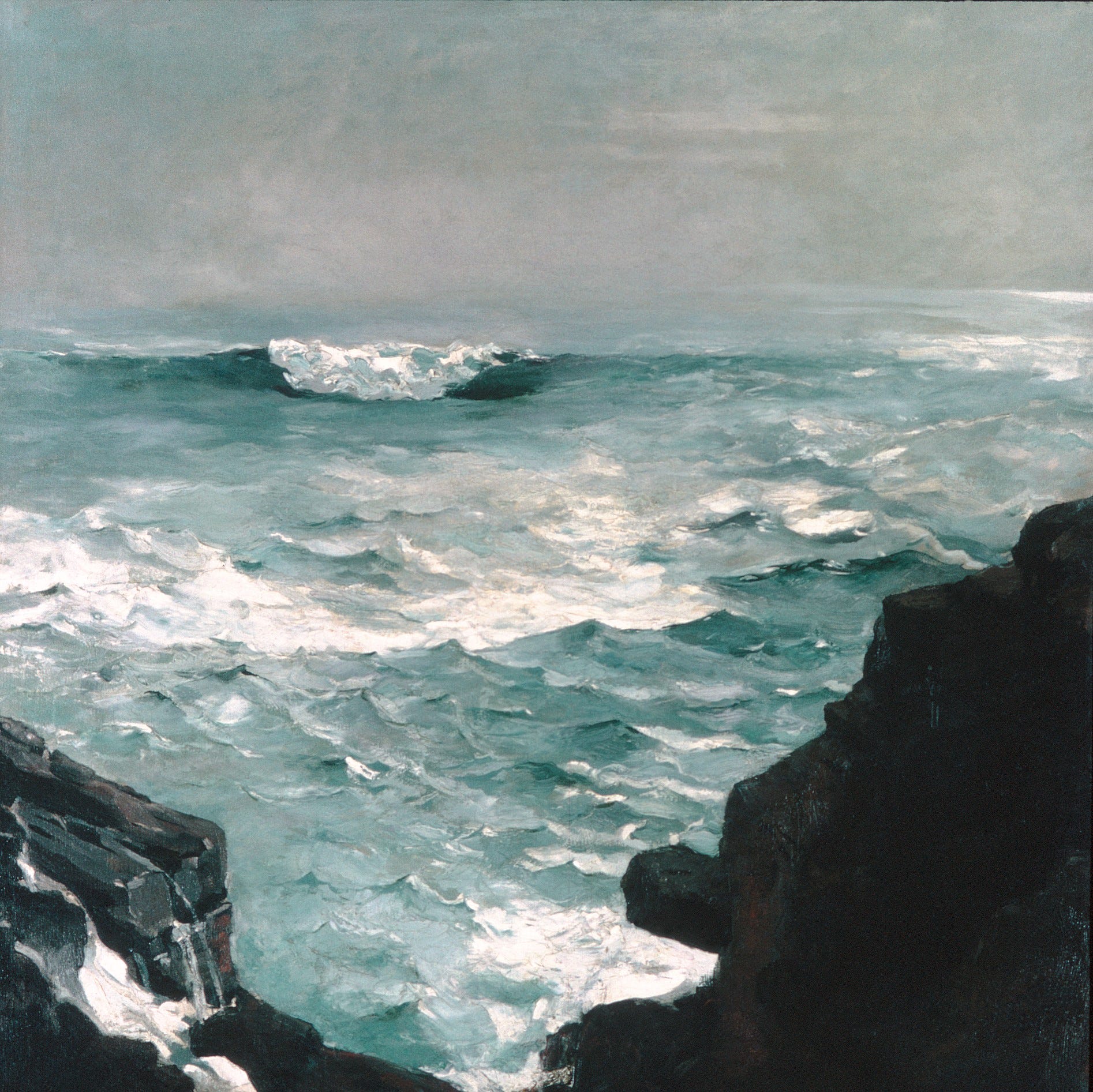
Deliverance. The word wraps around her like a shawl. Jochebed begins to hum the words of a song the elders of Israel have sung for decades about the God of Abraham, Isaac, and Jacob. She can hear the deep, harmonious voices of the sons of God, bringing peace to her soul:
Who is he? The Deliverer. The Mighty Deliverer. Who delivered Abraham an heir—the first of a nation as numerous as the stars in heaven, causing life to bloom in the barren desert of Sarah’s womb.
Who is he? The Deliverer. The Mighty Deliverer. Who delivered Isaac from the altar of sacrifice to test both him and Abraham, and provided a ram in the thicket.
Who is he? The Deliverer. The Mighty Deliverer. Who delivered Jacob from famine and brought his beloved son, Joseph, long thought dead, back to him again.
O, Who is he? Who is the God of Abraham, and Isaac, and Jacob? He is the God of Deliverance—the God of Miracles. And he will deliver Israel once more.
As Jochebed finishes the song, she stops on a hill close to home. At last, she dares to look back toward the river, wondering where her son has been carried, hoping Miriam has seen. She watches and waits, needing deliverance. Then, in the distance, she sees Miriam running. As she draws closer, Jochebed sees that her face is streaked with tears. Her legs buckle beneath her. What if?
Kneeling, she hears Miriam shouting, laughing. Miriam’s tears are tears of joy! She throws her arms around her mother and explains that the waters carried the basket to Pharaoh’s sister, who heard the baby crying and had compassion on him. He was too beautiful! She believes her gods have brought him to her. She will raise him, but she needs a wet nurse. “I told her I would bring someone. Come, Mother! Come quickly.”
Jochebed takes Miriam’s hand, and as they race back to the river, her mind repeats the words of the ancient song again: Who is he? The Deliverer. The Deliverer! The Mighty Deliverer.
Miriam leads Jochebed to the porch of Pharaoh’s sister. The baby continues to wail. It is a strange sound. She has never heard him cry so loudly. He would surely have been detected and killed by the soldiers if he had cried that loudly at home. Pharaoh’s sister places the child in Jochebed’s arms. “Feed my son. I will pay you for your time.” Jochebed nods. The two women, tall and handsome, see each other eye to eye, and they know the other knows—this boy must survive. Their gods have revealed it to both of them.
“His name will be Moses,” Pharaoh’s sister finally says. “Because I drew him out of the water.”
But you were not the first, thinks Jochebed, who remembers Puha, who drew him out of her womb.
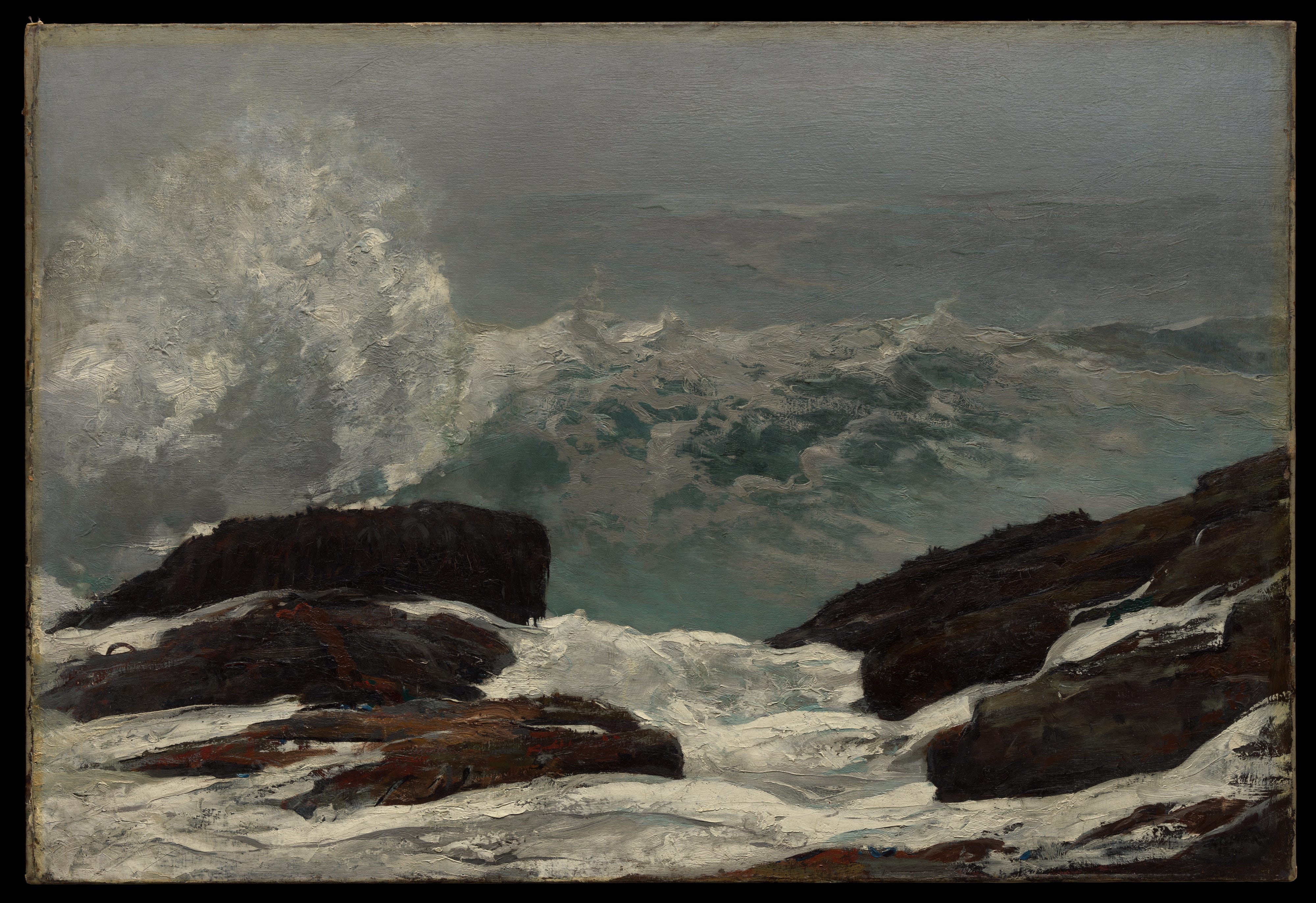
Later that night, as Jochebed breastfeeds Moses, basking in the wonder of deliverance, she quietly sings the ancient songs. Her eyes grow heavy. She sleeps but dreams:
The roaring sound of rushing waters. Great walls of sea rising high on either side—a highway in the deep. Water pulling back; dry ground. The Hebrews running. Pharaoh’s chariots closing in. A man standing at the water’s edge, arms outstretched, holding a branch of the burning tree high in the air. It is Moses. The water that was meant to destroy will save. His eyes are full of fire—the power of God coursing through him. Moses! Moses has become a living ark, carrying an entire nation through the water, a vessel of God to deliver his people from extinction. Moses—the one who draws out.
Jochebed awakes, trembling. She has seen again, like the prophetess Sarah, that her son’s deliverance is the deliverance of many. Moses is great beyond her understanding. She remembers the first vision and knows that his path to this future moment will lead him through great loneliness, rejection, and pain. She aches to shield him from it all, when a quiet assurance, like before, washes over her, and she knows his family will walk with him, Aaron and Miriam. The rest is unclear.
The baby stirs in her arms, rooting. As she puts him to her breast, feeling him eagerly draw out her milk, Jochebed looks into his angelic face with awe. Who is he? The Deliverer. The Mighty Deliverer.
Charlotte Eaves Winder has a degree in English Teaching from BYU and is working on a Master’s in Creative Writing from Harvard Extension School. She has taught LDS seminary and institute and enjoys spending time with her family, reading, and gardening.
Art by Winslow Homer (1836–1910).
