


By his knowledge shall my righteous servant justify many
— Isaiah 53:11
MONDAY
Amanda woke slowly, her mind catching up with the silence. No phone alarm, no husband getting dressed, no rustling of cereal boxes in the kitchen. A toddler, a teen, two kids in between—where’d they all go this morning? Or wait—where was she? And how long had it been since she’d woken up on her own?
The saggy mattress, scratchy blanket, and wood-paneled ceiling soon made sense— this full week alone in a tiny, not-too-secluded cabin was her birthday present from Theo. Every summer you try to finish your novel, he’d written on the card, but I think you need more than a break from students. You need a break from us! He’d drawn a smiley face after that.
Her card also contained the printed email receipt showing what a good deal he’d gotten on the rental. And since he was again between jobs in the ongoing techworld churn, he had time to take care of the kids while sending in applications. Mixed blessings.
Thanks to her playlist and the scenery on the drive up, Amanda managed to leave almost all her stress behind. Next Tuesday was the deadline of a regional contest for complete manuscripts from “pre-published” novelists like her, and she was dead set on submitting. If she couldn’t finish a mostly-done novel in an entire distraction-free week—well, that kind of feedback would be hard to ignore. She’d put the whole thing away for a year. Or forever, if she didn’t end up missing it.
After some personal and spiritual hygiene, Amanda sat down at the desk-sized kitchen table with her chunky antique laptop and some over-microwaved instant oatmeal. It was still only 8:30. Thrilled with the hours of writing ahead yet intrigued by last night’s dream, she walked through it in memory as her hard drive rumbled awake.
As usual, it began with quick but vivid preliminary scenes, culminating in a more detailed episode that connected them all with a general theme. Last night’s finale began with Amanda sitting in the front-room recliner at home. Theo and the kids had gone to get ice cream cones because it was one of their birthdays, but she had stayed back to meet a self-imposed chapter deadline on her novel. Instead, though, she just sat there, numbly scrolling through posts. It was better than feeling torn in half, inadequate as both a mom and writer, clutching together a self that felt much less than the sum of its parts.
Then suddenly she and the recliner were inside the cabin, and who should stroll in but Jesus, looking like every painting she’d ever seen of him. He opened his arms toward her, his face radiating happiness. Amanda jumped up—not to meet his embrace, but because she’d been caught. “Oh, hey, sorry,” she began, turning her phone-holding hand inward, “I should probably be with the family for Jane’s ice cream, but we did already have her party, so I thought I’d spend the time working on my novel, and I was about to get started—”
Still smiling, he waved away her concern, held out his hands, and simply said, “Amanda.” There was joy, almost laughter in his voice, a love of saying her name that made it sound holy. Hallelujah. Hosanna. Amanda.
“Hello!” she managed between her guilt and his greeting.
“Mind if I sit down?” He gestured at a rocking chair across from the recliner.
“Oh—sure, of course.”
He eased into the chair, looked around, and noticed she was still standing. “Please,” he said, motioning to her recliner. She sat back down, hands clasping and unclasping in anticipation of chastisement. Go back home, he’d admonish. Instead of creating fake characters, use your time and inspiration to build up the real people in your life.
But to her surprise and twinge of suspicion, Jesus began their conversation asking about her novel: where the idea came from, how she was piecing the plot together, who had inspired her characters. When she thanked him for his interest he replied, “Well, your family’s been praying for you to make some progress on it. Now, parables are more my thing, but maybe I can be at least a helpful sounding board. What’s your biggest struggle right now?”
Amanda exhaled. “Oh, the characters. My plot’s in good shape—I only have three chapters left—but the characters need to feel more . . . believable, you know? And I have to finish it this week.”
Jesus looked at her a moment, not confirming or challenging the deadline. “I see. I’ve got an idea I’d like to run by you,” he said, standing as he spoke. “Let’s meet for lunch tomorrow night. You choose where.” At his wonderfully warm smile and parting nod, Amanda woke up.
Now she stared into her empty oatmeal bowl, thinking. Theo’s birthday card stood next to her laptop. I know you were joking when you said we probably needed a break from you, he’d written, but you really are a fantastic wife and mom. Maybe a few days away will give you the perspective to recognize this. It will certainly do that for us! Another smiley face. But whatever you do, don’t think you have to try to fix or even work on anything about who you are. Not for us or anyone else. Unless God Himself comes down and tells you to, of course. Smiley face. Otherwise, just be yourself and enjoy!!! Hmm, were Theo and Jesus in on this together? If so, what exactly did they have in mind?
The rest of that day, Amanda typed and backspaced and cursored and cursed away at her draft. How could it be so hard, so discouraging, to write in a genre that you’ve loved reading your whole life? These characters—even Lyra, the spunky tween protagonist modeled on Kayla, her own daughter that age—they were struggling to sound authentic, let alone interesting. How well did she really know them? Would she have to ditch a few or maybe most of them and start over? She’d heard authors say that some of their characters would argue with them, stray from the script, and refuse to take orders. Was that collaborative construction of identity something she needed to work on in her writing? With her junior-high English students each school year? With her family all the time?
Ah. The dream’s meaning flooded her with the warmth and tingling of revelation. Why else would Jesus meet with her personally? She had faith in Christ—a phrase she’d heard and used her whole life—but who was he other than the spherically well-rounded, superlatively competent, but ultimately flat-charactered hero in her salvation narrative? And would that narrative be more rich and detailed and dramatic and . . . enjoyable if she trusted him more to go off-script—as in, appear to her in a series of dreams?
Amanda had been staring into her laptop screen during that reverie—not coincidentally, perhaps, at a line from Lyra to the tribal chieftain after her father’s death:
My father taught me all the Visioner’s duties, and I accept them in his stead. But I don’t yet know my own heart, and that is my first task. I must begin by searching my feelings toward these new duties, so that whatever I am gifted to see throughout time and space will be free from my own wishes and fears.
That could be why Amanda was struggling to move Lyra forward. Amanda knew what she wanted Lyra to do and become, but perhaps Lyra herself—through Amanda—was still finding out. Maybe Lyra was more than a character in her novel. Maybe her kids weren’t just characters in her plotline of achieving an eternal family. And maybe, just maybe, Amanda thought, she herself was someone more than a sin-crippled minion in the glorious epic of Jesus redeeming all humankind. Maybe there were no minions. If there was indeed another dream that night, perhaps Jesus would have some answers.

Sure enough, the random clips of dream prequels ended on a street in Bologna, one of Amanda’s favorite cities from the Europe trip she and Theo took before kids. “Where is that little café,” mumbled her dream-self, scanning signs and outdoor tables as she passed them. Then there it was, and of course Jesus sat at one of its outdoor tables on the sidewalk.
“Nice choice,” he said once she’d joined him. Hmm, he didn’t get my chair, she noted. He didn’t even offer to. But of course I would have said no and meant it, so . . . this works.
If he was reading her thoughts, his smile didn’t change. “Please thank Theo for giving you this time and space. I really like that guy.”
Amanda laughed. “Me too.”
The bruschetta arrived, smelling and tasting just as heavenly as Amanda had remembered it. As they ate, Jesus asked what she liked about the city, about travelling, and about her life in general. At first she gave polite, measured answers, instinctively mindful of—as she’d felt her whole life—How Busy God Must Be. Also, how these personal questions were probably just standard small talk before the worthiness or stewardship interview that their conversation would inevitably turn into. And how would she answer, full-time teacher, yearning novelist, and unpredictable influence at home that she was, when he got to the spouse and motherhood questions?
Instead, Jesus returned to her novel. Who were her literary influences? Could she see it as a series? No one had ever asked her questions like that before. Okay, a couple of people—including Theo—had asked a simple question or two, but she soon discovered that they never wanted an answer that took much longer for her to give than for them to ask. Jesus, though—his ability to listen, to stay with her explanatory meandering, was undoubtedly divine. Once or twice the topic of her kids came up, but he never took the opportunity to segue into parenting. Instead, after what felt like both five minutes and five hours, he glanced at the sun and said, “Our time’s up for now. Anything you’d like to say before we go?”
“Um, I can’t think of anything else. Thanks, though.” Amanda felt a bit embarrassed to realize she hadn’t asked him a single thing about himself.
He grinned, reading her thoughts. “Tomorrow I’ll let you start with the questions.”
TUESDAY
Amanda had never been worn out by a dream before. Still, that next day she buckled down at her computer, stopping only to take a short walk in the morning and a shorter nap that afternoon. For dinner she had two Cups O Noodles—a staple from back in college, when she last took her writing seriously.
And speaking of writing, she crushed it that day. She finished the two chapters before the final one, everything geared up for the showdown between Lyra and Elueth, the elderwoman who had stolen the tribal role and personal power from Lyra’s Visioner father by killing him without using sight-magic. She could see herself driving back down the mountain, playlist blaring triumphantly, a finished draft slumbering on her laptop in the back seat.
Things were progressing at home too, it seemed. During their nightly Facetime check-in and family prayer, Amanda learned that Theo had three first interviews lined up for later that week. Day camps, grandparent trips—somehow, the kids talked over Theo without turning on each other. When seven-year-old Jack prayed for his mom to feel good and peaceful and write the best novel ever, a happy-sad lump tightened so fiercely in Amanda’s throat that she could only whisper amen.
The hazy prelude episodes in her dream that night showcased Amanda’s domestic angst. Kids entered and exited rooms, and Theo was gone—probably a work trip. It was a school morning, and if the kids weren’t ready for carpool, she’d have to take them herself and be half an hour late to teach her own first class.
Then the scene shifted and slowed into the main event: a picnic of flatbread and roasted fish on a grassy lake shore. The agitation she was working through melted as if—well, as if it had been a dream. “Must be your choice,” she said to Jesus, who sat across from her. He nodded, biting into what looked like a taco of pita bread around a piece of fish. His chewing gave her long enough to remember that she was the interviewer tonight.
Amanda began with a few questions about world events and conditions—the sort of things she thought he would probably care about most—but his answers led her quite naturally to ask for his perspective on the people in her life. It amazed her to hear how well Jesus knew each of her family members and friends, how precise he was about what could help them be happier. Of course she had always believed that he knew everyone and everything, so the fact itself was no surprise. But she had never felt so much compassion—didn’t know she was capable of it, really—as when she heard Jesus describe their lives in such kind, wise detail. Such patient desire for their welfare, despite how far their actions and thoughts may take them from him.
“You know,” she said after a swig of grape juice, “I really think you’d make a great novelist. All that practice getting inside people’s heads would help you create some amazing characters.”
He started in mock offense. “Getting inside their heads? I’m not a psychologist; I just care about everyone. Okay, the omniscience helps too. But yeah, maybe you’re right—I should try writing a novel some day. After all,” he continued in a dad-joke voice, pretending to elbow her, “I am the author and finisher of faith.”
She had to laugh. Jesus himself looked down and chuckled, then glanced back up at her and continued, “Seriously, though—do you know what a fascinating redemption arc so many people go through? Yes, with their behavior and beliefs, but especially their belief in themselves. Oh, the stories to come—I wish I could give away some of the plot twists. Page-turning stuff.”
Amanda laughed again. “I bet. You know, I think Lyra’s arc is strong enough, but her companions’ struggles are all external, you know? They need more personal, more inevitable, motivation. Right now it’s like they’re just taking orders.”
“Sounds about right,” Jesus said. Then after a few beats of silence, “Something I sense you starting to realize is that the plan of salvation was never meant to—well, is specifically designed not to—generate stock characters.”
“Stock characters are the products of conventional plots, right?” Amanda responded. She’d picked up that quote in a workshop and was surprised to hear herself say it now. “Isn’t the gospel—you know, following the covenant path and all that—pretty . . . I don’t want to say formulaic, but . . .”
Jesus chewed thoughtfully on his last piece of flatbread. “That’s a great question. I think behind it is the question of whether or not you yourself are just a stock character in the divine family drama.”
Amanda thought of Lyra, of Theo and the kids, and her heart fluttered with fear. “Yeah, I guess. How does obedience and righteousness not . . . you know, converge on conformity or uniformity or whatever? And don’t you get tired of paying for the same human sins all the time? I think I know what you’re going to say, but still, I’m a little nervous to ask.”
Jesus paused, cleared his throat, and answered, “Tell me this. What’s the worst pain you’ve ever felt? I mean physically, emotionally, spiritually—anything.”
A few memories rushed to her mind, but before she could vocalize a response he put a hand on her shoulder. “Thanks for trusting me with them,” he said. “See you tomorrow.”
WEDNESDAY
Next morning, Amanda hiked quickly, offering a walking prayer, and listening to scriptures on her phone. She waved to a deer and some fellow hikers on the gravel road past the turnoff. Back at the cabin she skipped a shower and worked steadily, spurred on by the end in sight. Just before the 8:00 p.m. family prayer call, she ceremoniously pecked out the final sentence and struck the period key with a whoop.
Theo and the kids cheered for her on her phone screen. “So are you going to come home tomorrow?” Kayla asked.
“Well, I still have to go through it a few times to tie up all the loose ends, but I should definitely be done by Friday,” Amanda said. “Then you guys can come up here Friday night and we’ll celebrate. How does that sound?”
After Theo’s prayer of gratitude, Amanda began editing from the start and stayed up well past midnight. The push had come partly from the thrill of progress and partly, she realized as she shut her laptop, from the reluctance to recall the painful moments Jesus had asked about.
In the dream’s warmup scene, all flashes in fast motion without sound, she was teaching her eighth-grade class. But a boy she’d liked as an eighth grader herself sat in the front row, and suddenly she was that age again too. As soon as the bell rang she ran, gawky and flustered, out of class—and straight into a hospital room.
One moment she looked around the room’s curtains and machines, and the next she was laid up in one of the beds—just as she’d been the first long night after her crash in college. She’d fallen asleep while driving home, hurtling off the freeway and rolling twice. A totaled Buick Century, a broken arm, nose, collarbone, and several ribs, an almost-boyfriend who just couldn’t make it down to visit her in the hospital—so many things hurt.
“Why am I dreaming this?” Amanda wondered aloud.
“To feel understood,” came a raspy voice from the other side of the room. Slowly tilting her head, she saw the Savior on a bed, the divider pulled back. His bandages, arm sling, and puffy blackened eyes mirrored hers. “Ooh—” he winced, trying to pull himself up just an inch. “You’re right—it hurts just to breathe!”
Then the hospital room became her bedroom and she was seventeen, curled up on her bed sobbing after breaking up with her first boyfriend for the final time. Her mom had come in sometime earlier, spoken a few words to soothe her, and just stroked her hair. But now, as she lay grieving the loss of someone whom she felt could never be replaced, a presence settled beside her. It was Jesus, sitting on the edge of the bed, head bowed, tears falling into the hands he’d folded in his lap.
Seeing him so sad surprised her to the point that she momentarily forgot her own grief. After several seconds he wiped his eyes and looked up at her. “There’s nothing harder than losing someone for good, is there?” he said, his voice wavering.
The final dream episode shifted settings a few more times: Amanda’s childhood home when she stayed up all night with a toothache; her kitchen as she cleaned up, in shock after a terrible argument with Theo; the chapel at her dad’s funeral. As she briefly relived each moment, the anguish came back not in memory but in all her senses. And in each experience, when she looked and saw the Savior pacing the floor, or bracing himself against the kitchen countertop, or gazing into the open casket during the family viewing, she felt it was as real for him as it was for her. He wasn’t there just to comfort her or deftly stack her burdens along with everyone else’s onto his infinitely capable shoulders. He was there to feel them as she did, to be just as shaken by them as she had been.
After the last of these painful scenes dissolved, Amanda found herself seated at the patio table of an old Mediterranean-style restaurant high on a hill overlooking the sea. A few low clouds made shadows on the glinting water. No one else was there; the only movement in sight was a breeze ruffling the grass and trees beneath her. After some time watching the small waves by herself, she looked over and saw that Jesus was sitting across the table, gazing at the view.
With a rush of love and gratitude Amanda said, “Thank you for going through all those things with me. I’m just so . . . glad you understand what my life is like.”
He nodded. “I know how you feel.”
THURSDAY
In her editing the next day, Amanda knew she’d have to listen to her characters. The whole novel, she’d pushed them along like children too old to be acting out the Nativity, and they’d dutifully reached the end. But if she wanted anyone other than extended family to appreciate their performance, she’d have to follow where they led. If she grew to truly understand them and love them, she might have to let them leave her story entirely.
Reshlig, the chieftain’s endearingly bumbling son and Lyra’s childhood friend. Skeir, the politically ambitious, socially ambiguous daughter of a mute, unmarried serving-woman. Even as Amanda’s plot came unstitched here and there, she smiled as she wrote, heart rippled by occasional waves of impatience, fear, affection—and beneath them all, constant as a shoreline, compassion.
On her after-dinner hike, Amanda replayed the scenes from last night’s dream, still amazed to have seen Jesus suffering her burdens just as she had. It was more than walking a mile in her shoes: He’d walked the entire distance she had, not just in her shoes but with her own tired and aching feet. Who would do that for someone just to understand them? And yet, she also wondered why he chose the moments he did. They were among the worst, but there were other tough experiences . . . ones she was glad to have skipped.
That night’s dreaming began with her car accident. This time the car had plunged into a river, and water was rising inside. Amanda couldn’t unbuckle her seat belt, and she screamed and banged on the window. A teenage girl’s face appeared, and Amanda screamed again. Of course this person showed up at Amanda’s most serious misfortune, and of course she’d be smirking.
It was Tara Oliphant from Sunset View Middle School. The scene shifted from the car to outside the lunchroom wall, where Amanda first endured Tara and her cronies’ brutality. Amanda never understood why they picked on her—she never dared taunt them or call Tara “Terrible Elephant” like the other kids did, even when Tara wasn’t nearby. The insults and kicking and hair-pulling happened almost every day for the first month of seventh grade until Amanda finally refused to get up for school. Her parents thought she was exaggerating. If her family hadn’t moved to a different state the month after that, who knows how she would have coped.
The encounter almost got to the part where Amanda always broke down and cried, when here came the Savior, striding towards them. A thrill of justice ran through her. Now they’ll get it! As he approached she resisted the urge to yell, “Get ’em! Knock their heads off!”
But instead of confronting her tormentors, Jesus walked to a spot at the wall a few yards away, crouched against it, and gave a whistle. With triumphant jeering the girls converged upon him, shoving his head and kicking at his shins. Amanda scrambled away and watched from around the corner of the building. When he caught her horrified gaze, she saw tears welling up in his eyes. “You can go now,” he called over their insults and taunting. “You’re free.”
“I can’t leave you alone with them!” Amanda hissed back. She wanted so badly to run over and rescue him—to pull him away, to punch and kick and bash the girls until they ran off howling.
“Please trust me,” he managed to say between slaps and kicks. “Stay and we both suffer. Walk away, and we’re at peace.”
Amanda forced her dream-self toward home, stricken by the fear and humiliation in his face. What kept her walking, though, was his voice. Even as the girls pummeled him, even when it hurt him to talk, he’d spoken to her with absolute sureness. He was right where he wanted to be. Amanda’s pain subsided to a twinge of sadness as this peace of his settled in her heart.
As with the night before, this dream shifted among the moments of Amanda’s life when she had been most hurt by others’ cruelty: the ridicule of a teacher, the teasing of classmates, the shouting and hitting from her parents. She still hoped at some instinctive level that, as the Savior, he’d avenge her. She imagined him picking up whomever was harming her, throttling them, and hurling them over the horizon like in old cartoons. But in every situation he simply took her place. “You can go now,” he called once the aggressors left her to attack him. “You’re free.”
The dream ended with a simple lunch of figs, cheese, and flat bread at the old hillside restaurant. Amanda waited for Jesus to say something, but he just sat there, looking toward the sea, then at her with that peaceful smile of his.
She reached across the table and covered his hand with both of her own. “Thank you for taking my place,” she began, “but why didn’t you just stop them? Wouldn’t I feel more free knowing that you wouldn’t let people hurt me anymore?”
His words were slow and gentle in reply. “Yes, they should have been stopped. I’m sorry that the adults in your life didn’t protect you.”
She waited as long as she could. “And?”
Jesus finished chewing and said, “You’re wondering if I could’ve stopped them. Yes, I could have. That would’ve made both our lives easier—from your perspective, anyway. But remember that I’m Tara’s Redeemer too. Let me just say this: As a Godhead, we’re always aware and we often intervene, but not as often or in the ways that many people hope we do. There’s a lot to keep in balance.”
For a moment Amanda glimpsed the dizzyingly intricate fabric of human agency, and all she could do was nod. She nibbled a fig while her thoughts unwound, then said, “Okay, here’s my final question: Why did you have to take my place?”
He took a sip of water from a cup. “I didn’t. I took your place because I wanted to show you that I understand with my soul what you’ve been through. My spirit and body, you know? Whole soul. Sure, it’s my calling on behalf of all God’s children, but also it’s a role in your story that I’m honored to play.”
FRIDAY
That was a beautiful thought to fall asleep to, Amanda remembered the next morning—especially for what she added the next day. Poor Lyra suffered an apparent betrayal by Reshlig, followed by middle-grade-appropriate torture at the hands of an enemy tribe. She’d planned to be working through Chapter 28 or 29 of 36 by that afternoon, but she’d basically just rewritten Chapter 22. She was mad at Reshlig for being so careless—it pushed her way off an already tight schedule, but also, Amanda realized, because of how badly it hurt Lyra. This must be what it means to create a character, she thought. It felt like growth as a writer, but right now she would’ve easily traded it for a finished draft she could submit.
A Salisbury steak microwave dinner, decent as it was, and a couple cheap oatmeal creme pies did little to comfort Amanda. She’d texted Theo earlier that she wasn’t ready for the family to come up that night. He responded with a simple thumbs-up and finally Facetimed her at 8:30. Neither side of the family progress report was as hopeful as a couple nights before. Theo’s interview that day was three form questions and we’ll-get-back-to-you, and one of the two the next day had canceled.
Also, Madeline, their nine-year old, had tricked Jack out of his popsicle and then lied about it, and Taylor, their two-year-old, was screaming because Jack had accidentally stepped on his hand. The call ended with Theo’s “Love you honey good luck” backed by two arguing kids, a whining one, and an inconsolable toddler. Novel and family in disarray, Amanda tried editing for another half hour and then gave up, too discouraged to care what trauma she might have to dream through that night.
It began at a park from her childhood, where all her family and all her novel’s characters had gathered. A breeze softened the bright sun, and Amanda ached with hope as Kayla and Lyra sat chatting in swings, Jack and Reshlig kicked a soccer ball to each other, and the youngest two rode Candlebreath, the dragon-butterfly faithful to Lyra’s family line. Then behind her came yelling—a child had broken their arm falling off the jungle gym. Then her dream’s main feature began, and she was somehow watching herself from outside rather than taking part in it. As soon as she recognized the first scene she cried out and turned away.
It was a Sunday morning in their half-renovated brick house. She was thirty-one, Kayla was five, Madeline almost two, and Jack and Taylor hadn’t been born yet. Theo was in church meetings already, and as always, Amanda was trying to get the kids ready on her own. She had seven minutes to make Madeline’s snack, find the Sunday School lesson she’d printed, and finish drying her hair. Kayla was throwing a tantrum in Amanda and Theo’s room. She was already wearing her church dress, but the shoes she’d put on all by herself were sneakers. The washing and ironing of Kayla’s dress that Amanda had undertaken the night before undid themselves on the dusty hardwood floor, and Amanda’s distracted anger gathered in her throat as she searched her makeup bag again for mascara. “Oh please,” her dream-self whispered as she looked on, “not that day.”
From the master bedroom Amanda could hear Madeline pouring dry cornflakes onto the kitchen tiles. Kayla’s thrashing and kicking positioned her next to the dresser, on top of which was a wedding photo in an elegant leaning frame.
“I’m wearing these shoes!” she screamed for the hundredth time, giving the dresser a solid kick with her heel. The photo frame tipped over, fell off the dresser, and the glass shattered on the floorboards within a foot of Kayla’s bunched, reddened face.
With a wordless screech Amanda grabbed Kayla’s arms and threw her onto the bed. “No you’re not!” she yelled, pulling off her shoes and throwing them through the doorway.
“Yes I am!” Kayla screamed back. In the dream Amanda watched the scene, crying from the exhausted, terrifying rage she felt in that episode and the humiliation of witnessing it now. Just as she feared, she saw herself slap Kayla’s face, only this time it wasn’t Kayla’s face but the Savior’s, who was now sitting beside Kayla on the bed.
There were four or five other scenes after that. In each one Jesus took the place of the person Amanda had hurt: a girl whom Amanda blamed for something she knew the girl didn’t actually do, a sister-in-law whom Amanda ignored at a family gathering, Theo whenever she lambasted him for his stupefying lapses of awareness. Many of her offenses came back to Amanda vividly; others she barely remembered. In either case, seeing her cruelty from the outside pained her more than any other dream she’d had that week.
The final scene happened in the video store where Amanda worked during college. She was doing her Spencer routine in front of Holly, Robin, and Chris, her coworkers. Spencer worked at the store too but was off that night. He was a few years older than the average student, awkward, unpredictably groomed, and overly interested in Amanda. The Spencer routine consisted of shrugging her shoulders, squinting, and talking to people a bit too close to their faces, and as usual, it sent Amanda’s coworkers into fits of tearful laughter.
From her dream-place outside the scene, Amanda grimaced and held her stomach, suddenly sick. That particular night, Spencer had come into the store to rent a DVD—right in the middle of her performance. She stopped herself at the frozen looks on her coworkers’ faces when they saw Spencer approaching behind her. Just as she’d done in real life, Amanda turned to greet him with a gush of fake enthusiasm—and stood face to face with Jesus.
He wasn’t angry. She could’ve taken that. He didn’t glance away in annoyance or roll his eyes in frustration or even shake his head in disappointment. He just looked down, mouth bunched, blinking back tears. He was hurt.

SATURDAY
There was no lunch after the scenes of this dream. Amanda woke that morning engulfed by shame so heavy she didn’t have the strength to drag her whole novel to the trash icon, even though she wanted to. It was falling apart, her family was falling apart—yes, maybe it was the depression talking, but it was only exaggerating, not flat-out lying. Maybe if she was home Theo would’ve done better on those interviews. The kids had been praying for him, and praying for her too, and so far neither of them could offer much proof that God was actually listening. Sure, she’d felt genuine love for her kids and compassion for her characters that week, but it wasn’t enough. In the end—or long before that—she’d just disappoint them both.
Amanda sat in bed, trying to ignore her voice of doom by writing Lyra out of the dungeon and onto the road toward a redemptive encounter with Reishlig. Every time she looked up from her screen, though, she saw the Savior’s terror when she slapped him, his hurt as she taunted him. At seven o’clock she texted Theo that she felt sick and couldn’t talk to them that night. She rolled on her side, not bothering to pray, hoping that her ingratitude and disobedience would keep Jesus away.
But there was a dream that night—with no emotional trailer this time. Amanda sat alone at that hillside Mediterranean restaurant, watching the sun set into the sea. “He won’t come. He won’t come,” she said in time to the distant wash of waves against the rocks. She closed her eyes, reciting her mantra, feeling the sun on her face, a tickle of wind at the wisps of her hair.
Then the sunlight was blocked. A warm hand rested on her head. Her heart surged in a cry of grief and she found herself at his feet, bathing them in tears from still-closed eyes.
“I’m so sorry,” Amanda now repeated. “I’m so sorry.”
Jesus kept his hand on her head and waited until she lifted herself up and sat down again. “I know,” he finally answered.
“Taking their place was the hardest thing you could have ever done,” she said after a moment, though she still couldn’t look him in the face.
“So are you glad I didn’t throw you like a cartoon character over the horizon?”
Her laugh ended with a sniffle. “That would’ve been less painful.”
“You’re right. But you wouldn’t have asked for forgiveness if I punished you like that. And,” he said, leaning over the table to catch her gaze, “I forgive you.”
Forgiveness. It’s the peace of warm sunlight and a breeze flowing from the ocean up a hill full of wildflowers, mingling with the smell of dates and honey and bread still warm from the oven. It’s the love of being understood by someone who has freely taken upon himself the hurt you have received and the hurt you have given.
“And,” he added, “I will heal them.”
With these words Amanda saw into a small, sparse apartment bedroom late at night. A TV flickered in the corner, but the man on the bed was turned away from it, holding his head in his hands. It was Spencer. He sat tightened and twisted with misery, alone in the room and alone in his life, and his broken-hearted loneliness and despair swept through Amanda so powerfully she started sobbing again.
Uncovering her face a moment later, she saw that Spencer was no longer alone. Right next to him sat Jesus, hands folded in his lap, looking down, then over at Spencer, then down again—just as he had done with her grieving teenage self. As the scene faded, Jesus put his arm around Spencer’s hunched shoulders, which relaxed a little as he leaned against his Savior.
Amanda shut her eyes and kept them closed, too overcome to speak. Only after a great while did she manage to open them and whisper the obvious but astounding truth.
“You’re healing him. From what I did.”
Jesus only nodded. There were tears in his eyes too—from sorrow? Grief? Joy at her realization? Amanda stopped guessing and simply felt. Yes, that was it: His heart was full to overflowing with love.
Although scripturally she knew it was both impossible and not the point, she couldn’t help saying, “How can I ever repay you?”
“Just remember that old Primary song,” he answered, wiping his eyes with his sleeve. “And live it.” He took a deep breath and sang, softly and not quite in tune: “As I have loved you . . . love one another . . .”
Amanda closed her eyes, lifted by a weightlessness so real she reached down for her chair to make sure she wasn’t floating. How transcendently beautiful, spiritually if not musically, to hear Jesus sing it! Here he was, the “I” in “As I have loved you.” She couldn’t remember not knowing that phrase. So this is what it felt like.
“I will,” she whispered.
He nodded, still teary, then sniffled and wiped his nose on his sleeve. “Now you know why I never get tired of helping people work through the same old sins. Everyone’s story is different, and their sins are just part of their story.”
At some point a round loaf of bread and bowl of honey had appeared on their table. Jesus broke off a piece, dipped it in the bowl, and chewed it. Amanda did too. The smell and taste was as earthy as heaven could be.
“Most importantly,” Jesus continued, “no one’s ultimate potential is the same. Do you want to make all your characters just like you?”
Amanda grimaced. “Of course not. How insanely boring.”
“Well, here’s my writing advice, then: Just love your characters. They’ll break your heart, Amanda, but that’s the only way. ”
And indeed, a wave of despair welled up from her heart and bulged against the peace she’d been feeling until it shattered, escaping in an anguished cry. “I tried,” she sobbed, face in her hands. “I tried my absolute hardest and even with a whole week I still couldn’t get it finished in time. The characters are still fake and Theo doesn’t have a job and we’re paying all this money for me to leave our kids and just fail.”
Jesus accorded her grief a respectful pause, then asked, “Finished in time for what?”
“The contest! That was my deadline.”
“Or else?”
“Or else nothing! I’ve been working on this novel for so long, and I’m so tired of it. I’m sick and tired of squeezing in time here and there, trying to bring fake people to life at the expense of real ones.” She abruptly stood and stumbled a few feet through the growing dark towards the hill, hugging herself in the breeze.
“Yes, your family deserves your whole self,” Jesus murmured.
A pause, and Amanda answered without turning around. “I know what you mean by that. But no, I’m done for now, and I feel so much relief just saying it. Listen, thank you for everything this week. I’m ready to wake up and go home.”
But nothing happened. After a moment Jesus answered, “Hmm, I guess our story hasn’t hit its own deadline yet.”
Amanda turned back toward him, but in the dusk and her shame she couldn’t meet his eyes. “Just let me wake up!”
He leaned forward in his chair. “Who do you think is in charge of these dreams?”
For a long while Amanda just stared at the table. At last she sighed deeply and said, “I know what I have to do. But I can’t do it without your help.”
“Always, Amanda.” He stood, enfolding her to his robe, and began the words of a blessing.
SUNDAY
Amanda woke to sunlight streaming on her face through the cabin window. Birds warbled gloriously. She scooted herself up in bed, blinking as the dream-events tumbled into order. Grabbing her pen and journal, she wrote, There are no words to describe his loyalty to us. Amanda detailed the pain she caused, her shame and anguish, the Savior’s healing, her agonizing doubt, and his blessing. Her final sentences read, He and I are not just characters in each other’s stories. We’re writing partners.
She ate her final packet of instant oatmeal and texted Theo back that she was okay and heading home. After loading the car, Amanda locked the cabin door and took a final walk to the stream and back. The morning air still rose cool this high in the mountains, even mid-summer. Early light filtered through pine trees, twinkling dewdrops on the weeds around her.
At her car, Amanda took a final deep breath and looked around. “Now let’s go co-author some redemption,” she said aloud, and whether those were her words to Jesus or his words to her, right then it didn’t matter. She got in and shut the door, unready but willing to give her voice to the beautiful, troubled people in a beautiful, troubled world, to understand as she was understood and love as she was loved.
Kevin Klein is a teacher and writer living in Orem, Utah. His religious poetry has appeared in various LDS venues, and he published the poetry collection Loved Ones in 2026. His family is, among other things, his favorite source of inspiration and feedback.
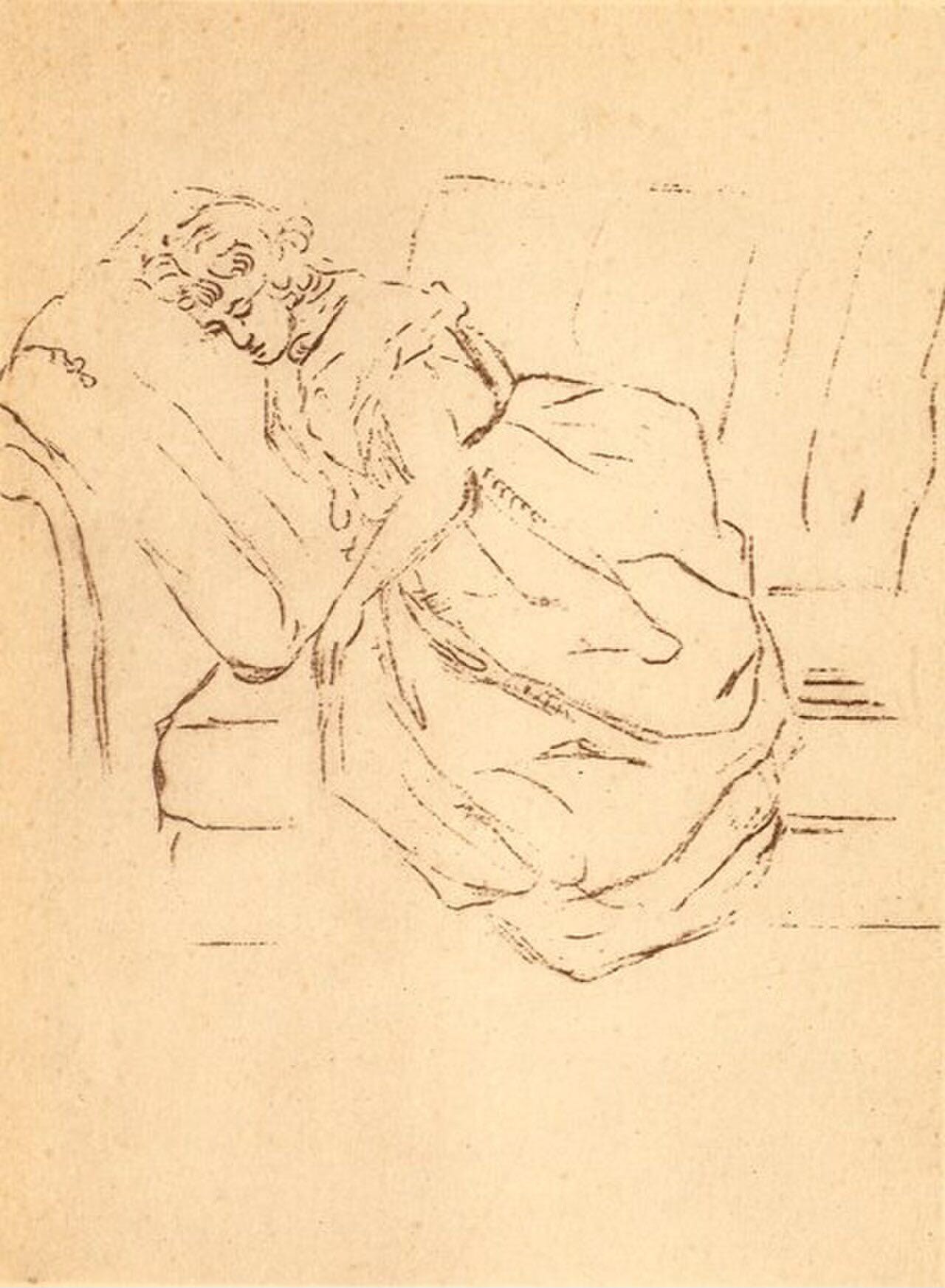
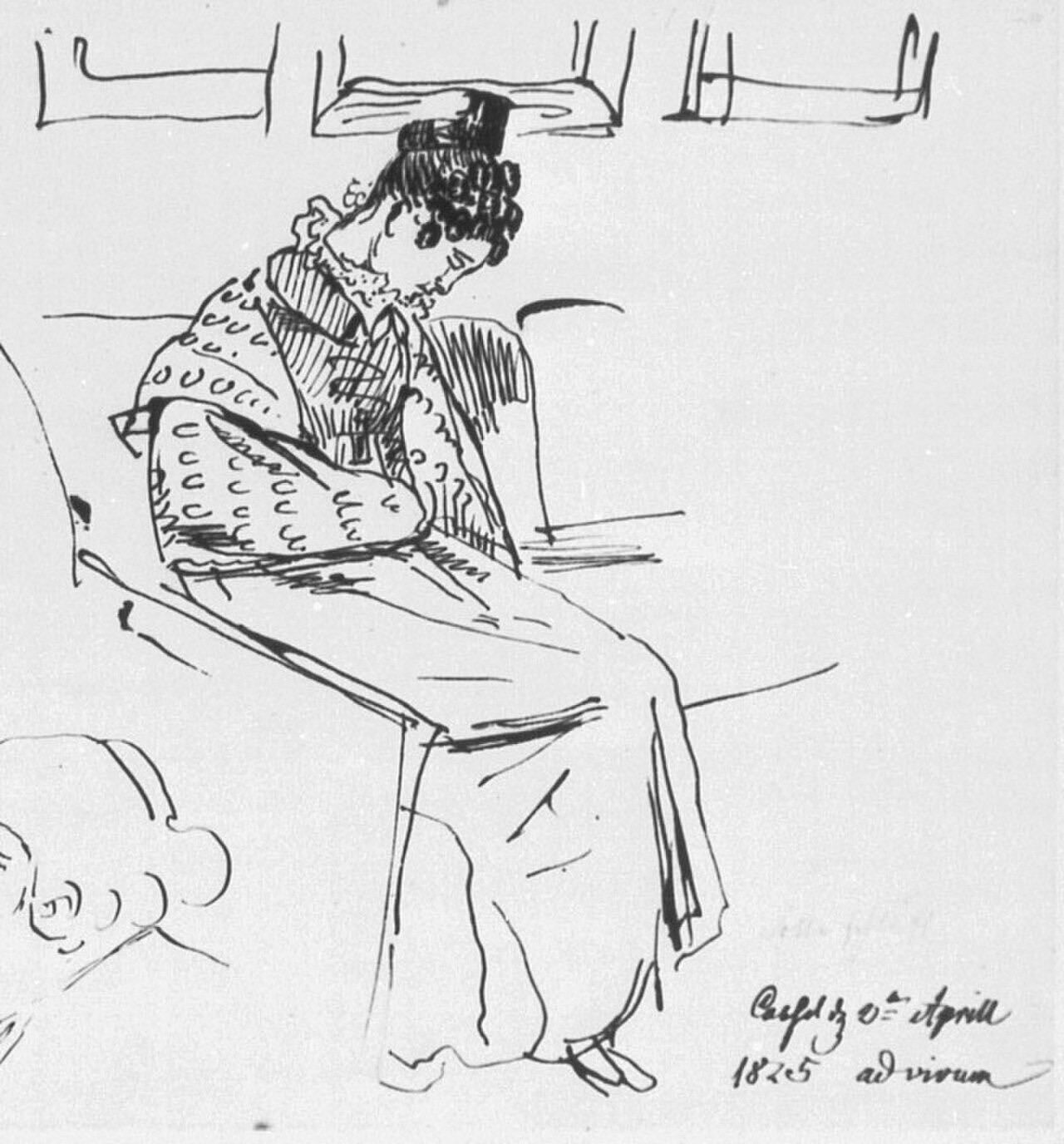
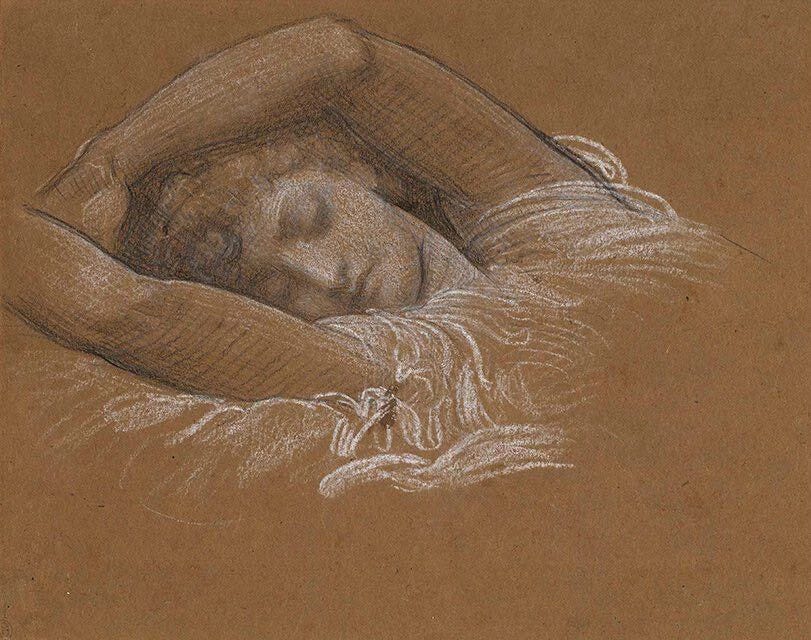
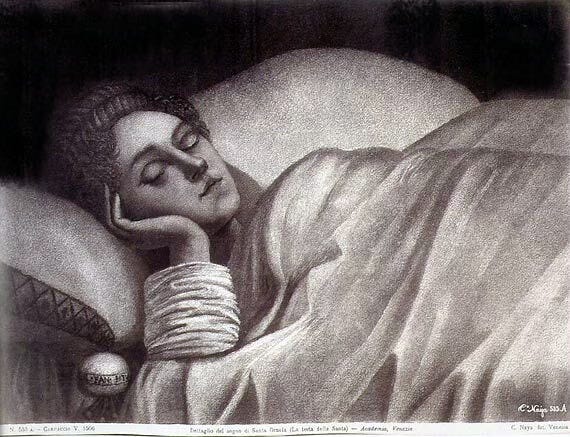
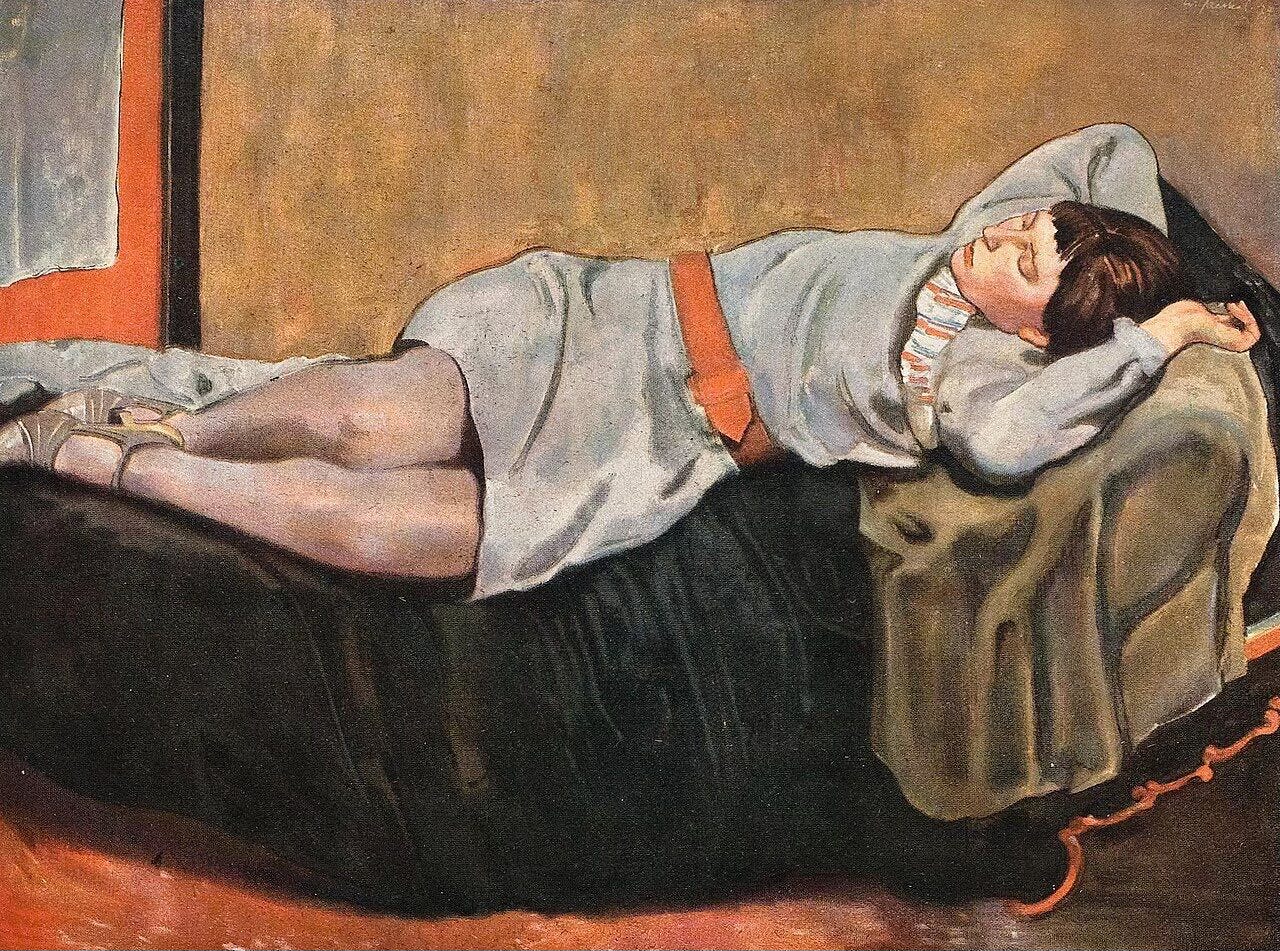
Art by Johann Wolfgang von Goethe (1749–1832), Ludwig Emil Grimm (1790–1863), Frederic Leighton (1830–1896), Carlo Naya (1816–1882), Gian Maria Rastellini (1869–1927), and Willy Jaeckel (1888–1944).


