


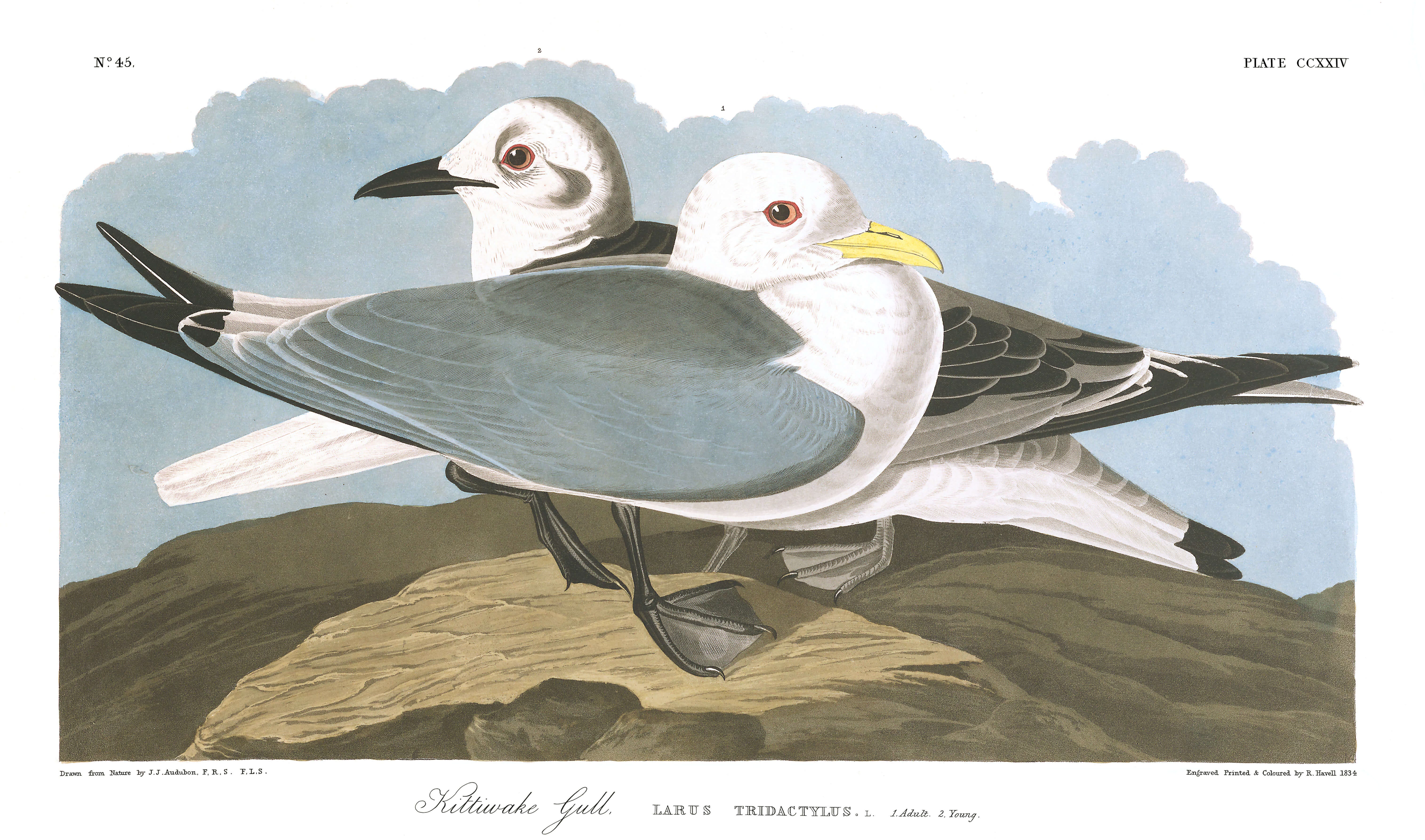
In July 1847, under the yoke of a piercingly dry summer heat, a company of Mormon pioneers breached the Wasatch Mountains. In crossing this final hurdle, the group had finally reached the destination toward which they had been devoutly marching for the last four months. Orson Pratt, one of the scouts leading the company, recounted the first moments that the Salt Lake Valley came into view, writing that he “could not refrain from a shout of joy, which almost involuntarily escaped from our lips the moment this grand and lovely scenery was within our view.”
Brigham Young had led the group to the area based on rumors of the valley’s fertile land. He believed it would be a place where he could plant the Church and watch it grow. When they arrived, Young and company were not disappointed. The valley exceeded all expectations; it was full of grass and streams and what felt like the light of God shining down on it.1
These sights came after years of struggle as an organization. The Saints had scavenged for food from Palmyra to Utah, had buried their loved ones on the sides of wagon trails, and had been chased out of every place they tried to settle. Contrast that pain with the relief that those early scouts must have felt swarming across that valley. Every bit of green from the white-tipped wild buckwheat to the rough bark of pinyon pine was a promise from the Earth of a bountiful future. The relief must have flown heavy through their veins, pulling them down into the dirt to rest. They had made it.
But their time to rest was short. The first company arrived with the summer firmly on the wane, and the largest influx of pioneers wouldn’t arrive until fall’s wan tendrils had come to choke out the summer’s color. With what little time was left in the year, the Saints got to work. They planted what they could and scrounged what little was available. Reports note that those early arrivers survived on crow and wolf meat, weeds like thistle tops and lily bulbs, and when they got desperate enough, tree bark.2 This spartan diet was supplemented with dreams of a full harvest in the coming year.
The Saints spent the winter preparing and fencing off more than five thousand acres of land for agricultural purposes. And when spring came, the fields were sown with an array of staple crops: buckwheat, corn, beans, peas, and more. Everything that would make this strange new valley a little more like home.
As the temperatures rose in early 1848, so too did the crops. On April 16, one settler wrote that “green stuff is coming very fast” and that the crops were “looking grand.” Finally, their wandering in the wilderness seemed to be at its end. But even the best-laid plans of pioneers and parishioners often go awry.
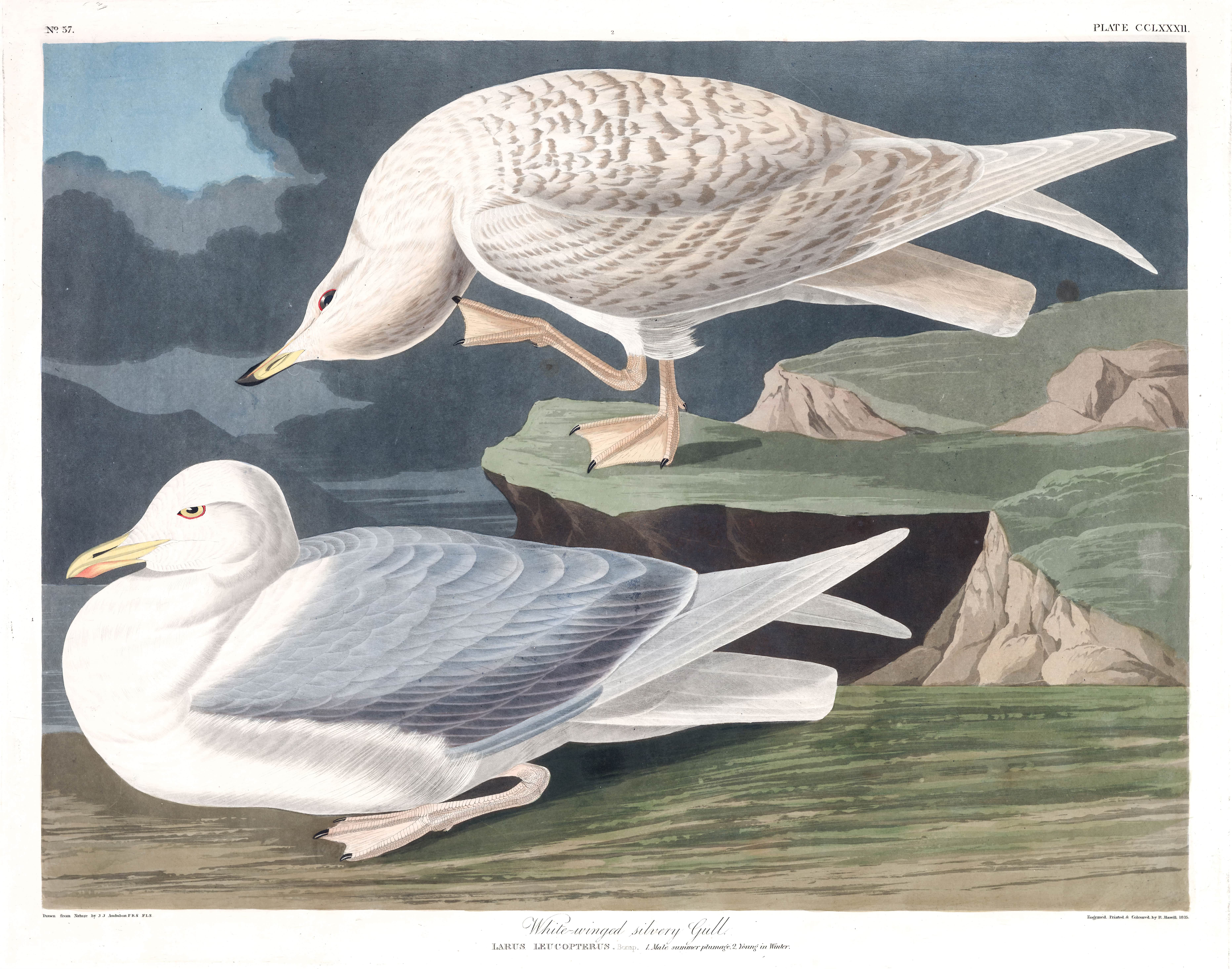
May brought with it a plague of Mosaic proportions. Without warning, swarms of crickets poured across the valley. Mrs. Lorenzo Dow Young wrote of the crickets: “Today to our utter astonishment, the crickets came by millions, sweeping everything before them. They first attacked a patch of beans for us and in twenty minutes there was not a vestige of them to be seen. They next swept over peas, then came into our garden; took everything clean. We went out with brush and undertook to drive them, but they were too strong for us.” The forward march of the cricket army caused nothing less than devastation.
The Saints used every tactic they could think of to try to stop the crickets. They smashed them, stomped them, burned them, and drowned them. They tried feeding the dead crickets to the live ones. They even resorted to the psychic warfare of loud noises and dance in an effort to scare the bugs away. Nevertheless, the insect horde marched forward.
The crickets, of course, destroyed the pioneers’ crops, but their assault was more insidious than that. Those who had spent their winter tending to the earth and expecting a bountiful harvest began to doubt what had brought them here. They murmured that perhaps Brigham Young, who had only recently won the power struggle for control of the Church, might have been wrong to lead the Saints to the valley. Some began to murmur that they ought to abandon Zion for a comfortable life in the settlements of California. The threat of a mass exodus from this fledgling colony was existential to the whole Mormon experiment.
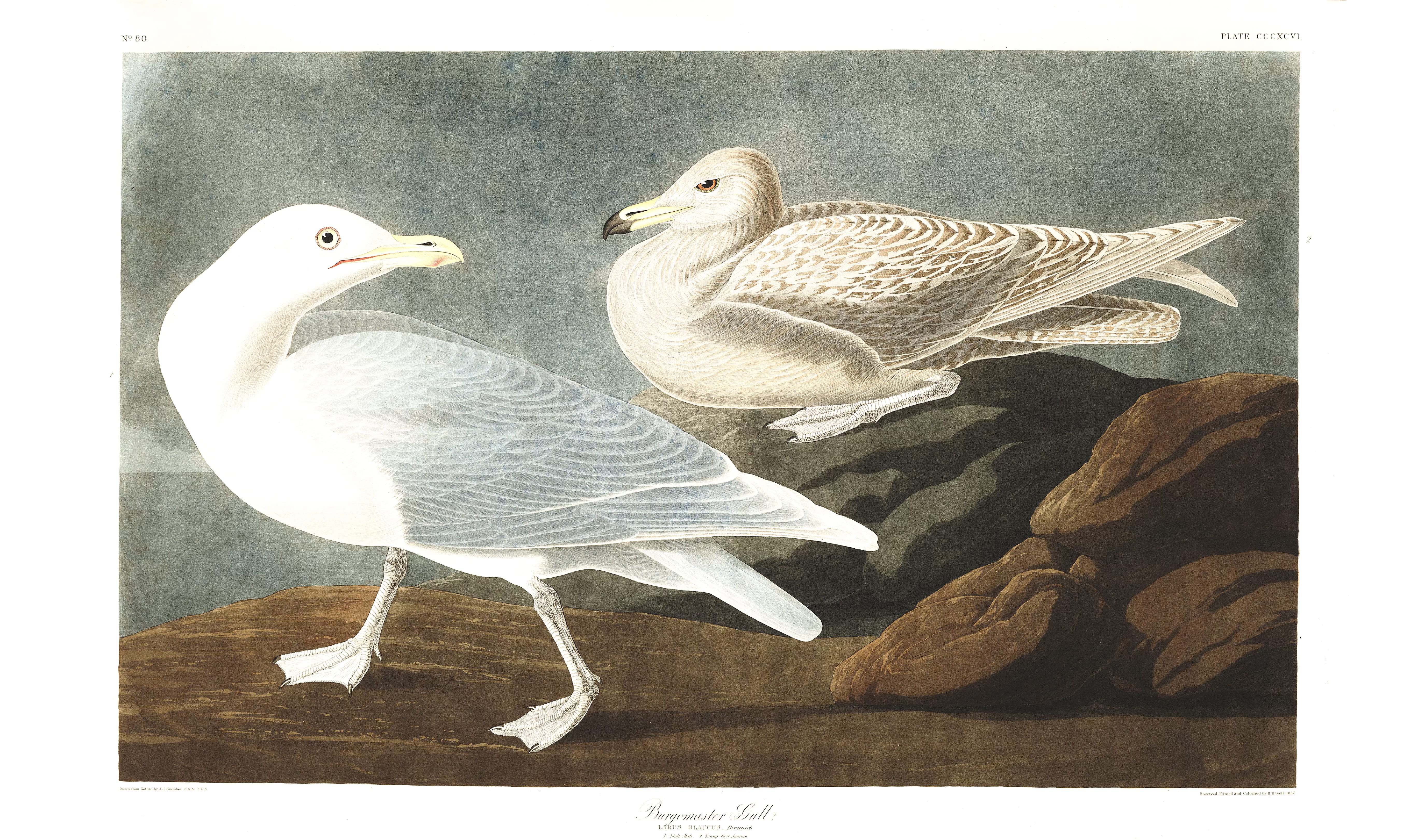
But, the story goes, the Lord would not permit the restoration of his gospel to be upset. And as if on some divine cue, thousands of California gulls arrived. One diarist wrote: “Their coming was like a great cloud; and when they passed between us and the sun, a shadow covered the field. I could see gulls settling for more than a mile around us.”
The clouds of birds must have shocked the already fragile bunch. But any fear the Saints harbored quickly dissipated as they watched the gulls begin a full-on offensive against the crickets. The gulls would land in the fields and gorge on the insects, snapping up beakfuls at a time and swallowing them whole. And when the gulls were full, they would flap over to the nearest ditch and wash their insect meal down with water. After a brief rest, the gulls would regurgitate cricket pellets and start the process all over again. More greedy feeding. More water. More pellets spat out in the field. And repeat. The birds brought hope that the plague would pass, and eventually it did.
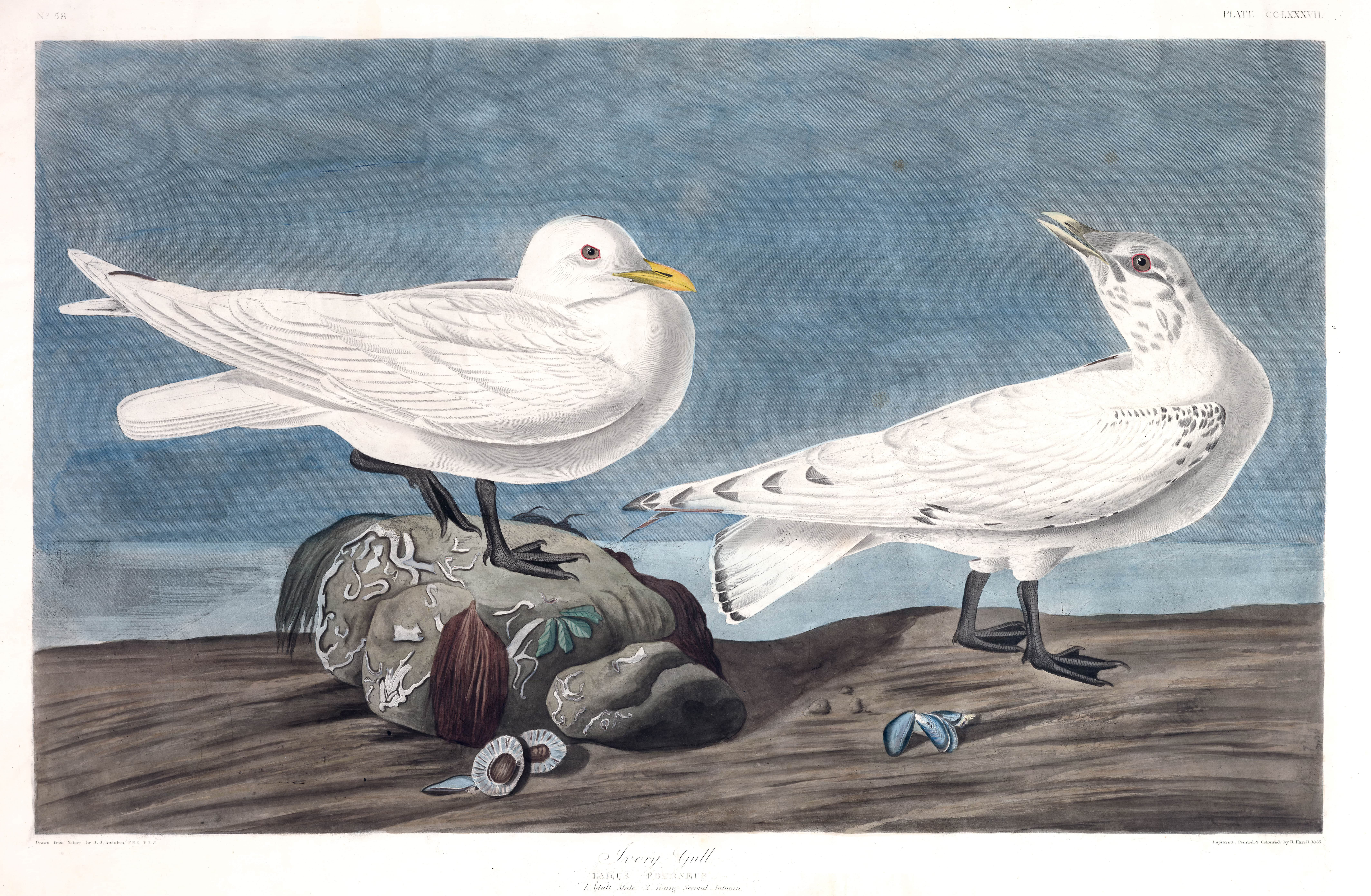
This story has been passed down in Utah and among the broader Mormon community for generations. We’ve raised a monument to it, and we’ve repeated the story during family home evenings, in Sunday School classes, and over the pulpit. And the facts, which more or less make it into these recitations, underline one clear point: The gulls were a miracle from God.

In the early months of 2019, I stood, in the style of Orson Pratt, on the precipice of the rest of my life. Just months before this inflection point, I had begun my first year of law school, I had proposed to my girlfriend, and I had bought into the idea of a career path that a smooth-talking upperclassman had pitched me on. At this point, I had already matriculated into law school, and I had known for some time that I would marry my then-fiancée, so it was the final career piece that felt like cresting the hill of change.
Just after receiving my rather middling grades for the first semester, the upperclassman explained how he was able to land a job at a top law firm despite grades that were comparable to mine. It all started with his first summer of law school. During that summer, he signed up for an underutilized program that was available at BYU’s law school. The school called it “International by Request.” The program was sponsored and run by one of the Church’s associate general counsels. This particular Church employee cared deeply about mentoring, and so he used the Church’s connections to law firms across the globe to get BYU students unpaid internships in law firms outside of the United States.
Not many students had taken advantage of this program because it required the student to pay their way to another country where the student would spend their summer providing free labor to a foreign law firm. There was no guarantee as to what type of work the student would do or even which country a student would find themselves assigned to. But the upperclassman had run the numbers. He realized that because the Church tends to hire well-respected firms, students had a decent chance of being placed in a foreign satellite office of one of several elite US-based law firms. He also figured out how to craft an application that increased his likelihood of being placed in such a firm, and that’s just what he did. He was ultimately placed in the Barcelona satellite office of a US firm that he turned into a stateside return offer. The program, he explained, was like a career hack. Someone with middling grades, like I had, could still land in an elite law firm with a sickeningly high starting salary.
The catch to this program, beyond the lack of pay and the uncertainty of where you might be assigned, was that you had to guarantee that you would accept whatever offer you were matched with. The program operated on goodwill, and BYU made its students sign an agreement that they wouldn’t embarrass the general counsel by reneging if a better offer came along later. This catch was offset by the guarantee that you would be placed somewhere. You could rest assured that your resume for your first summer of law school wouldn’t be left blank. With the guarantee of a job and based on the upperclassman’s advice, I rolled the dice and applied. I was on the precipice of the rest of my life. I looked down at the valley below me—a wedding with the woman I loved, a path forward to financially care for the family I was building, and a foreign adventure that would help me get there. I wanted to shout for joy at the grand and lovely scenery that was within my view.

I was raised in the Church, and I grew up with a cosmology that bounces from one miracle to the next. First, God said let there be light, and he spent the next several millennia demonstrating his power to the people of Earth. Man is created and cast out of paradise. Noah is commanded to build an ark just before the whole world is flooded. With Moses, the sticks turn to snakes and the waters part. Elijah promises a widow that her barrel of meal and cruse of oil will be replenished. Elisha summons she-bears to attack the children that persecuted him.
Skip forward, and God sends his Only Begotten Son to the world. Christ saves a wedding by turning water to wine. He feeds the masses with just a few loaves of bread and fishes. He heals the sick and raises Lazarus. Christ himself rises from the dead. Peter then takes up the healer’s mantle. Saul’s vision is restored. Not to mention all the Book of Mormon miracles that occur a world away on this same timeline.
We Mormons tend to skip forward to Palmyra in the early 1820s when young Joseph Smith saw God and Christ in the flesh. He translated golden plates from an ancient language into English. Angels restored first the Aaronic and then the Melchizedek Priesthoods. Joseph Smith is killed and succeeded by Brigham Young, who proves his rightful succession by speaking in the voice of Joseph. Brigham leads the Saints across the plains, and the Saints are saved by a flock of gulls. All of this was foundational in allowing Christ’s restored gospel to spread across the globe. Every step, a miracle.
As faith-promoting as these stories of miracles can be, they also beg some complicated questions for a twenty-first-century church. Church leadership teaches that miracles still occur, and many believers would testify that they have experienced one. But the types of miracles that are discussed today are of a different kind than those recorded in scripture. They are stories of triumph over disease, mental clarity in an increasingly chaotic world, and gifts of kindness arriving just when they’re needed the most. These modern-day miracles can fulfill a similar faith-promoting role as those recorded in scripture, but they diverge from the scriptural miracles in that they carry with them an implicit plausible deniability.
Consider, for a moment, Moses. If we could verify his parting of the Red Sea, such an action would still be totally unexplainable by any modern theories of the universe. It would show a break in our knowledge and would point to the divine. Compare that to a Saint’s miraculous recovery from lung cancer. When the Saint is diagnosed, they’re told that if they work together with their medical team, they should have about a 20 percent chance of survival. If that person is later declared cancer-free, it may feel like a miracle to that person, and it may be. But an outsider, or even a questioning survivor, might attribute that survival to medicine, the biological function of a human body, or even just dumb luck. It was, after all, a one-in-five chance to begin with.
None of this is to say which view is right. I often find myself swinging back and forth between skepticism in this age of science and recognizing God’s hand in all things. But this tension deserves some consideration. For many, the lack of grand scriptural miracles in the modern day is itself proof that those old stories are nothing more than myth. If those miracles are just myths, what language—what reason—is there for the synchronicities that we experience today? That line of thinking, when taken to its logical conclusion, leaves us stranded in a world of chaos, without any hope that the divine might intercede on our behalf.

When the gulls arrived in 1848, they did not bring the Saints total relief. Even after the gulls arrived, the crickets were still innumerable and continued their sustained campaign against the farmers. Thus, despite the arrival of the gulls, the 1848 harvest was relatively poor. The Saints survived, but contrary to their expectations, they spent another year hungry.
The failure of the gulls to “save” the crops, coupled with a modern understanding of local ecology, calls into question the miraculous nature of the birds’ arrival. While the appearance of ocean birds to a landlocked place like Utah was strange to those early settlers, the gulls were not new to the area. Written accounts of gulls—and of crickets—in the Great Basin predate the Mormon arrival in the area by several years. It’s not as if either species arrived to the area for the sole purpose of afflicting or saving the Saints. Moreover, flocks of gulls have followed swarms of crickets into several Western US communities since that 1848 incident. Similar events have occurred in North Dakota, Montana, Colorado, and Oregon. Where the crickets go, so do the gulls.

Additionally, the strange behavior of the gulls, the cycle of eating and regurgitating and eating again, has a biological explanation. Gulls can’t digest the hard exoskeleton of the crickets and will habitually regurgitate the indigestible portions. This makes room for more calories and nutrients. So, the gulls were presumably sating their hunger rather than purposely bingeing and purging for the benefit of the pioneers.
Finally, a proper historical understanding of the appearance of the gulls in 1848 must recognize that some contemporary records credit the work of humans to push back the crickets as a coequal reason for the Saints’ ability to salvage some of their harvest. Brigham Young himself acknowledged this when he wrote that “the crickets are still quite numerous and busy eating, but between the gulls and our own efforts and the growth of our crops we shall raise much grain in spite of them.”
In other words, there are logical explanations for each of the main points of the story of the gulls—the birds’ appearance, their behavior, and the Saints’ survival. Nothing in the story is unexplainable. It all could have happened at any point in the history of the Great Basin.
But it didn’t happen at any point in history. There is still the coincidence of it occurring during that first year of Mormon settlement. As natural as the gulls may have been, their arrival cannot be fully separated from the human context that they unwittingly landed in. The Saints had taken their faith to the edge of the empire and had abandoned known civilization under the leadership of a man whose succession was far from certain. The crickets arrived and tested their faith in Brother Brigham, and the gulls affirmed that the Saints’ faith was well placed. As a result, none of them fled the fledgling settlement for California. Those extra hands helped to build a community in the high desert; they helped erect the Salt Lake City temple; they laid the foundation for much of Utah history. The crickets were the first major test of faith in the valley, the gulls the answer. A miracle for those who needed it.

The closing months of my second semester were stressful. Time kept passing, and I still hadn’t received my summer placement. I didn’t know which country I would be sent to, nor how expensive it might be to get last-minute tickets and accommodation. This stress compounded with the mini skirmishes that can accompany wedding planning when operating on a shoestring budget. But my faith remained steadfast that a bright future sat just on the other side of finals. I’d done everything I was supposed to do. I’d courted a lovely young lady and then asked her to be my wife. I’d taken my education seriously. And I’d followed the advice of someone whose career path I wanted to emulate. I believed that all things would work together for my good.
But spring came, and the tapestry of the future that I’d spent months weaving in my mind began to unravel. First, an email came letting me know that the Church’s associate general counsel was unable to place me with any foreign law firms. The so-called guaranteed placement had fallen through, and I was left with just a couple of weeks to scramble to find a summer job. The career services office was of limited help, as most jobs had been filled while I was honoring my commitment not to apply for any other roles. I felt like I was on my own to salvage my career before it had even begun.
Worse yet, the arguments over wedding planning escalated in the days leading up to the event. The reasons are nuanced and not the subject of this essay, but these arguments isolated me within my own relationship. This isolation ate through my last days as a bachelor, and with just hours remaining until I was set to make an eternal commitment to another, I was fighting off the pallid tendrils of doubt.
On the day of my sealing, I arrived at the temple early and filled with hope despite the setback of the preceding days. But in coming face-to-face with my soon-to-be spouse, I felt that what divided us was still unrepaired. We moved forward with the ceremony, but not even the sealing power of God could bridge the cavern that lay between us.
I hovered through the rest of my wedding day like a ghost unable to give or receive warmth as I wandered through rooms full of loved ones. I tried to play my part, but really I felt detached and sick. At the reception that night, I sat down to our catered dinner. As soon as I put it down, I excused myself to the bathroom where I threw it back up.
The distance between us remained even as we packed our bags for our honeymoon. It felt like going through the motions. We’d booked the trip; therefore, we must go. When we did reach our destination, the trip quickly devolved into us spending time apart. Only threads of a shared pain and talk of divorce kept us loosely stitched together. I wasn’t sleeping, and I wasn’t eating. The vision of my future was threadbare, empty, gray.
When the honeymoon was over, my wife and I spent the following weeks separating, trying to reconcile, and separating again. Our relationship never really improved, but I did find a job with a federal judge on the Ninth Circuit Court of Appeals. He was chambered in Pocatello, Idaho, just an hour from the town where my family lived. My wife did not join me there. Instead, she stayed with her family in California. I drove down to see her. I called her every night. I started therapy, and I invited her to join me in couples counseling. I wanted so badly for this to work. But three months and one day from our wedding, we filed for divorce. This was the existential threat of the summer. Could I keep moving through life without the woman with whom I had made an eternal commitment?
Like the arrival of the crickets and the gulls that kept the Saints from fleeing to San Francisco, the associate general counsel’s inability to place me in a foreign law office bound me geographically to the place where I needed to be. I had planned on spending my first summer of law school in another country with my new wife. Instead, I found myself spending that summer walking from a bare basement apartment on the outskirts of Idaho State University to a quiet courthouse next to a freeway. The work was interesting and challenging, but I had never given even a thought during the previous year to working in Idaho. It was never part of my plan.
And yet, when the reality of my divorce set in, when I started spending nights hunched over a toilet bowl, when I found myself in the ER at 4:00 a.m. due to some unknown pain that I struggled to describe, my family was always nearby. In the midst of my anguish, there was relief that I wouldn’t have experienced had my summer plans panned out. Looking back, I don’t think I would have survived the summer if I had been living in an unfamiliar country with no support network. In that way, being the first and only person in the history of BYU’s guaranteed placement program to not receive a placement felt like a miracle.
Like the story of the gulls, there are several reasonable explanations for how I ended up in Pocatello that summer. First, and perhaps most important, is that the upperclassman who pitched me on the international match program had been evangelizing it throughout the law school. As a result, a record number of students signed up for the program that year, and the sheer volume of students overwhelmed the system. I also suspect that students were being placed in order of our last names because the last person to be placed was a friend whose surname started with an “Sc,” just before mine alphabetically. I was just the unlucky end of the list.
There’s also an explanation for why a federal judge still had room for me in his chambers so close to the summer and so late in the application cycle. The judge was a BYU graduate, and every year he held open a spot for a BYU Law student. This opening was supposed to be advertised by BYU’s career services office, but that year the office had undergone some major personnel changes. With those changes, my class was never made aware of the judge’s long-standing offer. When I finally reached out to the judge’s chambers, I was immediately offered the spot that was supposed to have been filled several months earlier.
“Memory fixates on times of intense passage, but also mythologizes them.” That’s why it’s important to step back and look at the situation objectively. In doing so, I’m left with an explanation for every crack that I fell through, for every misstep that caused me to stumble into a courthouse just down the road from my family. There was nothing fundamentally magic about how I ended up where I did that summer. In that way, maybe this was all bound to happen to someone at some point. But it didn’t just happen to someone. It happened to me. It happened right as I was on the cusp of deciding, at least in broad strokes, what the rest of my life would look like. It happened just ahead of the lowest point of my life. Being on the receiving end of so many unlikely though explainable coincidences makes me feel strangely connected to those pioneers who looked into the face of uncertainty and remained resolute. Like them, there was a miracle when I needed it. A miracle, it seems.
Dominic Shaw is an attorney living in Virginia with his wife and their two cats. His writing has previously been published in Inscape Journal and Brigham Young University Law Review.

Art by John James Audubon (1785–1851).
Pratt described the area as “grand and lovely,” filled with “grass, rushes, etc. . . . 10 feet high but no more.” William Hartley, “Mormons, Crickets, and Gulls: A New Look at an Old Story,” Utah Historical Quarterly 38, no. 3 (1970): 224–39.
Other scouts noted soil of “most excellent quality” and “very luxuriant” greenery along the many streams that mapped the flow of water to the central lake. James B. Allen and Glen M. Leonard, The Story of the Latter-day Saints, 2nd ed. (Deseret Book Company, 1976), 257.
And of course Brigham Young provided the ultimate approval of the valley. He wrote the following of his first impression of the valley: “The spirit of light rested on us and hovered over the valley, and I felt that there the Saints would find protection and safety.” Leonard J. Arrington and Davis Bitton, The Mormon Experience: A History of the Latter-day Saints (Alfred A. Knopf, 1979), 101.
One Saint described a typical experience of the time, writing, “I would dig until I grew weak and faint and sit down and eat a root, and then begin again. I continued this until the roots began to fail.” Arrington and Bitton, Mormon Experience, 104.
